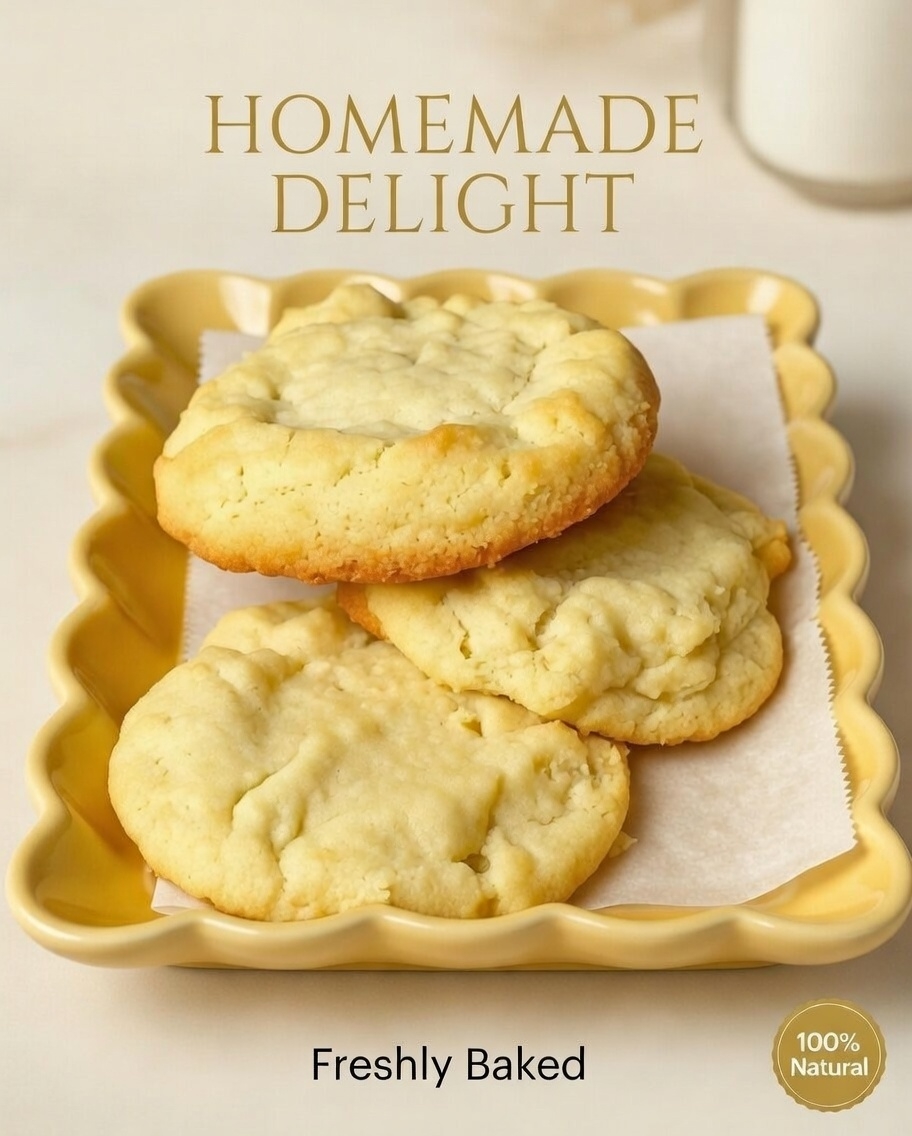
There’s something deeply nostalgic about the soft, golden butter cookies once served in Chicago Public School cafeterias. They weren’t fancy. They weren’t trendy. But they were dependable, rich, and comforting—exactly what a hungry student wanted after a long morning of classes. Today, those same flavors can live on in your own kitchen, where you control the ingredients, texture, and portion size.
These cookies are proof that simplicity can still feel luxurious. With just butter, sugar, flour, vanilla, and salt, you can recreate a dessert that balances sweetness and richness while keeping preparation easy and affordable. Whether you’re baking for kids, meal prepping snacks, or indulging in your own memories, this recipe is a perfect place to start.
🧈 Why Butter Cookies Still Matter Today
Butter cookies stand out because they don’t rely on heavy spices or chocolate chips to shine. Their flavor comes almost entirely from butter quality and proper mixing technique. Culinary Instructor James Holloway explains, “Butter cookies are a lesson in balance. Too much sugar and they crumble. Too little butter and they lose their character. This recipe works because it respects those proportions.”
For home cooks, butter cookies offer three big advantages:
- Low ingredient cost
- Short prep time
- High satisfaction per batch
They’re also flexible: you can shape them with a fork, pipe them through a pastry bag, or roll them into logs for slice-and-bake convenience.
🍪 Ingredients Breakdown & Quality Choices
Chef Maria Lawson emphasizes ingredient quality: “When you’re working with only five ingredients, each one matters more.” Let’s look at them closely:
🧈 Unsalted Butter
Unsalted butter allows you to control salt levels. Choose a butter with at least 80% fat for best texture. Premium butters yield richer flavor, while budget butter still works well for daily baking.
🍚 Sugar
Granulated sugar keeps the crumb tender and the structure light. Powdered sugar can be substituted for a softer texture.
🌾 All-Purpose Flour
This provides structure. Avoid overmixing to keep the cookies tender.
🌼 Vanilla Extract
Pure vanilla adds warmth. Imitation works if budget is tight.
🧂 Salt
A pinch balances sweetness and enhances butter flavor.
🥣 Kitchen Tools That Make a Difference
- Mixing bowl (glass or stainless steel)
- Electric hand mixer or sturdy whisk
- Baking sheet
- Parchment paper
- Cooling rack
- Optional: piping bag for classic shapes
According to James Holloway, “You don’t need a stand mixer. The goal is aeration, not overworking the dough.”
🔥 Preparation Method (Step-by-Step Philosophy)
Rather than just following steps blindly, understand what each stage does:
- Creaming butter and sugar introduces air
- Flour adds structure
- Baking sets fat and starch together
This method gives you a cookie that’s crisp on the edges and tender in the center.
📊 Nutrition & Ingredient Table
| Ingredient | Amount | Calories (approx) | Functional Benefit |
|---|---|---|---|
| Unsalted Butter | 1 cup (227g) | 1620 | Flavor, satiety |
| Sugar | 1 cup (200g) | 774 | Energy source |
| All-Purpose Flour | 2 cups (240g) | 880 | Structure, fullness |
| Vanilla Extract | 1 tsp | 12 | Aroma, taste balance |
| Salt | Pinch | 0 | Flavor balance |
🥧 Homemade vs Store-Bought Butter Cookies
Homemade: fresher taste, customizable sugar, no preservatives.
Store-bought: convenient, consistent shape, longer shelf life.
Nutritionist Sarah Coleman notes, “Homemade cookies allow portion control and ingredient transparency, which helps families manage sugar intake responsibly.”
❄️ Fresh vs Frozen Dough
- Fresh dough: better aroma, softer crumb
- Frozen dough: time-saving, bake-on-demand
💸 Budget vs Premium Ingredients
Budget butter works, but premium butter adds depth. Vanilla is where you’ll notice quality most.
🔥 Oven vs Air Fryer vs Stovetop
- Oven: best texture
- Air fryer: faster, smaller batches
- Stovetop: not recommended
⚠️ Common Mistakes to Avoid
- Overbaking (leads to dryness)
- Substituting margarine (texture loss)
- Skipping cooling time
- Storing warm cookies
🛡️ Health & Food Safety Tips
- Store in airtight container
- Avoid cross-contact if allergies exist
- Limit portions to 1–2 cookies per serving
- Refrigerate dough up to 3 days
🔗 Related Recipes
You may also enjoy browsing similar baked treats and comfort desserts at https://gentplu.com, where variations on classic cookies and pastries are shared in a home-cooking style.
❓ FAQs
1. Are these cookies expensive to make?
No, they are among the most affordable homemade cookies.
2. Can I use margarine?
It changes texture and flavor significantly.
3. How long do they last?
Up to 5 days in airtight container.
4. Can I freeze the dough?
Yes, for up to 2 months.
5. What equipment is best?
Hand mixer or whisk works fine.
6. Can I reduce sugar?
Yes, but texture may change slightly.
7. Are these safe for kids?
Yes, with portion control.
8. Can I add flavors?
Lemon zest or almond extract works well.
9. Can I make them gluten-free?
Use a 1:1 gluten-free flour blend.
10. Are they good for gifting?
Yes, especially in tins.
🏁 Conclusion
Chicago Public School butter cookies are more than just a recipe—they’re a reminder that comfort food doesn’t need to be complicated. With a few pantry staples and thoughtful preparation, you can bake something timeless, affordable, and deeply satisfying. Whether you enjoy them fresh from the oven or stored for the week ahead, these cookies bring warmth to any kitchen.
As Chef Maria Lawson puts it: “The best recipes are the ones that stay with you.” And these butter cookies are exactly that—simple, rich, and unforgettable.