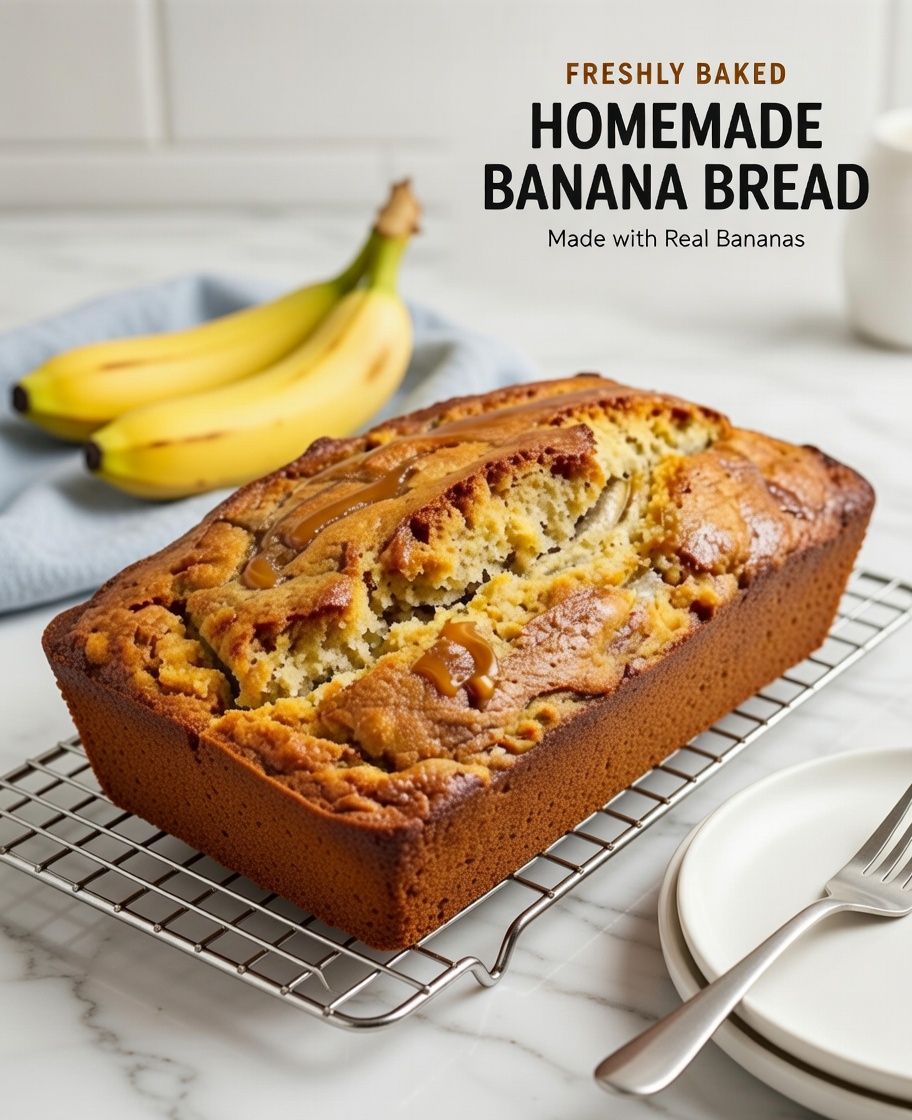
Introduction: When Classic Banana Bread Meets Tropical Flavor
Few homemade baked goods are as comforting as banana bread. Its warm aroma, soft crumb, and naturally sweet flavor make it a favorite in kitchens across the United States. But when you add tropical ingredients like pineapple and coconut, a simple banana bread transforms into something extraordinary. Hawaiian Banana Bread brings together the comforting familiarity of classic banana bread with the vibrant taste of island-inspired ingredients.
Imagine slicing into a loaf that’s perfectly moist, filled with mashed bananas, juicy pineapple, and lightly toasted coconut. Every bite feels rich yet balanced, with just enough sweetness to make it satisfying without being overly heavy. This recipe is especially popular among home bakers who want a dessert that feels special but still easy enough for a weekday bake.
Unlike many quick breads that rely heavily on sugar or fats, Hawaiian Banana Bread gets much of its moisture and flavor from natural fruit ingredients. According to culinary instructor James Holloway, “Adding pineapple to banana bread changes both texture and flavor. It introduces moisture, natural sweetness, and a subtle acidity that balances the richness of butter and eggs.”
Whether you’re baking for breakfast, a snack, or a weekend brunch, this tropical banana bread is a recipe worth mastering.
What Makes Hawaiian Banana Bread Unique?
Traditional banana bread relies primarily on ripe bananas for sweetness and moisture. Hawaiian Banana Bread expands on that concept by incorporating pineapple, coconut, and optional macadamia nuts. These ingredients are commonly associated with Hawaiian cuisine and create a more complex flavor profile.
Key Flavor Elements
Each ingredient contributes something different to the final loaf:
- Bananas provide sweetness and softness.
- Crushed pineapple adds moisture and brightness.
- Shredded coconut creates subtle texture and nutty flavor.
- Macadamia nuts offer crunch and buttery richness.
Chef Maria Lawson, a pastry chef specializing in fruit-based desserts, explains that tropical ingredients also influence baking structure. “Pineapple contains natural sugars and acids that help keep quick breads moist. It’s important to drain it properly, though, so the batter doesn’t become too wet.”
Ingredients Overview and Why They Matter
Understanding the role of each ingredient can help you bake a better loaf every time. Hawaiian Banana Bread may seem simple, but ingredient quality makes a noticeable difference in both flavor and texture.
Bananas
Ripe bananas are essential for flavor. Bananas with brown spots contain more natural sugars and are easier to mash into a smooth consistency.
Crushed Pineapple
Pineapple contributes both moisture and acidity. Draining the pineapple removes excess liquid while preserving flavor.
Butter
Unsalted butter creates richness and enhances flavor without making the bread overly greasy.
Flour and Baking Soda
All-purpose flour provides structure while baking soda reacts with acidic ingredients like pineapple to create a light, tender crumb.
Coconut
Shredded coconut adds texture and mild sweetness that complements the fruit flavors.
Macadamia Nuts (Optional)
Macadamia nuts are often associated with Hawaiian desserts. Their buttery texture pairs beautifully with the tropical ingredients.
Ingredient Measurements and Nutritional Overview
| Ingredient | Measurement | Approximate Serving Contribution | Nutritional Value (per serving) | Functional Benefit |
|---|---|---|---|---|
| Ripe Bananas | 2 medium | About 1 cup mashed | 90 calories | Natural sweetness and moisture |
| Crushed Pineapple | 1 cup drained | 120 grams | 40 calories | Moisture and bright flavor balance |
| Unsalted Butter | 1/2 cup melted | 113 grams | 100 calories | Rich texture and flavor |
| Sugar | 1 cup | 200 grams | 48 calories | Sweetness and browning |
| All-Purpose Flour | 1 3/4 cups | 220 grams | 110 calories | Structure and crumb formation |
| Shredded Coconut | 1 cup | 80 grams | 70 calories | Texture and mild sweetness |
| Macadamia Nuts | 1/2 cup | 60 grams | 100 calories | Crunch and rich flavor |
Kitchen Tools That Improve Baking Results
Although banana bread can be made with minimal equipment, a few kitchen tools help ensure consistent results.
Essential Tools
- Mixing bowls
- Whisk or electric hand mixer
- Loaf pan (9×5 inch)
- Rubber spatula
- Cooling rack
Professional bakers often recommend using a metal loaf pan rather than glass because it distributes heat more evenly during baking.
Step-by-Step Preparation Method
Step 1: Prepare Ingredients
Preheat your oven to 350°F and grease a standard loaf pan. Mash ripe bananas in a bowl until smooth.
Step 2: Mix Wet Ingredients
Combine melted butter and sugar, then add eggs and vanilla extract. Whisk until smooth and creamy.
Step 3: Add Fruit
Fold in the mashed bananas and drained crushed pineapple. The mixture should appear thick but slightly glossy.
Step 4: Combine Dry Ingredients
In another bowl, whisk flour, baking soda, and salt. Slowly fold the dry mixture into the wet mixture.
Step 5: Add Coconut and Nuts
Stir in shredded coconut and macadamia nuts if using.
Step 6: Bake
Pour batter into the prepared loaf pan and bake for 55–65 minutes or until a toothpick inserted into the center comes out clean.
Homemade vs Store-Bought Banana Bread
Homemade Advantages
- Control over sugar and ingredient quality
- Fresh tropical flavors
- Customizable texture and add-ins
Store-Bought Considerations
- Convenient but often sweeter
- May contain preservatives
- Usually lacks fresh fruit flavor
Nutritionist Sarah Coleman notes that homemade quick breads allow better portion control and ingredient awareness compared to commercially prepared versions.
Health and Food Safety Tips
- Always store banana bread in an airtight container.
- Consume within 3–4 days at room temperature.
- Refrigerate if your kitchen is warm or humid.
- Freeze slices for up to 3 months.
- Check nut allergies before adding macadamia nuts.
Common Mistakes When Baking Banana Bread
Using Underripe Bananas
Underripe bananas lack sweetness and moisture.
Skipping the Pineapple Draining Step
Too much liquid can cause dense or gummy bread.
Overmixing the Batter
This develops gluten and makes the bread tough.
Overbaking
Quick breads continue cooking after removal from the oven.
10 Frequently Asked Questions
1. Can I use frozen bananas?
Yes, thaw them completely and drain excess liquid before mashing.
2. Is canned pineapple necessary?
Fresh pineapple can be used but should be finely crushed.
3. How much does it cost to make?
The average ingredient cost for a loaf ranges from $6 to $10 depending on nut choices.
4. Can I make this recipe dairy-free?
You can substitute butter with coconut oil.
5. Can I reduce the sugar?
Yes, slightly reducing sugar often works well because bananas provide natural sweetness.
6. What pan size works best?
A standard 9×5 inch loaf pan provides the best baking consistency.
7. Can I make muffins instead?
Yes, bake in muffin tins for 18–22 minutes.
8. How should leftovers be stored?
Wrap tightly in plastic wrap or store in airtight containers.
9. Can this bread be frozen?
Yes, slice first and freeze individually for easy reheating.
10. Where can I find similar recipes?
Many home bakers explore related tropical desserts and fruit breads on cooking websites such as
https://gentplu.com where similar homemade baking recipes are often shared.
Conclusion: A Banana Bread Worth Baking Again and Again
Hawaiian Banana Bread is a perfect example of how small ingredient changes can transform a classic recipe. By combining bananas with pineapple, coconut, and optional macadamia nuts, this loaf becomes more flavorful, moist, and memorable than traditional banana bread.
It’s easy enough for beginner bakers but still interesting for experienced cooks who enjoy experimenting with flavor combinations. Whether served warm with coffee, sliced for breakfast, or packed as a snack, this tropical-inspired quick bread brings sunshine to the table.
Once you bake it, there’s a good chance it will become a regular recipe in your kitchen rotation.