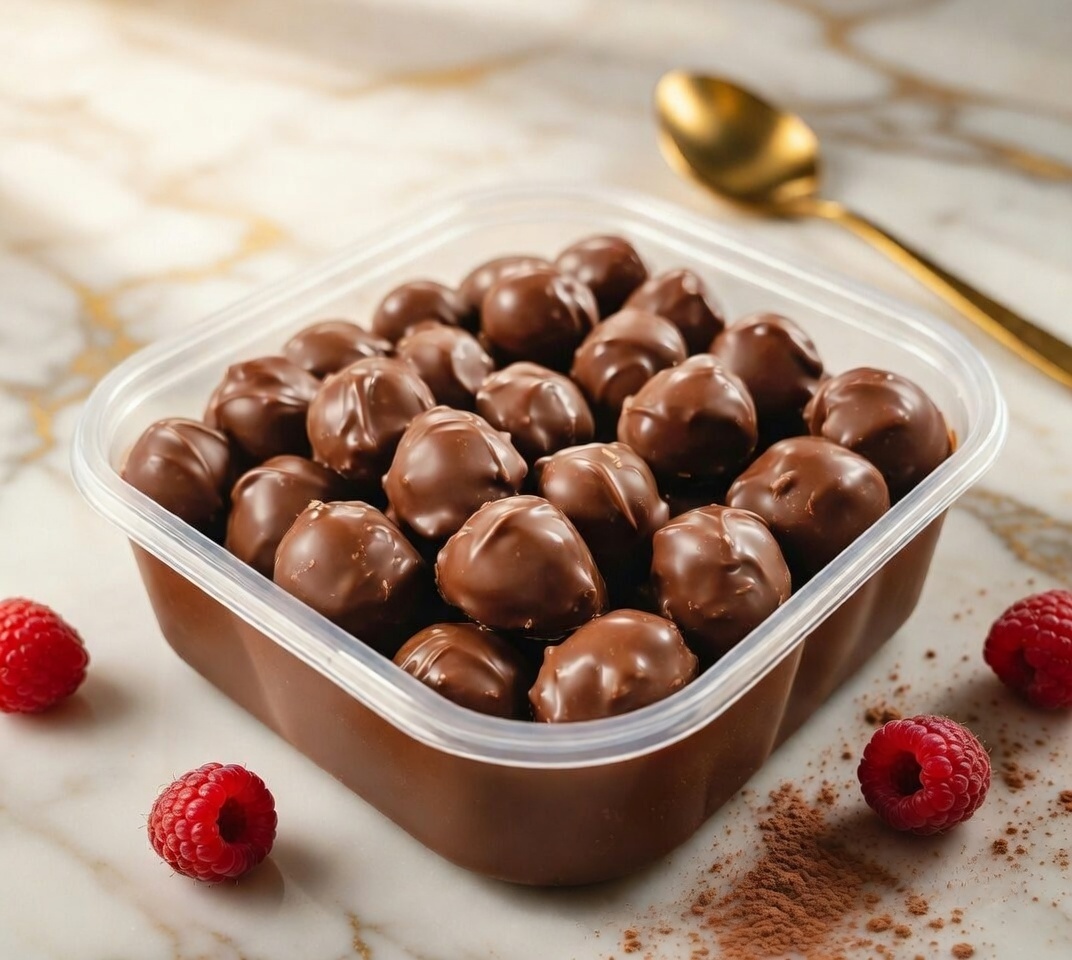
Why No-Bake Peanut Butter Balls Are So Popular
Few desserts capture the comforting flavor of peanut butter quite like classic peanut butter balls. These small, rich, chocolate-coated treats combine creamy peanut butter, butter, vanilla, and sweetness into bite-sized indulgence — without turning on the oven. 🍫🥜
For busy home cooks and dessert lovers alike, no-bake recipes solve a common problem: craving something sweet but not wanting to deal with complicated baking steps, hot kitchens, or long preparation times.
Peanut butter balls are especially popular during holidays, family gatherings, and potlucks because they:
- Require minimal ingredients
- Use simple kitchen tools
- Store well in the refrigerator or freezer
- Can be customized with different coatings and toppings
According to Chef Maria Lawson, a pastry chef known for simplifying classic desserts, “No-bake peanut butter balls are one of the best entry-level desserts for home cooks. They deliver rich flavor with almost no technical difficulty.”
In this detailed guide, you’ll learn how to prepare perfect peanut butter balls at home, choose the best ingredients, avoid common mistakes, and even compare homemade versions with store-bought alternatives.
The Core Ingredients Behind Perfect Peanut Butter Balls
Peanut Butter: Choosing the Right Type
The star of this dessert is, of course, peanut butter. But not all peanut butter performs the same way in no-bake recipes.
For best results, creamy peanut butter works better than natural peanut butter because it contains stabilizers that help maintain texture.
Chef Maria Lawson recommends choosing:
- Classic creamy peanut butter for smoother texture
- Natural peanut butter only if well stirred
- Unsweetened varieties for better flavor control
Butter: Why It Matters
Butter adds richness and structure to peanut butter balls. When softened properly, it blends smoothly with peanut butter and helps the mixture hold its shape.
Unsalted butter is preferred because it allows better control over the final flavor balance.
Vanilla Extract for Flavor Balance
Although used in small amounts, vanilla extract plays an important role. It softens the intensity of peanut butter and creates a more rounded dessert flavor.
Culinary Instructor James Holloway explains that vanilla works as a “flavor amplifier,” enhancing sweetness and richness simultaneously.
Complete Peanut Butter Ball Recipe (No Baking Required)
Ingredients
- 1½ cups creamy peanut butter
- ½ cup unsalted butter, softened
- 1 teaspoon vanilla extract
- 2 cups powdered sugar
- 2 cups semi-sweet chocolate chips
- 1 tablespoon coconut oil (optional for smoother chocolate coating)
Kitchen Tools You’ll Need
- Mixing bowl
- Hand mixer or sturdy spoon
- Baking sheet
- Parchment paper
- Microwave-safe bowl
- Fork or dipping tool
Step-by-Step Preparation
Step 1: Prepare the Peanut Butter Mixture
In a large mixing bowl, combine the peanut butter and softened butter. Mix until smooth and creamy.
Add the vanilla extract and gradually incorporate powdered sugar until the mixture becomes thick and moldable.
Step 2: Form the Peanut Butter Balls
Roll the mixture into small balls, about one inch in diameter. Place them on a parchment-lined baking sheet.
Refrigerate for about 30 minutes to help them firm up.
Step 3: Melt the Chocolate
Melt chocolate chips in a microwave-safe bowl in 20-second intervals, stirring between each interval. Add coconut oil if you want a smoother dipping texture.
Step 4: Coat the Peanut Butter Balls
Using a fork or dipping tool, coat each chilled peanut butter ball in melted chocolate.
Place them back on the parchment-lined sheet and allow the chocolate to set.
Once hardened, your peanut butter balls are ready to serve.
Nutrition and Ingredient Overview
| Ingredient | Measurement | Serving Contribution | Nutritional Role |
|---|---|---|---|
| Peanut Butter | 1½ cups | Primary base | Provides protein, healthy fats, and flavor richness |
| Unsalted Butter | ½ cup | Texture enhancer | Adds creaminess and improves structure |
| Vanilla Extract | 1 teaspoon | Flavor balance | Enhances sweetness perception |
| Powdered Sugar | 2 cups | Sweetening agent | Creates smooth texture and sweetness |
| Chocolate Chips | 2 cups | Outer coating | Adds sweetness, richness, and satisfying texture |
| Approximate Serving Size | 1 ball (~30g) | Energy snack | Provides quick energy and dessert satisfaction |
Homemade vs Store-Bought Peanut Butter Balls
Advantages of Homemade Versions
- Control over ingredients
- No artificial preservatives
- Customizable sweetness
- More economical for large batches
Advantages of Store-Bought Options
- Convenience
- Longer shelf life
- Uniform size and coating
However, many home cooks find that homemade peanut butter balls taste fresher and allow for creative variations.
Health-Conscious Tips for Enjoying Peanut Butter Desserts
Nutritionist Sarah Coleman recommends enjoying peanut butter desserts in moderation due to their richness.
Helpful tips include:
- Use natural peanut butter when possible
- Reduce powdered sugar slightly if desired
- Choose dark chocolate for a deeper flavor profile
- Serve smaller portions
These small adjustments can make indulgent treats feel more balanced.
Food Safety and Storage Tips
Proper Storage
- Store peanut butter balls in an airtight container
- Keep refrigerated for up to 1 week
- Freeze for up to 3 months
Handling Chocolate Safely
- Avoid overheating chocolate when melting
- Use dry utensils to prevent chocolate from seizing
Common Mistakes When Making Peanut Butter Balls
Using Peanut Butter That Is Too Runny
Natural peanut butter that hasn’t been stirred well can lead to soft mixtures that don’t hold shape.
Skipping the Chill Step
Refrigerating the peanut butter balls before dipping is essential for easy chocolate coating.
Overheating the Chocolate
Chocolate can become thick and grainy if overheated, making dipping difficult.
10 Frequently Asked Questions
1. Can I make peanut butter balls without chocolate?
Yes. They can be rolled in cocoa powder, powdered sugar, or crushed nuts.
2. How long do they last in the refrigerator?
Typically up to 7 days when stored in an airtight container.
3. Can I freeze peanut butter balls?
Yes, freezing is one of the best storage methods for long-term freshness.
4. What peanut butter works best?
Standard creamy peanut butter provides the most consistent texture.
5. Can I reduce the sugar?
Yes, but reducing too much may affect the structure of the balls.
6. What chocolate is best for coating?
Semi-sweet or dark chocolate melts smoothly and balances sweetness.
7. Can I make them dairy-free?
Yes, substitute butter with plant-based butter alternatives.
8. Do I need special equipment?
No special equipment is required beyond basic kitchen tools.
9. Are these suitable for parties?
Yes, their small size makes them ideal for dessert trays and gatherings.
10. Where can I find other dessert ideas?
You can explore similar recipes and dessert ideas at
https://gentplu.com for additional inspiration.
Final Thoughts: Why This No-Bake Recipe Is Worth Trying
Peanut butter balls prove that great desserts don’t require complicated techniques or long baking times. With only a few simple ingredients and minimal equipment, you can create a rich, satisfying treat that appeals to nearly everyone.
By understanding ingredient quality, preparation methods, and storage techniques, even beginner cooks can produce professional-quality results.
Whether you’re preparing holiday treats, family desserts, or quick snacks, this no-bake peanut butter ball recipe offers the perfect balance of flavor, convenience, and indulgence. 🍫🥜