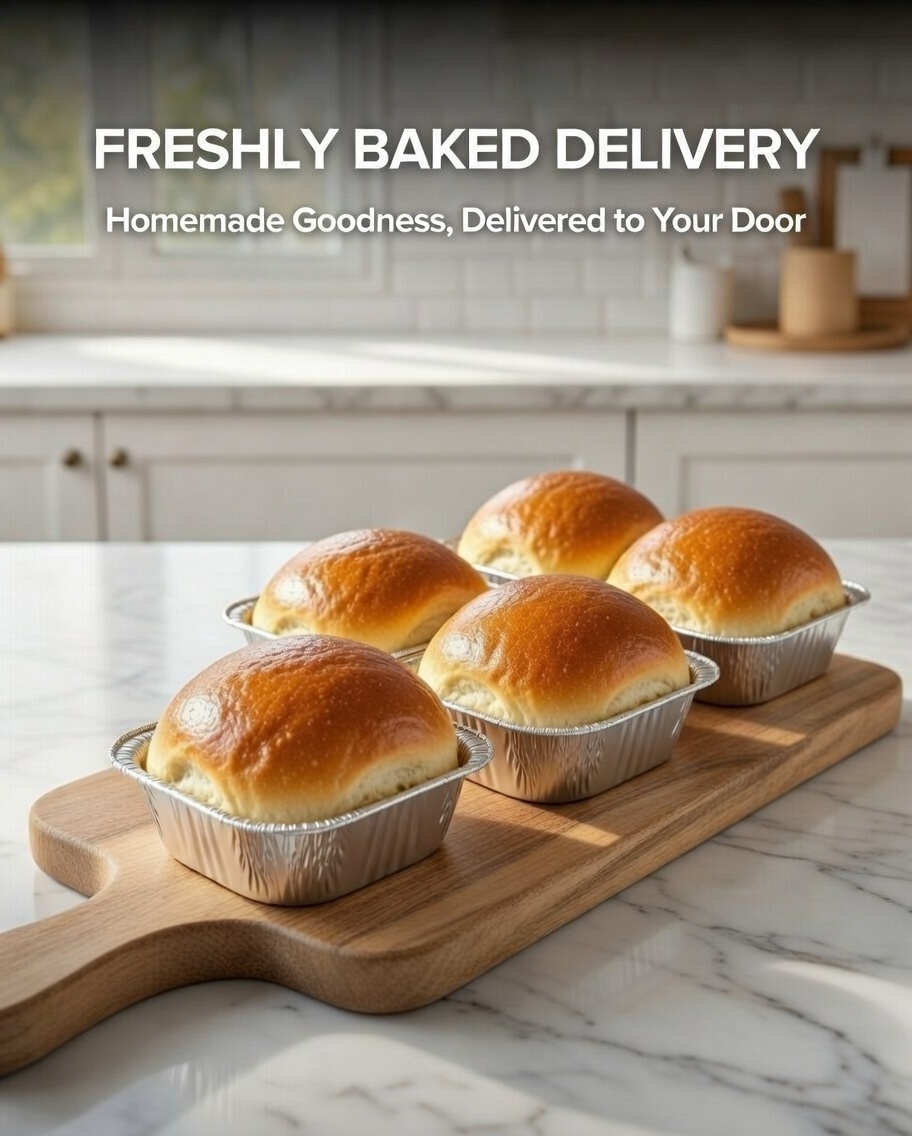
Bread in a Bag: The Easiest Homemade Bread Method for Soft, Fresh, Bakery-Quality Results 🍞
There’s something deeply satisfying about homemade bread—the warm aroma filling your kitchen, the golden crust crackling slightly as it cools, and the soft, fluffy interior ready for butter, sandwiches, or dipping into your favorite soup. But many home cooks avoid baking bread because they think it’s messy, complicated, or requires special equipment.
That’s where Bread in a Bag changes everything.
This simple technique eliminates the need for a stand mixer, minimizes cleanup, and makes bread baking approachable for beginners and experienced cooks alike. Instead of kneading dough on a floured countertop, you mix and knead everything inside a plastic bag. The result? Less mess, less stress, and consistently delicious bread.
According to Chef Maria Lawson, a professional baking instructor with over 15 years of experience, “Bread in a Bag is one of the most effective ways to teach beginners the fundamentals of yeast bread. It simplifies the process while still producing excellent texture and flavor.”
In this comprehensive guide, you’ll learn not just how to make Bread in a Bag, but also how to choose the best ingredients, understand the science behind bread, avoid common mistakes, and make informed decisions for your kitchen and lifestyle.
Why Bread in a Bag Is Perfect for Modern Home Cooks 🏠
Modern kitchens are busy spaces. Many people want homemade food without spending hours preparing it. Bread in a Bag offers several key advantages:
- Minimal cleanup
- No stand mixer required
- Beginner-friendly technique
- Consistent results
- Affordable ingredients
- Excellent texture and flavor
This method is especially useful for:
- Busy families
- College students
- Beginner bakers
- Anyone without specialized baking equipment
Culinary Instructor James Holloway explains, “Reducing complexity encourages people to bake more often. Bread in a Bag removes intimidation while preserving the craftsmanship of homemade bread.”
Complete Ingredient Breakdown and Smart Shopping Guide 🛒
All-Purpose Flour: The Structural Foundation
All-purpose flour provides the gluten needed to create structure and chewiness. It’s affordable, widely available, and versatile.
Budget tip: Store brands work well for this recipe.
Premium option: Unbleached flour offers slightly better flavor and texture.
Rapid Rise Yeast: The Engine of the Dough
Rapid rise yeast speeds up fermentation, making bread faster and more predictable.
Benefits include:
- Faster rising time
- Reliable performance
- Beginner-friendly results
Sugar: Fuel for Yeast and Flavor Balance
Sugar helps activate yeast and contributes to browning and flavor balance.
Olive Oil: Moisture and Texture Enhancement
Olive oil improves softness, extends shelf life, and enhances flavor.
Salt: Flavor and Structural Control
Salt strengthens gluten and enhances overall taste.
Warm Water: Activating the Process
Water temperature is critical. 110°F activates yeast without damaging it.
Kitchen Tools That Improve Results 🔧
You don’t need expensive tools, but a few basics help:
- Large resealable plastic bag
- Measuring cups and spoons
- Baking sheet or loaf pan
- Oven thermometer (recommended)
- Cooling rack
Chef Maria Lawson notes, “Temperature accuracy is one of the most overlooked factors in bread success.”
Step-by-Step Preparation Method 👩🍳
Step 1: Combine Dry Ingredients
Add flour, sugar, yeast, and salt into a large resealable bag.
Step 2: Add Liquids
Add warm water and olive oil.
Step 3: Mix and Knead Inside the Bag
Seal and knead the dough by squeezing and pressing.
Step 4: Let Dough Rise
Allow dough to rise in a warm place for 30–60 minutes.
Step 5: Shape and Bake
Bake at 375°F for 25–30 minutes until golden brown.
Nutrition, Ingredients, and Functional Benefits Table
| Ingredient | Measurement | Calories | Serving Contribution | Functional Benefit |
|---|---|---|---|---|
| All-purpose flour | 3 cups | 1365 | Primary bulk | Provides energy and structure |
| Sugar | 3 teaspoons | 48 | Flavor balance | Supports yeast activity |
| Rapid rise yeast | 1 packet | 21 | Fermentation | Creates light texture |
| Olive oil | 3 tablespoons | 360 | Moisture | Improves softness and satisfaction |
| Salt | 1 ¼ teaspoons | 0 | Flavor control | Enhances taste balance |
| Water | 1 cup | 0 | Hydration | Activates ingredients |
| Total per serving | 1 slice | ~120 | Portion controlled | Provides sustained energy |
Homemade vs Store-Bought Bread Comparison 🏪
Homemade Bread Advantages
- Fresher taste
- No preservatives
- Customizable ingredients
- Lower cost per loaf
Store-Bought Bread Advantages
- Convenience
- Longer shelf life
- No preparation required
Nutritionist Sarah Coleman explains, “Homemade bread allows full control over ingredient quality and sodium levels.”
Health, Storage, and Food Safety Tips 🧊
Safe Storage
- Store at room temperature for up to 3 days
- Refrigerate up to 7 days
- Freeze up to 3 months
Food Safety Practices
- Bake until internal temperature reaches 190–200°F
- Use clean hands and tools
- Store properly to avoid mold
Common Mistakes and How to Avoid Them ⚠️
Using Water That’s Too Hot
This kills yeast.
Not Kneading Enough
Results in dense bread.
Over-Flouring
Makes bread dry and tough.
Under-Baking
Creates gummy interior.
Cost Breakdown and Budget Tips 💰
Average cost per loaf:
- Flour: $0.60
- Yeast: $0.40
- Oil and sugar: $0.50
- Total: ~$1.50 per loaf
Store bread often costs $3–5 per loaf.
10 Frequently Asked Questions ❓
1. Can I use whole wheat flour?
Yes, but mix with all-purpose flour for best texture.
2. Can I freeze Bread in a Bag?
Yes, freeze for up to 3 months.
3. Do I need a stand mixer?
No, the bag replaces it.
4. Is this recipe beginner-friendly?
Yes, it’s ideal for beginners.
5. Can I use instant yeast?
Yes, instant yeast works well.
6. How do I know it’s fully baked?
Golden crust and hollow sound when tapped.
7. Can I add herbs or cheese?
Yes, customize freely.
8. How do I store leftovers?
Use airtight container.
9. Is homemade bread cheaper?
Yes, significantly cheaper.
10. Can beginners succeed?
Yes, very high success rate.
Related Recipes Worth Exploring 🍽️
If you enjoy this bread, you may also like similar homemade recipes available on gentplu.com, including sandwich loaves, rustic artisan breads, and beginner-friendly dough recipes.
Final Thoughts and Expert Advice 👨🍳
Bread in a Bag is more than just a recipe—it’s a gateway into confident, enjoyable home baking. It removes intimidation, simplifies the process, and delivers excellent results consistently.
Chef Maria Lawson concludes, “Confidence grows with success. This method helps people realize they’re capable of making excellent bread at home.”
Whether you’re baking for your family, saving money, or exploring new skills, this method offers an easy, reliable, and rewarding experience.
Once you master this technique, you’ll never look at homemade bread the same way again.