Instructions
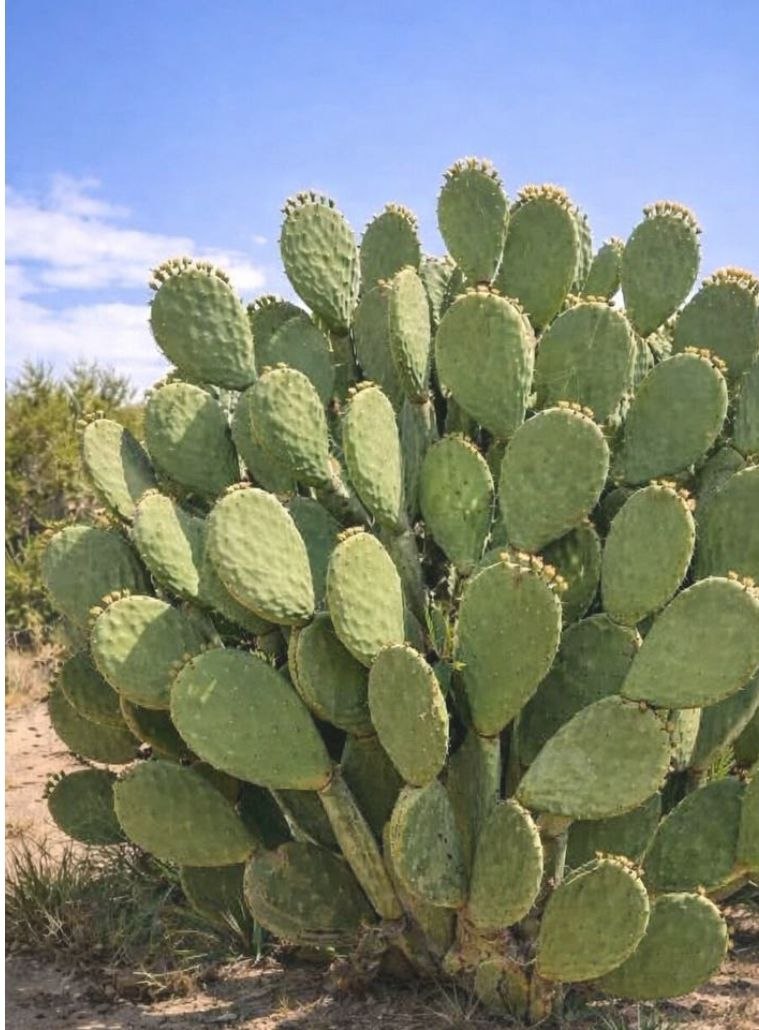
- Prepare the Nopales: Carefully clean the Nopales pads. Using a sharp knife or a vegetable peeler, gently scrape off all the spines and any hard, bumpy areas. Be thorough to ensure no tiny spines remain. You can also wear thick gloves for protection. Once cleaned, rinse the pads under cold water.
- Dice the Nopales: Lay the cleaned Nopales pads flat on a cutting board. Cut them into 1/2-inch to 1-inch dice or strips, depending on your preference for the final dish.
- Boil the Nopales: Place the diced Nopales into a medium saucepan. Cover generously with cold water. Add a pinch of salt to the water. Bring to a boil over medium-high heat. Once boiling, reduce the heat to medium-low and simmer for 15-20 minutes, or until the Nopales are tender but still have a slight bite. They will release a thick, mucilaginous liquid during this process.
- Rinse and Drain: Once cooked, drain the Nopales in a colander. Rinse them thoroughly under cold running water for 1-2 minutes, stirring them with your hand to remove as much of the mucilage as possible. This step is crucial for reducing the “slimy” texture. Drain well, pressing gently to remove excess water.
- Sauté Aromatics: Heat the olive oil in a large skillet or frying pan over medium heat. Add the diced white onion and cook, stirring occasionally, until softened and translucent, about 3-5 minutes.
- Add Garlic and Jalapeño: Add the minced garlic and minced jalapeño (if using) to the skillet. Cook for another 1-2 minutes until fragrant, being careful not to burn the garlic.
- Combine with Nopales: Add the drained and rinsed Nopales to the skillet with the sautéed aromatics. Stir well to combine.
- Add Tomato and Seasonings: Add the diced tomato to the pan. Season with salt and black pepper. Cook for 5-7 minutes, stirring occasionally, allowing the flavors to meld and the tomato to soften slightly.
- Finish with Freshness: Remove the skillet from the heat. Stir in the fresh chopped cilantro and fresh lime juice. Taste and adjust seasonings as needed.
- Serve: Serve hot or at room temperature as a side dish, a filling for tacos or quesadillas, or mixed into scrambled eggs.
Cooking Tips and Variations
For the freshest Nopales, choose pads that are bright green, firm, and free of blemishes or soft spots. Smaller, younger pads tend to be more tender and have fewer spines. When handling raw Nopales, always prioritize safety. Thick kitchen gloves are highly recommended, or you can use tongs to hold the pads while scraping off the spines. A stiff brush can also help remove any tiny, almost invisible glochids (hair-like spines) that might remain after scraping. To further reduce the mucilaginous texture, some traditional methods suggest adding a copper coin or a small piece of aluminum foil to the boiling water, though thorough rinsing is often sufficient. Be careful not to overcook the Nopales during the boiling stage, as they can become too soft and mushy; aim for tender-crisp. After boiling and rinsing, ensure they are well-drained to avoid watery dishes.
This basic Nopales preparation is incredibly versatile. For a spicy kick, increase the amount of jalapeño or add a pinch of dried chili flakes. If you prefer a smoky flavor, consider grilling the cleaned Nopales pads whole or in large strips before dicing and adding them to the sauté. For a hearty breakfast, scramble the cooked Nopales with eggs and a sprinkle of cheese. They also make an excellent addition to stews, soups, or even as a unique topping for pizzas. To make a refreshing Nopales salad, cool the cooked Nopales completely, then toss with diced red onion, more cilantro, a squeeze of lime, and a drizzle of olive oil. You can also incorporate other vegetables like bell peppers or corn for added color and texture. For a vegan option, omit any cheese or animal products and enjoy the Nopales as a flavorful plant-based side.
Storage and Reheating
Cooked Nopales can be stored in an airtight container in the refrigerator for up to 3-4 days. It’s best to allow them to cool completely before transferring them to the container to prevent condensation and maintain freshness. Freezing cooked Nopales is generally not recommended as it can significantly alter their texture, often making them too soft and watery when thawed. If you have an abundance of fresh Nopales, you can clean and dice them, then blanch them briefly (1-2 minutes) before freezing for up to 3 months, though the texture may still be slightly compromised upon thawing.
When reheating, gently warm the Nopales in a skillet over medium-low heat until heated through. You may need to add a tiny splash of water or olive oil to prevent sticking. Avoid reheating in the microwave at high power, as this can cause them to become rubbery or release more mucilage. Low and slow reheating is key to maintaining their best texture and flavor. If using them in a dish like tacos or scrambled eggs, you can simply add the pre-cooked Nopales to the pan with the other ingredients towards the end of the cooking process until warmed through.
Frequently Asked Questions
What does Nopales taste like?
Nopales have a unique flavor that is often described as a cross between green beans and asparagus, with a slightly tart or citrusy undertone. When cooked properly, they have a tender, slightly crisp texture. The flavor can also vary slightly depending on how they are prepared and what seasonings are used.
Are Nopales good for you?
Yes, Nopales are incredibly good for you! They are very low in calories and fat, but high in dietary fiber, vitamins (especially Vitamin C and some B vitamins), and minerals like magnesium, calcium, and potassium. They are known for their potential benefits in blood sugar regulation, cholesterol reduction, and their antioxidant properties due to compounds like betalains.
How do I get rid of the “slime” from Nopales?
The “slime” or mucilage is a natural part of the Nopales and contains beneficial soluble fiber. The best way to reduce it is by boiling the diced Nopales for 15-20 minutes until tender, then thoroughly rinsing them under cold running water in a colander. Stirring them while rinsing helps to wash away the mucilage effectively. Draining them well after rinsing is also important.