Instructions
- Prepare the Potatoes: Peel the potatoes and slice them uniformly thin, about 1/8-inch thick. A mandoline slicer is highly recommended for consistent results, which ensures even cooking. If slicing by hand, try to keep them as even as possible. Place the sliced potatoes in a large bowl of cold water to prevent browning while you prepare the sauce.
- Preheat Oven and Prepare Baking Dish: Preheat your oven to 375°F (190°C). Lightly butter a 9×13-inch baking dish.
- Make the Cheese Sauce: In a large saucepan or Dutch oven over medium heat, melt the butter. If using, add the minced onion and cook until softened and translucent, about 3-5 minutes. Add the minced garlic (if using) and cook for another minute until fragrant.
- Create the Roux: Sprinkle the flour over the butter (and onion/garlic, if used) and whisk continuously for 1-2 minutes to create a smooth, light roux. It should be pale golden and smell slightly nutty.
- Add Milk and Seasonings: Gradually whisk in the warmed milk, a little at a time, ensuring no lumps form. Continue whisking until the sauce thickens and comes to a gentle simmer. Reduce the heat to low.
- Melt the Cheese: Stir in 2 cups of the shredded cheddar cheese and all of the Gruyere cheese (if using) until melted and smooth. Season the sauce with salt, pepper, and nutmeg (if using). Taste and adjust seasonings as needed. The sauce should be well-seasoned, as the potatoes will absorb some of the flavor.
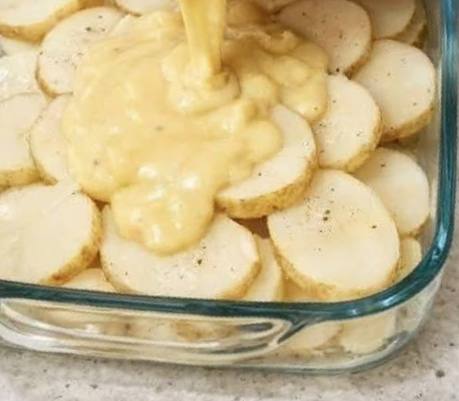
- Assemble the Layers: Drain the sliced potatoes thoroughly and pat them dry with a clean kitchen towel. Arrange a single layer of potato slices in the bottom of the prepared baking dish, overlapping them slightly.
- Layer with Sauce and Cheese: Ladle about one-third of the cheese sauce evenly over the potato layer. Sprinkle about 1/2 cup of the remaining shredded cheddar cheese over the sauce.
- Repeat Layers: Repeat the layering process: another layer of potatoes, followed by another third of the cheese sauce, and another 1/2 cup of shredded cheddar cheese.
- Final Layer: Finish with a final layer of potatoes, then pour the remaining cheese sauce over the top, ensuring all the potatoes are covered. Sprinkle the last 1/2 cup of shredded cheddar cheese evenly over the top.
- Bake: Cover the baking dish tightly with aluminum foil. Bake for 45 minutes.
- Uncover and Brown: Remove the foil and continue baking for another 15-25 minutes, or until the potatoes are tender when pierced with a fork, and the top is golden brown and bubbly. If the top starts to brown too quickly, you can loosely tent it with foil again.
- Rest and Serve: Once baked, remove the scalloped potatoes from the oven and let them rest for 10-15 minutes before serving. This allows the sauce to set and makes for easier, cleaner serving. Garnish with fresh chopped parsley if desired.
Cooking Tips and Variations
Achieving perfect, creamy, and cheesy scalloped potatoes every time requires a few key techniques and considerations. Here are some tips to elevate your dish, along with exciting variations to keep things interesting.
Tips for Best Results:
- Consistent Potato Slices are Key: This is arguably the most crucial tip. Using a mandoline slicer ensures all your potato slices are the same thickness (about 1/8-inch). This guarantees they will cook evenly, preventing some from being undercooked while others turn to mush. If slicing by hand, take your time and be as precise as possible.
- Prevent Browning: As soon as you slice the potatoes, place them in a bowl of cold water. This prevents them from oxidizing and turning brown. Just be sure to drain and thoroughly pat them dry before layering, as excess water can dilute your cheese sauce.
- Warmed Milk for a Smooth Sauce: Adding cold milk to a hot roux can cause lumps. Gently warming your milk beforehand ensures a smoother, lump-free cheese sauce.
- Season Generously: Potatoes are relatively bland on their own, so don’t be shy with your salt and pepper, especially in the cheese sauce. The potatoes will absorb a lot of the seasoning during baking. A pinch of nutmeg might sound unusual, but it’s a classic addition to cream-based sauces and enhances the savory notes of the cheese beautifully.
- Don’t Overcook the Roux: When making the roux, cook the flour and butter for just 1-2 minutes until it’s pale golden and smells slightly nutty. Overcooking it can give your sauce a grainy texture and a less desirable flavor.
- Resting Time is Essential: After baking, resist the urge to dive in immediately. Letting the scalloped potatoes rest for 10-15 minutes allows the sauce to set and distribute evenly, making for cleaner slices and preventing a soupy mess.
- Cover for Even Cooking: Starting the bake covered with foil traps steam, ensuring the potatoes cook through and become tender without drying out or burning the top. Uncovering it towards the end allows for that beautiful golden-brown, bubbly crust.
Recipe Variations:
- Cheese Blend Bonanza: While sharp cheddar is a classic, don’t limit yourself! Experiment with different cheese combinations. Gruyere adds a nutty, earthy depth; Monterey Jack or Colby provides a milder, meltier texture; Parmesan can add a sharp, salty kick. A blend of three cheeses often yields the most complex flavor.
- Smoky Scalloped Potatoes: Incorporate smoked paprika into your cheese sauce or use a smoked cheddar cheese for a delightful smoky flavor profile. A pinch of liquid smoke can also be added.
- Herbaceous Delight: Fresh herbs can brighten the dish. Add chopped fresh thyme, rosemary, or chives to your cheese sauce, or sprinkle them over the top during the last 10 minutes of baking.
- Garlic Lover’s Dream: If you adore garlic, feel free to increase the amount of minced garlic in the sauce. You can also rub the inside of your baking dish with a cut garlic clove before buttering for a subtle hint.
- Spice It Up: A pinch of cayenne pepper in the cheese sauce can add a subtle warmth without making it overly spicy. For more heat, add a dash of hot sauce.
- Meat Lover’s Addition: For a heartier main course, layer in cooked and crumbled bacon, diced ham, or even thinly sliced cooked sausage between the potato layers. This turns a side dish into a substantial meal.
- Vegetable Boost: Add finely diced bell peppers, sautéed mushrooms, or thinly sliced leeks to your layers for added flavor and nutrients. Just make sure they are cooked or softened slightly beforehand so they don’t release too much moisture during baking.
- Creamier Texture: For an even richer, creamier sauce, substitute some of the whole milk with heavy cream or half-and-half.
- Gluten-Free Option: To make this recipe gluten-free, substitute the all-purpose flour with a gluten-free all-purpose flour blend or an equal amount of cornstarch (mixed with a little cold milk before adding to prevent lumps).
Storage and Reheating
Cheesy scalloped potatoes are a fantastic dish to make ahead or enjoy as leftovers. Proper storage and reheating will ensure they remain delicious and maintain their creamy texture.
Storage:
- Refrigeration: Allow the scalloped potatoes to cool completely to room temperature before storing. Cover the baking dish tightly with plastic wrap or aluminum foil, or transfer individual portions to airtight containers. Store in the refrigerator for up to 3-4 days.
- Freezing (Not Recommended for Best Quality): While technically possible, freezing scalloped potatoes is generally not recommended as the potatoes can become mealy or watery upon thawing and reheating, and the creamy sauce may separate. If you choose to freeze, bake the dish completely, allow it to cool, then wrap it tightly in plastic wrap and then foil. Freeze for up to 2-3 months. Thaw overnight in the refrigerator before reheating.
Reheating:
- Oven: The oven is the best method for reheating scalloped potatoes, as it helps to crisp up the edges and warm the dish through evenly without drying it out.
- Preheat your oven to 325°F (160°C).
- If reheating a whole dish, add a splash of milk or cream to the edges if it looks dry, then cover loosely with aluminum foil to prevent excessive browning.
- Bake for 20-30 minutes, or until heated through and bubbly. For individual portions, this might take 10-15 minutes.
- Remove the foil for the last 5-10 minutes if you want to crisp up the top again.
- Microwave (for individual portions): The microwave is convenient for single servings, but it can sometimes make the potatoes a bit softer and the sauce less creamy.
- Place a single serving in a microwave-safe dish.
- Add a tablespoon of milk or cream over the top to help rehydrate the sauce.
- Cover loosely and heat on medium power for 1-2 minutes, stirring halfway through, until heated through. Be careful not to overheat, as this can make the potatoes rubbery.
Tip: If reheating a large portion in the oven, you can sprinkle a little extra cheese on top during the last few minutes of baking for an extra fresh cheesy crust.
Frequently Asked Questions
What kind of potatoes are best for scalloped potatoes?
For cheesy scalloped potatoes, starchy or all-purpose potatoes like Russet or Yukon Gold are ideal. Russets break down slightly more, contributing to a creamier texture, while Yukon Golds hold their shape a bit better and offer a rich, buttery flavor. Avoid waxy potatoes like red or new potatoes, as they tend to stay too firm and don’t absorb the sauce as well.
How can I prevent my scalloped potatoes from being watery?
Watery scalloped potatoes are often due to several factors. First, ensure your potatoes are thoroughly drained and patted dry after slicing. Second, make sure your cheese sauce is thick enough; if it’s too thin, it won’t cling to the potatoes. Third, avoid slicing potatoes too thick, as thicker slices release more moisture during cooking. Lastly, allow the dish to rest for 10-15 minutes after baking before serving; this allows the sauce to set and reabsorb any released moisture.
Can I assemble cheesy scalloped potatoes ahead of time?
Yes, you can assemble cheesy scalloped potatoes up to 1 day in advance. Prepare the dish completely, cover it tightly with plastic wrap, and refrigerate. When ready to bake, remove it from the refrigerator and let it sit at room temperature for about 30 minutes while your oven preheats. You may need to add an extra 10-15 minutes to the baking time since it will be starting from a cold temperature. Note that raw potatoes can oxidize even in sauce, so for the absolute best appearance, baking immediately is preferred, but make-ahead is certainly an option for convenience.
Why are my potatoes still hard after baking for so long?
If your potatoes are still hard, it’s likely due to a few reasons. The most common cause is slicing the potatoes too thick; thinner slices (1/8-inch) cook more evenly and quickly. Another reason could be insufficient baking time or too low of an oven temperature. Ensure your oven is accurately calibrated. Also, make sure the dish is covered with foil for the initial baking period, as this traps steam and helps cook the potatoes through before the top browns.