Instructions
- Prepare the Chicken: Pat the chicken pieces dry with paper towels. In a medium bowl, toss the chicken with 1 tablespoon olive oil, 1/2 teaspoon salt, 1/4 teaspoon black pepper, and 1/4 teaspoon garlic powder until evenly coated.
- Cook the Chicken: Heat a large skillet or Dutch oven over medium-high heat. Add the seasoned chicken in a single layer, being careful not to overcrowd the pan. Cook for 4-6 minutes, flipping occasionally, until golden brown and cooked through. The chicken should have an internal temperature of 165°F (74°C). Remove the cooked chicken from the skillet and set aside on a plate.
- Cook the Pasta: While the chicken cooks, bring a large pot of salted water (8 cups water, 1 teaspoon salt) to a rolling boil. Add the penne pasta and cook according to package directions until al dente (firm to the bite). Before draining, reserve 1 cup of the starchy pasta water. Drain the pasta and set aside.
- Sauté the Garlic: Reduce the heat under the skillet (the same one used for chicken) to medium-low. Add 2 tablespoons unsalted butter to the skillet and let it melt. Add the minced garlic and sauté for 1-2 minutes until fragrant, being careful not to burn it.
- Deglaze and Add Cream: Pour in 1/2 cup chicken broth, scraping up any browned bits from the bottom of the pan with a wooden spoon. Bring to a gentle simmer, then stir in 1.5 cups heavy cream and the optional red pepper flakes. Increase the heat slightly to bring the sauce to a low simmer, stirring occasionally.
- Finish the Sauce: Once the sauce is gently simmering, gradually whisk in 1 cup of freshly grated Parmesan cheese until it melts and the sauce is smooth and slightly thickened. Continue to simmer for 2-3 minutes, allowing the sauce to thicken further. If the sauce becomes too thick, add a splash of the reserved pasta water to reach your desired consistency.
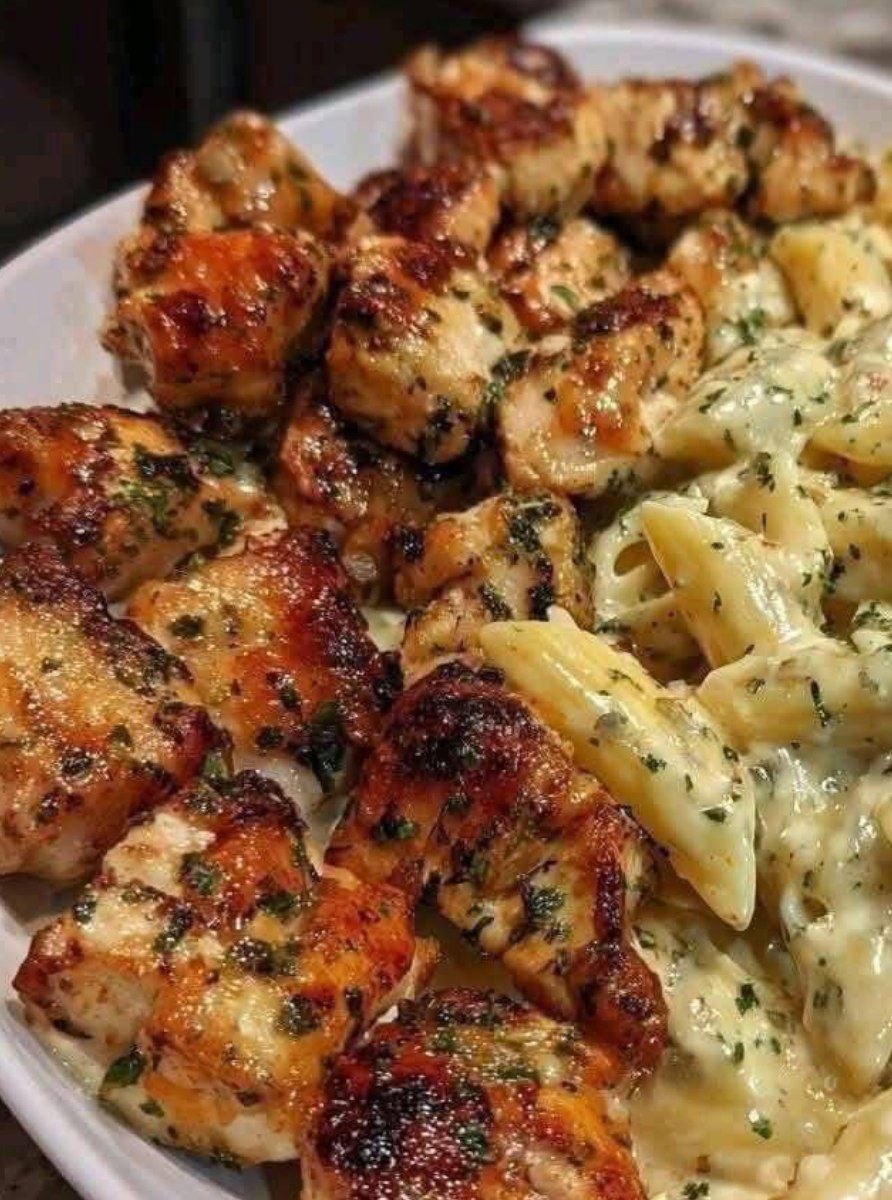
- Combine Ingredients: Return the cooked chicken to the skillet with the sauce. Add the drained penne pasta and 1/4 cup chopped fresh parsley. Toss everything gently to ensure the pasta and chicken are thoroughly coated in the creamy sauce.
- Season and Serve: Taste the pasta and season with additional salt and black pepper as needed. Serve immediately, garnished with extra fresh parsley and a sprinkle of Parmesan cheese, if desired.
Cooking Tips and Variations
Achieving the perfect Creamy Garlic Parmesan Chicken and Penne Pasta is all about a few key techniques and a willingness to experiment. For the best results, always pat your chicken pieces dry before browning. This allows for a beautiful golden crust and prevents steaming. When browning the chicken, avoid overcrowding the pan; work in batches if necessary to ensure each piece gets proper contact with the hot surface, leading to even cooking and maximum flavor development. For the sauce, freshly grated Parmesan cheese is non-negotiable. Pre-shredded cheeses often contain anti-caking agents that can make your sauce gritty or prevent it from melting smoothly, so take the extra minute to grate your own. When adding the Parmesan to the sauce, do so gradually and whisk continuously to ensure a silky-smooth consistency.
Don’t be shy with the garlic! While the recipe calls for 8 cloves, feel free to adjust to your personal preference. For a milder garlic flavor, you can reduce the amount or even roast the garlic beforehand for a sweeter, more mellow taste. If you love a bold garlic punch, add an extra clove or two. Always reserve some of that starchy pasta water before draining. It’s your secret weapon for adjusting the sauce consistency. If your sauce becomes too thick, a splash of pasta water will thin it out beautifully while helping the sauce cling to the pasta. Conversely, if your sauce is too thin, simmering it gently for a few extra minutes will help it reduce and thicken. Ensure your pasta is cooked al dente; it will continue to absorb some of the sauce and soften slightly when combined, so starting with firm pasta prevents it from becoming mushy.
For variations, consider adding vegetables to boost the nutritional value and color. Sautéed spinach, sun-dried tomatoes, or steamed broccoli florets can be stirred in at the end with the chicken and pasta. If you enjoy a bit of heat, a pinch more red pepper flakes can be added to the sauce. For a richer, deeper flavor, you can substitute half of the chicken broth with dry white wine, allowing it to reduce before adding the cream. To make it a bit lighter, you could use half-and-half instead of heavy cream, though it will result in a slightly less rich sauce. You can also experiment with other pasta shapes like fettuccine, rotini, or farfalle if penne isn’t your favorite. Finally, a squeeze of fresh lemon juice at the very end can brighten up the entire dish, cutting through the richness of the cream sauce and adding a wonderful zest. Always taste and adjust seasonings at the end; a little extra salt or pepper can make all the difference in bringing out the full flavor profile of this delicious dish.
Storage and Reheating
Proper storage is key to enjoying your Creamy Garlic Parmesan Chicken and Penne Pasta leftovers. Once the dish has cooled to room temperature (within two hours of cooking), transfer it to an airtight container. Refrigerate promptly, and it will keep well for up to 3-4 days. It’s best to store it in a single container as a complete dish, ensuring the pasta remains coated in the sauce, which helps prevent it from drying out.
When it comes to reheating, the goal is to revive its creamy texture without making it oily or dry. The microwave is the quickest option for individual portions: place a serving in a microwave-safe dish, add a splash of milk, chicken broth, or even water (about 1-2 tablespoons per serving) to help rehydrate the sauce. Cover loosely and heat on medium power for 1-2 minutes, stirring halfway through, until heated through. Be careful not to overheat, as this can cause the sauce to separate.
For larger portions or a more even reheat, the stovetop method is often preferred. Transfer the pasta to a skillet or pot over medium-low heat. Again, add a splash of milk, broth, or water. Stir gently and continuously, allowing the sauce to warm through and re-emulsify. This usually takes about 5-7 minutes. The added liquid helps bring the sauce back to its creamy consistency. Avoid reheating at high temperatures, as this can cause the cheese and cream to break down, resulting in an oily or grainy sauce. Always taste after reheating and adjust seasonings if necessary, as flavors can mellow slightly in the refrigerator.
Frequently Asked Questions
How can I prevent the sauce from becoming too thick or too thin?
The key to perfect sauce consistency lies in two main things: temperature control and reserved pasta water. If your sauce is too thick, gradually stir in small amounts of the reserved starchy pasta water until it reaches your desired consistency. The starches in the pasta water help the sauce cling to the pasta beautifully. If your sauce is too thin, gently simmer it over low heat for a few extra minutes, stirring occasionally, to allow it to reduce and thicken. Avoid high heat, as it can cause the cream to separate.
Can I use pre-cooked chicken for this recipe?
Yes, you can absolutely use pre-cooked chicken to save time! If using pre-cooked chicken (such as rotisserie chicken or leftover grilled chicken), shred or dice it and add it to the sauce along with the cooked pasta in step 7. You won’t need to cook it in the skillet initially, which will significantly reduce your prep time. Just ensure it’s heated through with the sauce.
What are some good vegetable additions to this dish?
This dish is very versatile for adding vegetables. Great options include fresh spinach (stir in at the very end until wilted), sun-dried tomatoes (add with the cream), steamed broccoli florets, sautéed mushrooms, or even asparagus spears. For a slight crunch and color, you could also add some finely diced bell peppers or peas. Add firmer vegetables like broccoli or mushrooms when you add the garlic, or cook them separately and stir them in with the chicken and pasta.