Instructions
- Preheat your oven to 325°F (160°C). Prepare a 9-inch round springform pan (or an 8-inch for a taller cake). Line the bottom with parchment paper and grease the sides. Wrap the outside of the pan securely with two layers of aluminum foil to prevent water from seeping in during the water bath.
- In a heatproof bowl, combine the butter, milk, and cream cheese. Place the bowl over a pot of simmering water (double boiler method), ensuring the bottom of the bowl does not touch the water. Stir gently until the butter and cream cheese are melted and the mixture is smooth and well combined. Remove from heat and let cool slightly.
- Separate the egg whites and yolks. In a large mixing bowl, add the egg yolks to the slightly cooled butter mixture. Whisk until smooth.
- Add the sifted cake flour and cornstarch to the egg yolk mixture. Whisk gently until just combined and smooth. Be careful not to overmix; overmixing can develop gluten and make the cake tough. Stir in the vanilla extract.
- In a separate, very clean, large mixing bowl, add the egg whites and a pinch of salt. Using an electric mixer, begin whisking on medium speed until foamy.
- Add the lemon juice (or cream of tartar) and continue whisking. Gradually add 1/2 cup (100g) of the granulated sugar, about one tablespoon at a time, while continuing to whisk on medium-high speed.
- Increase the speed to high and whisk until the egg whites form stiff, glossy peaks. When you lift the whisk, the peaks should stand firm and hold their shape. Be careful not to over-whisk, as this can make the meringue dry and difficult to fold.
- Add about one-third of the whipped egg whites (meringue) to the egg yolk batter. Gently fold it in with a spatula to lighten the batter. This step helps to equalize the densities of the two mixtures, making the final folding easier.
- Carefully add the remaining meringue to the batter. Using a gentle folding motion (cut down through the center, sweep across the bottom, and lift up), incorporate the egg whites into the batter until just combined. It’s crucial not to deflate the air from the meringue. A few small streaks of white are acceptable.
- Pour the batter into the prepared springform pan. Gently tap the pan on the counter a few times to release any large air bubbles.
- Place the springform pan into a larger roasting pan. Carefully pour hot water into the roasting pan until it reaches about halfway up the sides of the springform pan. This creates a water bath (bain-marie) which ensures even cooking and prevents the cake from cracking or drying out.
- Carefully transfer the roasting pan with the cake to the preheated oven. Bake for 60-75 minutes, or until the top is golden brown and a wooden skewer inserted into the center comes out clean or with minimal moist crumbs. The cake should feel springy to the touch.
- Once baked, turn off the oven and prop the oven door open slightly (with a wooden spoon or oven mitt). Let the cake cool in the oven for about 15-20 minutes. This slow cooling prevents the cake from collapsing too quickly.
- Remove the cake from the oven and the water bath. Carefully remove the foil from the springform pan. Let the cake cool completely on a wire rack before unmolding.
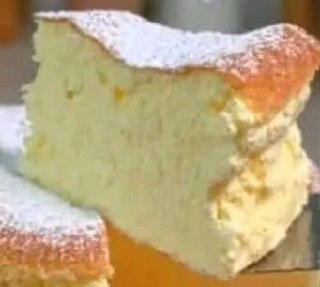
- Once completely cool, carefully run a thin knife around the edge of the pan before releasing the springform. Dust generously with powdered sugar before serving.
Cooking Tips and Variations
Achieving the perfect cloud-like texture requires a little precision and care. Firstly, ensure all your ingredients, especially the eggs and cream cheese, are at room temperature. This helps them emulsify better and contributes to a smoother batter and more voluminous meringue. When whipping egg whites, make sure your bowl and whisk attachments are immaculately clean and grease-free; even a tiny speck of fat can prevent the whites from whipping up properly. Using a glass or metal bowl is often preferred over plastic, as plastic can retain greasy residues. The lemon juice or cream of tartar acts as a stabilizer for the egg whites, helping them hold their structure.
Gentle folding is perhaps the most critical step. Imagine you are trying to preserve every single air bubble in the meringue. Use a rubber spatula and a light hand, cutting down through the center of the batter, sweeping across the bottom, and lifting it up. Rotate the bowl as you go. Stop folding as soon as no large streaks of white remain; over-folding will deflate the meringue and result in a dense cake. The water bath is non-negotiable for this type of cake, as it provides a moist, gentle baking environment that prevents the cake from drying out, cracking, and ensures a super-tender crumb.
For variations, you can infuse different flavors into your Cloud Cake. Try adding a tablespoon of orange zest or lemon zest to the batter for a citrusy twist. A teaspoon of almond extract can replace vanilla for a nutty aroma. For a chocolate version, you could gently fold in 1/4 cup of sifted cocoa powder with the flour, though this might slightly alter the texture. You can also experiment with toppings beyond powdered sugar; a light berry compote, fresh sliced fruits, or a dollop of unsweetened whipped cream make wonderful accompaniments. Just remember to keep the additions light to maintain the cake’s delicate nature.
Storage and Reheating
Delicious Cloud Cake is best enjoyed fresh, as its light and airy texture is at its peak immediately after baking and cooling. However, if you have leftovers, proper storage will help maintain its quality for a short period. Once completely cooled, cover the cake loosely with plastic wrap or place it in an airtight container. Store it in the refrigerator for up to 2-3 days. Avoid storing it at room temperature for extended periods, as the dairy and eggs make it perishable.
When storing, ensure the cake is not exposed to strong odors in the refrigerator, as it can absorb them easily due to its delicate structure. If you’ve dusted it with powdered sugar, you might find that the sugar dissolves into the cake over time due to moisture. You can re-dust it with a fresh layer of powdered sugar just before serving to refresh its appearance.
Reheating is generally not recommended for Cloud Cake, as heating it up can cause it to lose its signature light and fluffy texture, potentially making it dense or rubbery. It is best enjoyed chilled or at room temperature. If you prefer it slightly warmer, you can let it sit out at room temperature for about 15-20 minutes before serving. This allows the cake to soften slightly and brings out its subtle flavors more effectively than serving it straight from the cold refrigerator.
Frequently Asked Questions
What makes this cake so “cloud-like”?
The “cloud-like” texture primarily comes from the method of incorporating a large volume of air into the egg whites, creating a stable meringue. This meringue is then gently folded into a light batter, and the cake is baked in a water bath. The water bath provides a moist, even heat, preventing the cake from drying out and allowing the air pockets to expand without collapsing, resulting in an incredibly airy, melt-in-your-mouth crumb that feels almost weightless.
Can I substitute all-purpose flour for cake flour?
While you can, it’s not recommended if you want to achieve the true cloud-like texture. Cake flour has a lower protein content than all-purpose flour, which results in a more tender and delicate crumb. Using all-purpose flour can make the cake denser and less airy. If you absolutely must substitute, you can make your own cake flour by removing two tablespoons of all-purpose flour from each cup and replacing it with two tablespoons of cornstarch, then sifting it thoroughly.
Why did my cake crack on top?
Cracking on top is a common issue with delicate cakes like this and can be caused by a few factors. The most common reasons are baking at too high a temperature, which causes the cake to rise too quickly and the surface to set before the interior, or insufficient moisture during baking. Ensuring your oven temperature is accurate and using a proper water bath are crucial steps to prevent cracking. Also, over-baking can lead to a dry surface that cracks. Cooling the cake slowly in the oven with the door ajar also helps prevent sudden temperature changes that can cause cracks.
My cake sunk after cooling. What went wrong?
Cake sinking is often due to over-mixing the batter (which deflates the air from the egg whites), insufficient baking (the internal structure isn’t fully set), or a sudden temperature change during cooling. Make sure your egg whites are whipped to firm, glossy peaks, but not over-whipped. Ensure the cake is fully baked by checking with a skewer. Most importantly, allow the cake to cool slowly in the oven with the door slightly ajar for at least 15-20 minutes after baking before removing it. This gradual cooling prevents a sudden temperature shock that can cause the delicate structure to collapse.