Cooking Tips and Variations
- Oil Temperature is Key: This is the most crucial tip for frying. If the oil is too cool, the donuts will absorb too much oil and be greasy. If it’s too hot, they’ll brown too quickly on the outside and be raw in the middle. Invest in a good candy thermometer and keep the oil between 350-360°F (175-182°C).
- Don’t Overcrowd the Pot: Fry only a few donuts at a time to maintain the oil temperature and ensure even cooking.
- Dough Consistency: For yeast donuts, the dough should be soft and slightly tacky after kneading. For cake donuts, it will be thicker and stickier, but chilling helps.
- Proofing Yeast Dough: A warm, draft-free place is ideal for rising dough. If your kitchen is cool, you can turn your oven on to its lowest setting for a few minutes, then turn it off and place the covered bowl inside.
- Glaze Consistency: Adjust the thinness or thickness of your glaze by adding more liquid (milk/water) for a thinner glaze or more powdered sugar for a thicker one.
- Variations for Glazes:
- Chocolate Glaze: Add 2-3 tablespoons of unsweetened cocoa powder to your powdered sugar glaze.
- Coffee Glaze: Substitute hot brewed coffee for some or all of the milk/water in the glaze.
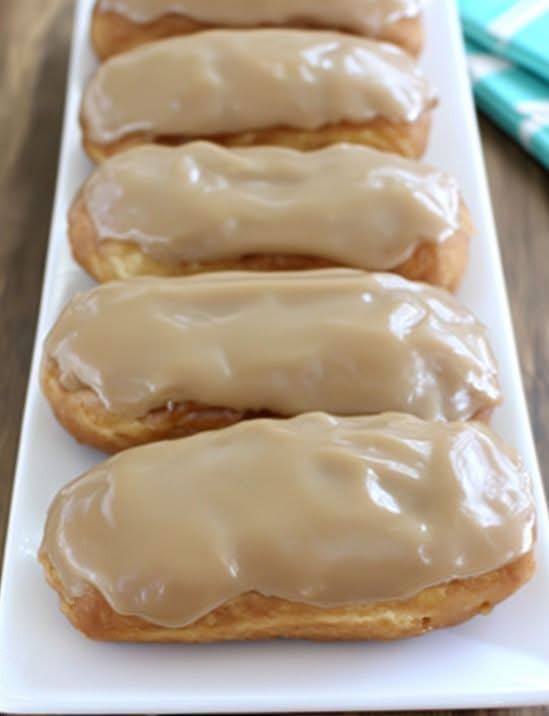
- Maple Glaze: Add 2-3 tablespoons of maple syrup to your powdered sugar glaze, reducing the liquid slightly.
- Cinnamon Sugar: Instead of a wet glaze, toss warm donuts in a mixture of ½ cup granulated sugar and 1 tablespoon ground cinnamon.
- Cake Donut Variations:
- Lemon Zest: Add 1-2 teaspoons of lemon zest to the cake donut batter for a bright flavor.
- Spiced: Increase the nutmeg or add a pinch of cinnamon or allspice to the cake donut batter.
- Donut Holes: Don’t discard the donut holes! Fry them just like the full-sized donuts for a delightful bite-sized treat.
Storage and Reheating
Homemade donuts are best enjoyed fresh, ideally within a few hours of making them. The texture and flavor are at their peak when warm and just off the cooling rack.
- Storage:
- Room Temperature: Store leftover donuts (glazed or unglazed) in an airtight container at room temperature for up to 1-2 days. Glazed donuts may become slightly sticky or the glaze may soften over time.
- Refrigeration: Refrigeration is generally not recommended for fried donuts as it can dry them out and make them stale faster.
- Freezing (Unglazed): For longer storage, you can freeze unglazed donuts. Once completely cooled, place them in a single layer on a baking sheet and freeze until solid. Then transfer them to a freezer-safe bag or airtight container for up to 1 month.
- Reheating:
- From Room Temperature: To refresh room temperature donuts, you can warm them briefly in the microwave for 10-15 seconds (be careful not to overheat, or they’ll become tough) or in a preheated oven at 300°F (150°C) for 3-5 minutes.
- From Frozen: Thaw frozen unglazed donuts at room temperature for an hour or two. Then, you can warm them in the oven as described above or glaze them fresh if desired. Freezing glazed donuts can make the glaze watery upon thawing.
Frequently Asked Questions
What kind of oil is best for frying donuts?
For frying donuts, it’s best to use a neutral-flavored oil with a high smoke point. Good options include vegetable oil, canola oil, sunflower oil, or peanut oil. These oils won’t impart any unwanted flavors to your donuts and can withstand the high temperatures required for frying.
My donuts are greasy. What went wrong?
Greasy donuts are almost always a sign that your oil temperature was too low. When the oil isn’t hot enough, the donuts absorb too much oil instead of quickly forming a crisp exterior. Ensure your oil is consistently at 350-360°F (175-182°C) using a thermometer. Also, avoid overcrowding the pot, as this can lower the oil temperature significantly.
My yeast donuts didn’t rise. What happened?
There are a few common reasons for yeast donuts not rising. The most likely culprit is inactive yeast. Make sure your yeast is fresh and that your warm milk/water is within the correct temperature range (105-115°F / 40-46°C). Water that’s too hot will kill the yeast, while water that’s too cold won’t activate it. An old batch of yeast can also be the problem. Ensure your rising environment is warm and draft-free for optimal proofing.