Instructions
- Prepare Your Pan: Preheat your oven to 325°F (160°C). Grease and flour a 9×5-inch loaf pan thoroughly. You can also line the bottom with parchment paper, leaving an overhang on the sides to easily lift the cake out later.
- Whisk Dry Ingredients: In a medium bowl, whisk together the all-purpose flour, baking powder, and salt. Set aside.
- Cream Butter and Sugar: In a large mixing bowl, using an electric mixer (stand mixer with paddle attachment or handheld mixer), beat the softened unsalted butter on medium speed for about 2 minutes until light and creamy. Gradually add the granulated sugar, beating for another 3-5 minutes until the mixture is very light in color and fluffy. This step is crucial for incorporating air and creating a tender crumb.
- Add Eggs One at a Time: Add the large eggs one at a time, beating well after each addition until fully incorporated. Scrape down the sides of the bowl as needed to ensure everything is mixed evenly. The mixture might look slightly curdled at this point, which is normal.
- Stir in Vanilla: Beat in the pure vanilla extract until just combined.
- Alternate Dry and Wet Ingredients: With the mixer on low speed, gradually add the dry ingredients to the wet ingredients in three additions, alternating with the whole milk in two additions. Begin and end with the dry ingredients. For example: add ⅓ of the flour mixture, mix until just combined; add ½ of the milk, mix until just combined; add ⅓ of the flour mixture, mix; add remaining ½ of the milk, mix; add remaining ⅓ of the flour mixture, mix until just combined. Be careful not to overmix the batter once the flour is added, as this can develop gluten and lead to a tough cake. Mix only until no streaks of flour remain.
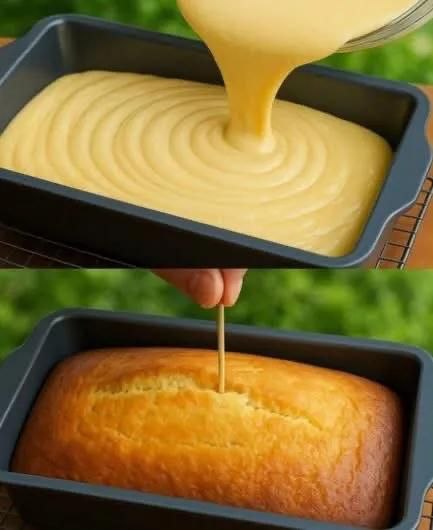
- Transfer to Pan: Pour the batter evenly into the prepared loaf pan. Smooth the top with a spatula.
- Bake: Bake for 60-75 minutes, or until a wooden skewer or toothpick inserted into the center of the cake comes out clean. The top should be golden brown. If the top starts to brown too quickly, you can loosely tent it with aluminum foil during the last 15-20 minutes of baking.
- Cool: Once baked, remove the loaf pan from the oven and let the cake cool in the pan on a wire rack for 15-20 minutes. This allows the cake to set and prevents it from crumbling when removed.
- Remove from Pan and Cool Completely: After cooling in the pan, carefully invert the cake onto the wire rack to remove it. If you used parchment paper, lift the cake out using the overhang. Let the pound cake cool completely on the wire rack before slicing and serving. Slicing too early can result in a gummy texture.
Cooking Tips and Variations
Room Temperature Ingredients are Key: This is perhaps the most important tip for pound cake. Ensure your butter, eggs, and milk are all at room temperature. Cold ingredients don’t emulsify properly, leading to a lumpy batter and a denser, less tender cake. Take them out of the fridge at least 30-60 minutes before you start baking.
Don’t Overmix: Once you add the flour, mix only until just combined. Overmixing develops the gluten in the flour, which can lead to a tough, dry cake. A few small lumps of flour are better than an overmixed batter.
Proper Pan Preparation: Greasing and flouring your loaf pan thoroughly is essential to prevent sticking. For extra insurance, you can cut a strip of parchment paper to fit the bottom and two long sides of the pan, leaving an overhang to easily lift the cake out once baked. This is especially helpful for delicate cakes.
Test for Doneness Accurately: While the baking time is a good guideline, ovens vary. Always rely on the toothpick test. Insert a wooden skewer or toothpick into the very center of the cake. If it comes out clean with no wet batter, your cake is done. If it has moist crumbs, it’s perfect. If it’s wet, continue baking for a few more minutes and test again.
Even Baking with a Baking Strip: If you find your pound cakes often dome excessively or crack on top, consider using a baking strip. These insulated strips wrap around the outside of your pan and help the cake bake more evenly, reducing cracking and creating a flatter top.
Flavor Variations:
- Lemon Zest: Add 1-2 tablespoons of fresh lemon zest to the sugar and butter mixture in step 3 for a bright, citrusy twist.
- Almond Extract: Substitute ½ teaspoon of the vanilla extract with ½ teaspoon of almond extract for a subtle, nutty flavor.
- Orange Blossom or Rosewater: For a more exotic flavor, add a teaspoon of orange blossom water or rosewater along with the vanilla.
- Chocolate Chip: Fold in ½ cup of mini chocolate chips with the last addition of flour for a chocolatey surprise.
- Spice It Up: Add ½ teaspoon of ground cinnamon or nutmeg to the dry ingredients for a warm, spiced pound cake.
Glaze It: While delicious plain, a simple glaze can elevate your pound cake. Whisk together 1 cup powdered sugar with 2-3 tablespoons of milk or lemon juice until smooth. Drizzle over the cooled cake.
Storage and Reheating
Cool Completely Before Storing: Always ensure your pound cake is completely cooled before storing it. Storing a warm cake will create condensation, making it soggy and promoting mold growth.
Room Temperature Storage: For optimal freshness and texture, store your Easy Vanilla Pound Cake at room temperature. Wrap the cooled cake tightly in plastic wrap or aluminum foil, or place it in an airtight container. It will stay fresh for 3-4 days. Storing it in the refrigerator can dry it out and alter its texture, making it denser.
Freezing for Longer Storage: Pound cake freezes exceptionally well. Once completely cooled, wrap the entire loaf or individual slices tightly in plastic wrap, then an additional layer of aluminum foil. Place in a freezer-safe bag or container. It can be frozen for up to 2-3 months. Thaw frozen cake overnight in the refrigerator, then bring to room temperature before serving for the best texture.
Reheating: Pound cake is best enjoyed at room temperature. If you prefer it slightly warm, you can gently reheat individual slices in the microwave for 10-15 seconds or in a toaster oven until just warm. Be careful not to overheat, as this can dry it out.
Frequently Asked Questions
Why did my pound cake turn out dry?
A dry pound cake is usually the result of overbaking or overmixing the batter. Overbaking removes too much moisture, while overmixing develops gluten, which can make the cake tough and dry. Ensure you test for doneness with a toothpick and remove the cake from the oven as soon as it comes out clean. Also, measuring flour by weight (grams) rather than volume (cups) can prevent inadvertently adding too much flour, which also contributes to dryness.
Can I substitute ingredients in this recipe?
While pound cake is generally forgiving, some substitutions can impact the final texture. For instance, using a lower fat milk (like skim milk) instead of whole milk may result in a slightly less rich or moist cake. You can experiment with different extracts for flavor variations (e.g., almond, lemon), but it’s best to stick to the specified fat (butter) and leavening (baking powder) for the best results.
My pound cake cracked on top, what went wrong?
Cracking on the top of a pound cake is very common and often a sign of a well-baked cake. It happens because the outside of the cake bakes and sets faster than the inside. As the center continues to rise, the already set crust on top cracks. While it doesn’t affect the taste, if you prefer a flatter top, ensure your oven temperature is accurate (an oven thermometer is helpful) and consider using a baking strip around your loaf pan to help the cake bake more evenly.
How do I know if my butter is at room temperature?
Room temperature butter should be soft enough to indent easily with your finger without melting or feeling greasy. If it’s too cold and hard, it won’t cream properly with the sugar. If it’s too warm and melty, it won’t hold air, resulting in a dense cake. Typically, butter takes about 30-60 minutes out of the refrigerator to reach the ideal room temperature.