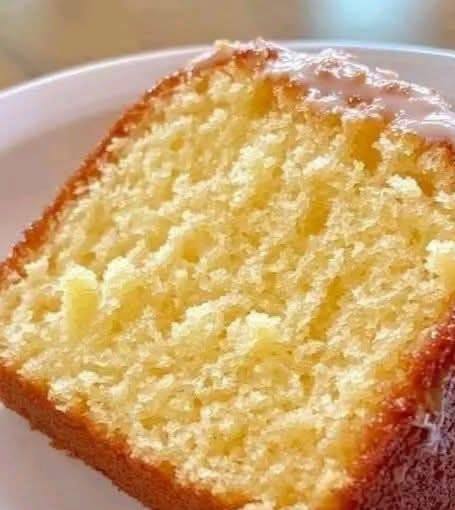
Instructions
- Prepare Your Pan: Preheat your oven to 325°F (160°C). Generously grease and flour a 10-12 cup Bundt pan. Ensure every crevice is coated to prevent sticking.
- Combine Dry Ingredients: In a medium bowl, whisk together the sifted flour, baking powder, baking soda, and salt. Set aside.
- Cream Butter and Sugar: In a large bowl, using an electric mixer, cream the softened butter and granulated sugar together on medium-high speed for 5-7 minutes, until light and fluffy. This step is crucial for incorporating air and achieving a tender crumb.
- Add Eggs: Add the eggs one at a time, beating well after each addition. Scrape down the sides of the bowl as needed to ensure everything is fully incorporated.
- Add Vanilla: Stir in the vanilla extract until just combined.
- Alternate Dry and Wet Ingredients: With the mixer on low speed, gradually add the dry ingredient mixture to the butter mixture, alternating with the buttermilk. Begin and end with the dry ingredients (e.g., 1/3 dry, 1/2 buttermilk, 1/3 dry, 1/2 buttermilk, 1/3 dry). Mix until just combined, being careful not to overmix the batter. Overmixing can lead to a tough cake.
- Pour into Pan: Pour the cake batter evenly into the prepared Bundt pan. Gently tap the pan on the counter a couple of times to release any air bubbles.
- Bake the Cake: Bake for 55-65 minutes, or until a wooden skewer or toothpick inserted into the center of the cake comes out clean. The cake should be golden brown on top.
- Prepare the Butter Glaze: While the cake is baking, prepare the butter glaze. In a small saucepan, melt the butter over medium heat. Add the sugar and water, stirring until the sugar dissolves. Bring the mixture to a gentle boil, then remove from heat and stir in the vanilla extract. Keep warm.
- Glaze the Warm Cake: As soon as you remove the cake from the oven, place it on a wire rack. While it’s still in the pan, use a wooden skewer or the handle of a wooden spoon to poke holes all over the top surface of the cake, going about halfway down.
- Pour the Glaze: Slowly and evenly pour the warm butter glaze over the hot cake, allowing it to soak into the holes. This is the magic moment!
- Cool and Invert: Let the cake cool in the Bundt pan for at least 20-30 minutes, or until the pan is cool enough to handle. This allows the glaze to fully absorb and the cake to set.
- Release the Cake: Carefully invert the cake onto a serving plate. If you greased and floured the pan well, it should release easily.
- Serve: Allow the cake to cool completely before slicing and serving for the best texture and flavor.
Cooking Tips and Variations
Achieving the perfect Kentucky Butter Cake is all about the details, and these tips will ensure your cake is nothing short of spectacular. First and foremost, the quality of your butter matters immensely. Since butter is the star of this show, opt for a high-quality, unsalted butter for both the cake and the glaze. It truly makes a noticeable difference in flavor and richness. Another critical factor is using room temperature ingredients, especially the eggs and buttermilk. This allows them to emulsify properly with the butter and sugar, creating a smooth, homogenous batter that bakes evenly and results in a tender, moist crumb. Cold ingredients can cause the batter to curdle and affect the cake’s texture.
When it comes to the “butter soak” – the signature element – timing is everything. Pour the warm glaze over the hot cake immediately after it comes out of the oven. The heat from the cake helps it absorb the glaze more effectively. Don’t be shy about poking plenty of holes; the more pathways the glaze has, the deeper it will penetrate, ensuring maximum moisture and flavor throughout the cake. For the Bundt pan, a thorough greasing and flouring is non-negotiable. Use shortening or butter to grease, ensuring it gets into all the nooks and crannies, then dust generously with flour, tapping out any excess. This prevents the cake from sticking and ensures a clean release.
To prevent over-browning, especially in darker metal Bundt pans, you might consider baking the cake on a lower rack or loosely tenting it with aluminum foil towards the end of the baking time if the top is getting too dark. Always use a light-colored metal pan if possible, as they conduct heat more evenly. To adapt this recipe for different pan sizes, a 9×13 inch pan would typically require a slightly reduced baking time (around 40-50 minutes) and might yield a slightly less dramatic presentation, but the taste will be just as divine. For smaller loaf pans, the baking time will be significantly shorter. Always test for doneness with a toothpick and adjust accordingly.
For variations, consider adding a tablespoon or two of good quality bourbon to the butter glaze for an authentic Kentucky kick – it pairs beautifully with the rich butter flavor. You could also infuse the cake batter with a hint of lemon zest for a brighter profile, or even a touch of almond extract alongside the vanilla for a different aromatic twist. For a seasonal variation, try adding a pinch of nutmeg or cinnamon to the cake batter during the fall. Serving suggestions include a dollop of freshly whipped cream, a scoop of vanilla bean ice cream, or a handful of fresh berries to cut through the richness. This cake is also fantastic on its own, perhaps with a cup of coffee or tea.
Storage and Reheating
Proper storage is key to maintaining the incredible moisture and flavor of your Kentucky Butter Cake. Once the cake has completely cooled and been glazed, it should be stored at room temperature, tightly covered. An airtight cake dome or a large container works perfectly. This cake is renowned for its excellent keeping qualities and will remain wonderfully moist and delicious for 3-4 days on the countertop. Avoid refrigerating the cake unless you live in a very warm and humid climate, as refrigeration can sometimes dry out butter cakes and alter their texture. If you must refrigerate, ensure it’s in an airtight container to minimize moisture loss, and bring it back to room temperature before serving for the best flavor and texture.
For longer storage, Kentucky Butter Cake freezes exceptionally well. To freeze, ensure the cake is completely cooled. You can freeze it whole, in halves, or in individual slices. Wrap the cake tightly in several layers of plastic wrap, then an additional layer of aluminum foil to prevent freezer burn. Label with the date. Frozen Kentucky Butter Cake can be stored for up to 2-3 months. To thaw, simply transfer the wrapped cake to the refrigerator overnight, or let it come to room temperature on the counter for several hours. Once thawed, it will be almost as good as freshly baked.
Reheating is generally not necessary for this cake, as it’s best enjoyed at room temperature. The glaze is designed to absorb and keep the cake moist, so warming it up can sometimes make it a bit greasy or alter the delicate balance of moisture. If you prefer a slightly warm slice, you can gently heat individual slices in the microwave for 10-15 seconds, just until warm to the touch. Be careful not to overheat, as this can dry out the cake. Alternatively, a quick warm-up in a low oven (around 250°F or 120°C) for 5-10 minutes can also work for a whole cake, but again, monitor closely to prevent drying.
Frequently Asked Questions
Why is my Kentucky Butter Cake dry?
A dry Kentucky Butter Cake is usually a result of overbaking. The high sugar and butter content means it can go from perfectly moist to dry quite quickly. Ensure you’re testing for doneness with a toothpick inserted into the center – it should come out clean or with a few moist crumbs, not wet batter. Also, make sure your oven temperature is accurate. Another factor could be not using enough of the butter glaze, or pouring it over a cake that has cooled too much, preventing proper absorption.
Can I make Kentucky Butter Cake without a Bundt pan?
Yes, absolutely! While a Bundt pan gives it that classic, elegant shape, you can certainly bake a Kentucky Butter Cake in other pans. A 9×13 inch baking pan will work well, though the baking time will likely be shorter (around 40-50 minutes). You could also use two 8-inch round cake pans for a layer cake, or even a couple of loaf pans. Remember to adjust baking times and always grease and flour your chosen pan thoroughly, and don’t forget to poke holes and pour the glaze over the warm cake regardless of the pan shape.
What’s the difference between Kentucky Butter Cake and regular butter cake?
The primary distinguishing factor of a Kentucky Butter Cake is its signature warm butter glaze or soak. While many butter cakes are rich and delicious, the Kentucky version is characterized by this additional step where a sweet, buttery sauce is poured over the cake while it’s still hot, allowing it to penetrate deeply and create an exceptionally moist, dense, and flavorful crumb. This glaze isn’t merely a topping; it’s an integral part of the cake’s texture and taste, making it distinctively more moist and buttery than a standard butter cake.