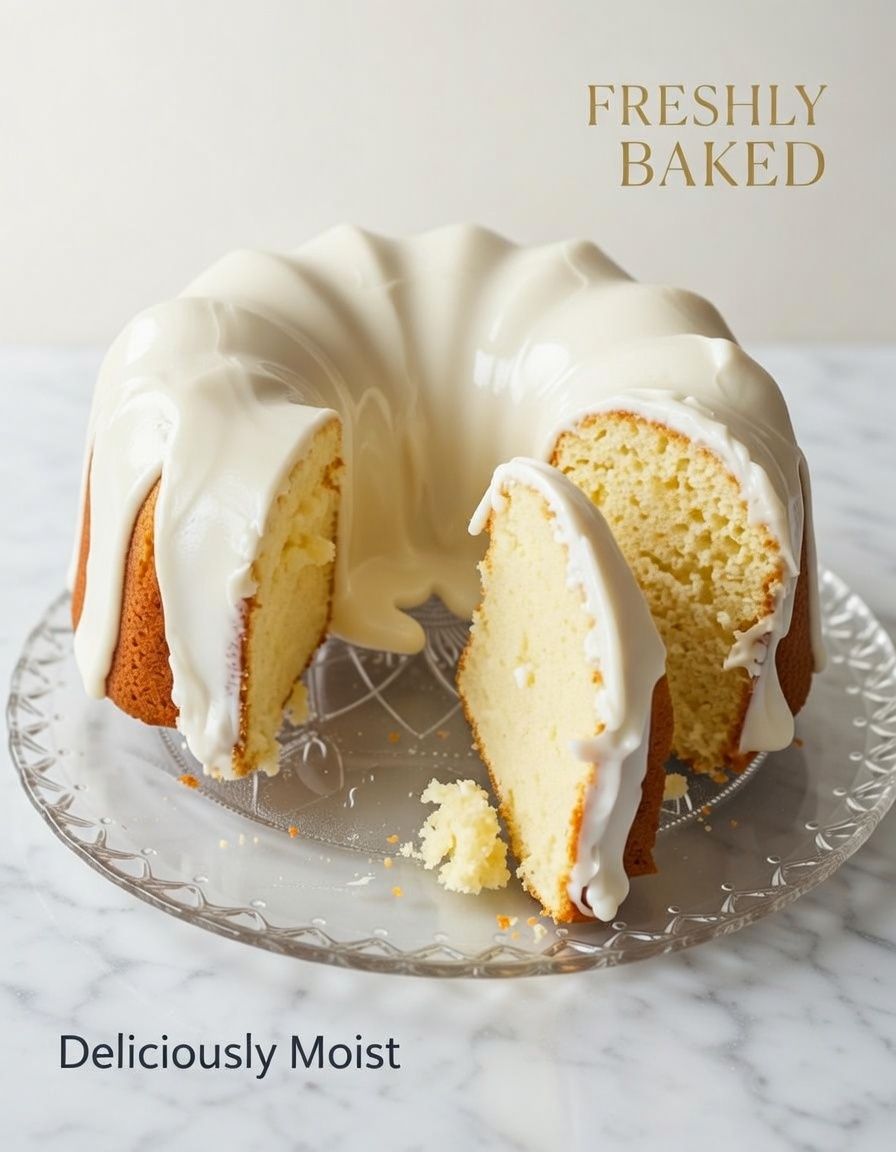
Slap Ya Momma Pound Cake 🥧: The Ultimate Guide to Baking a Rich, Creamy Southern Classic
There’s something unforgettable about a truly great pound cake. It’s dense but tender, sweet but balanced, rich yet comforting. One bite of a well-made Slap Ya Momma Pound Cake—with its buttery crumb and velvety cream cheese depth—can instantly transport you to a Southern kitchen filled with warmth and nostalgia.
But here’s the truth: while pound cake looks simple, mastering it requires attention to ingredients, tools, technique, and food safety. Whether you’re baking for a family gathering, a holiday table, or simply craving a slice with coffee, this comprehensive guide will help you cook smarter, choose better ingredients, and avoid costly mistakes.
Let’s break down what makes this cake exceptional—and how you can make it perfectly every time. 🍰
The Classic Ingredients: Why Quality Matters
The original ingredient list may look straightforward:
- 1 cup (2 sticks) unsalted butter, softened
- 8 ounces cream cheese, softened
- 3 cups granulated sugar
- 6 large eggs
- 3 cups all-purpose flour
- 1 teaspoon salt
- 1 tablespoon vanilla extract
Yet every single component plays a critical structural and flavor role.
🧈 Butter: The Foundation of Flavor
Chef Maria Lawson explains, “In a pound cake, butter isn’t just fat—it’s flavor architecture.”
Unsalted butter is essential because it gives you full control over salt content. Higher-quality European-style butter (with 82%+ butterfat) creates a richer crumb, while budget butter may contain more water, potentially affecting texture.
Cost Tip: Premium butter may cost more per pound, but because butter is the dominant flavor, it’s often worth the upgrade for special occasions.
🧀 Cream Cheese: The Game-Changer
The addition of cream cheese transforms a standard pound cake into something ultra-moist and slightly tangy.
Choose full-fat block cream cheese—not whipped or spreadable versions. Lower-fat versions contain stabilizers and extra moisture that can affect baking performance.
🍬 Sugar: Structure and Sweetness
Granulated sugar does more than sweeten. It:
- Creates air pockets during creaming
- Stabilizes the structure
- Helps form a golden crust
Organic sugar works fine but may slightly alter texture due to crystal size differences.
🥚 Eggs: Stability and Lift
Eggs provide protein structure. Always use room-temperature eggs to prevent curdling when mixing with butter.
Culinary Instructor James Holloway notes, “Cold eggs shock the batter and disrupt emulsification, which can lead to dense pockets.”
🌾 Flour: The Backbone
All-purpose flour is traditional. For a slightly lighter texture, you may substitute cake flour—but avoid overmixing to prevent toughness.
Essential Kitchen Tools for Perfect Results
Using the right equipment significantly improves outcomes.
Stand Mixer vs Hand Mixer
- Stand Mixer: Best for consistent creaming and large batches.
- Hand Mixer: Budget-friendly and effective with proper technique.
If you bake frequently, investing in a quality stand mixer can improve texture consistency.
Bundt Pan vs Loaf Pan
- Bundt Pan: Elegant presentation and even heat distribution.
- Loaf Pan: Easier slicing and storage.
Always grease thoroughly with butter and flour—or use baking spray with flour included.
Oven Thermometer
Many home ovens run 10–25°F off calibration. An inexpensive oven thermometer prevents overbaking.
Step-by-Step Preparation Method
1️⃣ Creaming the Butter and Cream Cheese
Beat together for 4–6 minutes until pale and fluffy. This incorporates air, which affects final texture.
2️⃣ Gradually Add Sugar
Add sugar slowly while mixing. Scrape down bowl sides frequently.
3️⃣ Add Eggs One at a Time
Fully incorporate each egg before adding the next.
4️⃣ Fold in Dry Ingredients
Mix flour and salt separately, then add gradually on low speed.
5️⃣ Add Vanilla
Stir gently until just combined.
6️⃣ Bake
Bake at 325°F for 75–90 minutes. Internal temperature should reach approximately 210°F for full doneness.
Nutritional Overview & Ingredient Breakdown
| Ingredient | Measurement | Calories (Approx.) | Functional Benefit | Serving Contribution |
|---|---|---|---|---|
| Unsalted Butter | 1 cup (227g) | 1628 | Richness, moisture, flavor | Primary fat source |
| Cream Cheese | 8 oz (226g) | 800 | Texture balance, slight tang | Moisture enhancement |
| Granulated Sugar | 3 cups (600g) | 2325 | Sweetness, structure | Energy source |
| Eggs | 6 large | 420 | Protein structure, stability | Binding agent |
| All-Purpose Flour | 3 cups (360g) | 1365 | Structure formation | Carbohydrate base |
| Estimated Per Slice | 1/16 cake (~120g) | 410–450 | Energy and satisfaction | Standard serving |
Homemade vs Store-Bought Pound Cake
Flavor
Homemade offers deeper butter notes and fresher texture.
Cost
Store-bought cakes may cost $8–$15. Homemade typically costs $6–$10 depending on ingredient quality.
Control
Homemade allows control over sugar levels, flavor extracts, and portion size.
Health-Conscious Adjustments
Nutritionist Sarah Coleman advises moderation: “Pound cake is indulgent by design. The key is portion control and balance.”
Smart Modifications
- Reduce sugar by ½ cup (texture may slightly change)
- Use part whole-wheat pastry flour for added fiber
- Serve with fresh berries instead of icing
Always avoid claiming it as “low-calorie”—this is a treat meant for mindful enjoyment.
Food Safety & Storage Tips
Cooling
Cool completely before wrapping to prevent condensation.
Storage
- Room temperature: 3–4 days (airtight container)
- Refrigerated: Up to 1 week
- Frozen: Up to 3 months (wrap tightly)
Allergy Awareness
Contains dairy, eggs, and gluten. Avoid cross-contamination if baking for guests.
Common Mistakes to Avoid
- Overmixing flour (causes toughness)
- Under-creaming butter
- Opening oven too early
- Using cold ingredients
- Improper pan greasing
Serving Ideas & Pairings 🍓
Enhance your cake with:
- Fresh strawberries and whipped cream
- Light dusting of powdered sugar
- Toasted pecans
- Warm caramel drizzle
For more baking inspiration, you can explore additional dessert ideas at https://gentplu.com where similar comforting recipes are featured.
10 Frequently Asked Questions
1. Can I use salted butter?
Yes, but reduce added salt by half.
2. Why did my cake crack?
Surface cracking is normal in pound cake due to dense batter expansion.
3. Can I freeze slices individually?
Yes. Wrap tightly in plastic wrap and store in freezer bags.
4. How do I reheat?
Microwave for 10–15 seconds for a warm texture.
5. Can I substitute almond extract?
Yes, use ½ teaspoon for a subtle flavor.
6. Is cake flour better?
It creates a lighter crumb but reduces density.
7. What if I don’t have a mixer?
You can mix by hand, but ensure thorough creaming.
8. How much does it cost to make?
Approximately $6–$12 depending on ingredient quality.
9. Why is my cake dry?
Likely overbaked or measured flour incorrectly.
10. Can I make it ahead?
Yes. Pound cake often tastes better the next day as flavors deepen.
Final Thoughts: Baking Smarter, Not Just Sweeter
Slap Ya Momma Pound Cake isn’t just a recipe—it’s a baking experience rooted in tradition and technique. By choosing high-quality ingredients, using the right tools, and following proper preparation methods, you can elevate a simple cake into a show-stopping dessert.
Remember:
- Measure accurately
- Respect baking temperatures
- Allow proper cooling
- Practice portion mindfulness
With attention to detail and a little patience, this rich Southern classic will reward you with buttery slices that satisfy every craving. Happy baking! 🥧✨