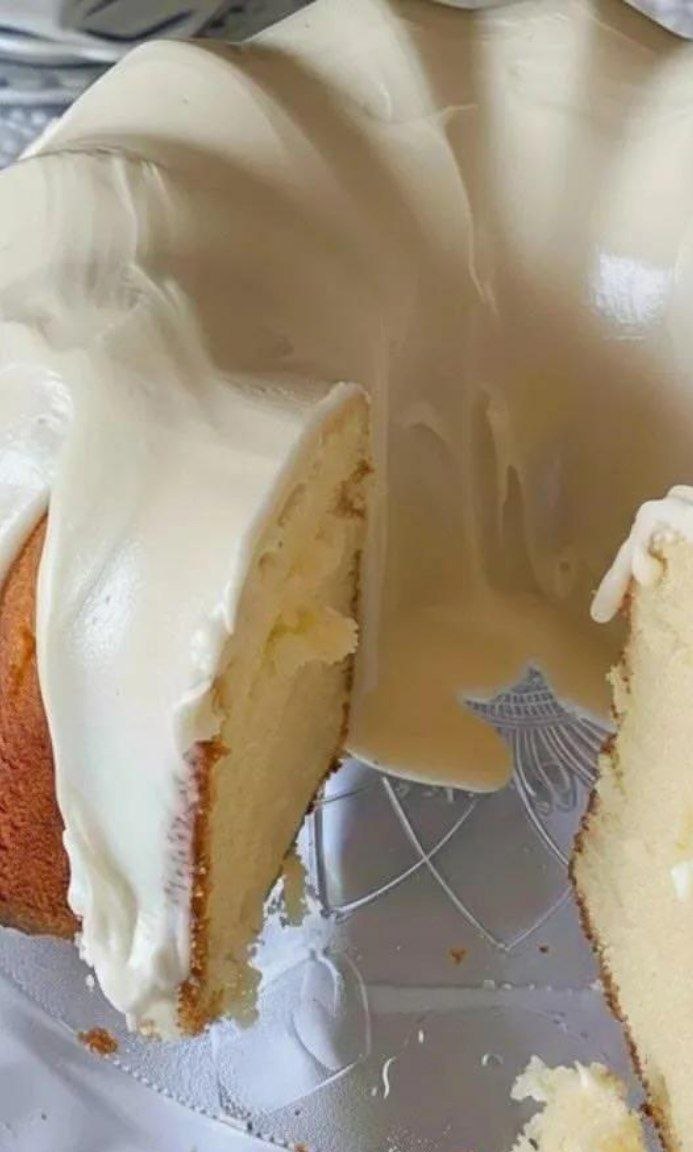
Instructions
- Preheat your oven to 325°F (160°C). Generously grease and flour a 10-12 cup Bundt pan, making sure to get into all the nooks and crannies. Tap out any excess flour.
- In a medium bowl, whisk together the 3 cups of all-purpose flour, baking powder, and salt. Set aside.
- In a large bowl, using an electric mixer on medium speed, cream together the softened butter and granulated sugar until light and fluffy, about 5-7 minutes. This is a crucial step for achieving a tender crumb, so don’t rush it.
- Add the eggs one at a time, beating well after each addition. Scrape down the sides of the bowl as needed to ensure everything is fully incorporated. The mixture may look slightly curdled at this point, which is normal.
- In a small bowl or measuring cup, combine the whole milk and 2 teaspoons of vanilla extract.
- With the mixer on low speed, gradually add the dry ingredients to the wet ingredients, alternating with the milk mixture. Begin and end with the dry ingredients (flour, milk, flour, milk, flour). Mix only until just combined; do not overmix, as this can lead to a tough cake.
- Pour the batter evenly into the prepared Bundt pan. Smooth the top with a spatula.
- Bake for 60-75 minutes, or until a wooden skewer or toothpick inserted into the center of the cake comes out clean. The top should be golden brown and the cake should spring back when lightly touched.
- Remove the cake from the oven and let it cool in the pan on a wire rack for 10-15 minutes. This allows the cake to set and prevents it from sticking when inverted.
- After 10-15 minutes, carefully invert the cake onto the wire rack to cool completely. Do not attempt to glaze the cake while it’s warm, or the glaze will melt and run off.
- While the cake cools, prepare the glaze: In a medium bowl, whisk together the sifted powdered sugar, 1/4 cup whole milk, 1 teaspoon vanilla extract, and 1 tablespoon melted butter until smooth and free of lumps. Adjust the consistency by adding a tiny bit more powdered sugar for a thicker glaze or a few drops more milk for a thinner glaze.
- Once the cake is completely cool, place the wire rack with the cake over a baking sheet (to catch any drips). Slowly pour the glaze over the top of the cake, allowing it to drip down the sides. Let the glaze set for at least 15-20 minutes before slicing and serving.
Cooking Tips and Variations
Room Temperature Ingredients are Key: This cannot be stressed enough! Softened butter creams better with sugar, creating air pockets that lead to a lighter, more tender crumb. Room temperature eggs and milk emulsify more easily into the batter, preventing curdling and ensuring a smooth, uniform texture.
Don’t Overmix: Once you add the flour, mix only until just combined. Overmixing develops the gluten in the flour, resulting in a tough, dry cake. A few small lumps are better than a dense cake.
Properly Grease and Flour Your Pan: This is crucial for a Bundt cake! Use a pastry brush to get into every crevice, then liberally dust with flour. You can also use a baking spray with flour for extra insurance. A stuck cake is a sad cake.
Tap the Pan: After pouring the batter into the Bundt pan, gently tap the pan on your counter a few times. This helps to release any large air bubbles and ensures an even bake.
Variations:
- Lemon Pound Cake: Add the zest of 2-3 lemons to the butter and sugar mixture. For the glaze, substitute lemon juice for half of the milk.
- Orange Pound Cake: Similar to lemon, add the zest of 2-3 oranges to the batter. For the glaze, use orange juice instead of milk.
- Almond Pound Cake: Substitute 1 teaspoon of almond extract for 1 teaspoon of the vanilla extract in the cake. You can also add 1/2 teaspoon of almond extract to the glaze.
- Chocolate Marble: Reserve 1 cup of batter. Melt 2 ounces of unsweetened or semi-sweet chocolate and stir it into the reserved batter. Alternate dollops of vanilla and chocolate batter in the pan, then swirl gently with a knife.
- Spice It Up: Add 1 teaspoon of ground cinnamon and 1/2 teaspoon of ground nutmeg to the dry ingredients for a warm, spiced flavor.
Troubleshooting Dry Cake: The most common culprit for a dry pound cake is overbaking. Keep a close eye on your cake and start checking for doneness at the lower end of the baking time range. An oven thermometer can also help ensure your oven is baking at the correct temperature.
Storage and Reheating
Storage:
Once the glaze has set, “Slap Ya Momma Pound Cake” stores beautifully. Store the cake at room temperature, tightly wrapped in plastic wrap or in an airtight container, for up to 3-4 days. This helps maintain its moisture and prevents it from drying out. For longer storage, you can refrigerate the cake for up to a week, but bring it back to room temperature before serving for the best flavor and texture.
Freezing:
Pound cake freezes exceptionally well, making it perfect for preparing ahead or saving for later. To freeze, ensure the cake is completely cooled and the glaze is fully set. You can freeze the whole cake or individual slices. Wrap the cake tightly in several layers of plastic wrap, then an additional layer of aluminum foil to prevent freezer burn. It can be stored in the freezer for up to 2-3 months. Thaw frozen cake overnight in the refrigerator, then bring to room temperature before serving.
Reheating:
While pound cake is typically served at room temperature, if you desire a slightly warm slice, you can gently reheat it. For individual slices, microwave on a plate for 10-15 seconds, or until just warmed through. Be careful not to overheat, as this can dry out the cake. You can also warm slices in a preheated oven at 250°F (120°C) for about 5-10 minutes, wrapped loosely in foil.
Frequently Asked Questions
Why are my ingredients supposed to be at room temperature?
Using room temperature ingredients, especially butter, eggs, and milk, is crucial for a well-emulsified batter. Softened butter creams better with sugar, incorporating more air and leading to a lighter, more tender crumb. Room temperature eggs and milk blend more smoothly with the fat, preventing the batter from curdling and ensuring a uniform texture throughout the cake.
My pound cake always sinks in the middle. What am I doing wrong?
A sinking pound cake can be caused by several factors. Common culprits include opening the oven door too early during baking, leading to a sudden temperature drop; overmixing the batter, which develops too much gluten and creates a weak structure; or using too much leavening agent (baking powder/soda). Ensure your oven temperature is accurate (an oven thermometer helps!), resist the urge to peek, and mix the batter just until combined.
Can I make this pound cake without a Bundt pan?
Yes, you can! While a Bundt pan gives it that classic elegant shape, you can bake this pound cake in other pans. A 10-inch tube pan (angel food cake pan) works well, or you can use two 9×5-inch loaf pans. Adjust baking time accordingly; loaf pans will likely bake faster (around 50-60 minutes) due to their smaller volume. Always use the toothpick test to confirm doneness.
How do I prevent my pound cake from sticking to the Bundt pan?
Prevention is key! Always generously grease your Bundt pan with solid shortening (like Crisco) or softened butter, making sure to get into all the detailed crevices. Then, lightly flour the pan, tapping out any excess. You can also use a baking spray that contains flour. For extra insurance, after greasing and flouring, you can lightly dust the pan with granulated sugar instead of flour for a slightly crispy, sweet crust.