Instructions
- Preheat your oven to 350°F (175°C). Grease and flour a 10-12 cup Bundt pan thoroughly. Ensure all crevices are coated to prevent sticking.
- In a medium bowl, whisk together the sifted all-purpose flour, baking powder, baking soda, and salt. Set aside.
- In a large bowl, using an electric mixer with the paddle attachment, cream together the softened unsalted butter and granulated sugar on medium speed until light and fluffy, about 3-5 minutes. The mixture should be pale yellow and airy.
- Add the large eggs one at a time, beating well after each addition until fully incorporated. Scrape down the sides of the bowl as needed.
- Beat in the large egg yolk and pure vanilla extract until combined.
- With the mixer on low speed, gradually add about one-third of the dry ingredient mixture to the wet ingredients, mixing until just combined.
- Pour in half of the buttermilk and mix until just incorporated.
- Repeat with another one-third of the dry ingredients, followed by the remaining buttermilk, and finally the last one-third of the dry ingredients. Mix on low speed until the batter is just combined and smooth. Be careful not to overmix; overmixing can lead to a tough cake. The batter should look smooth and pale yellow.
- Pour the batter evenly into the prepared Bundt pan. Gently tap the pan on the counter a few times to release any air bubbles.
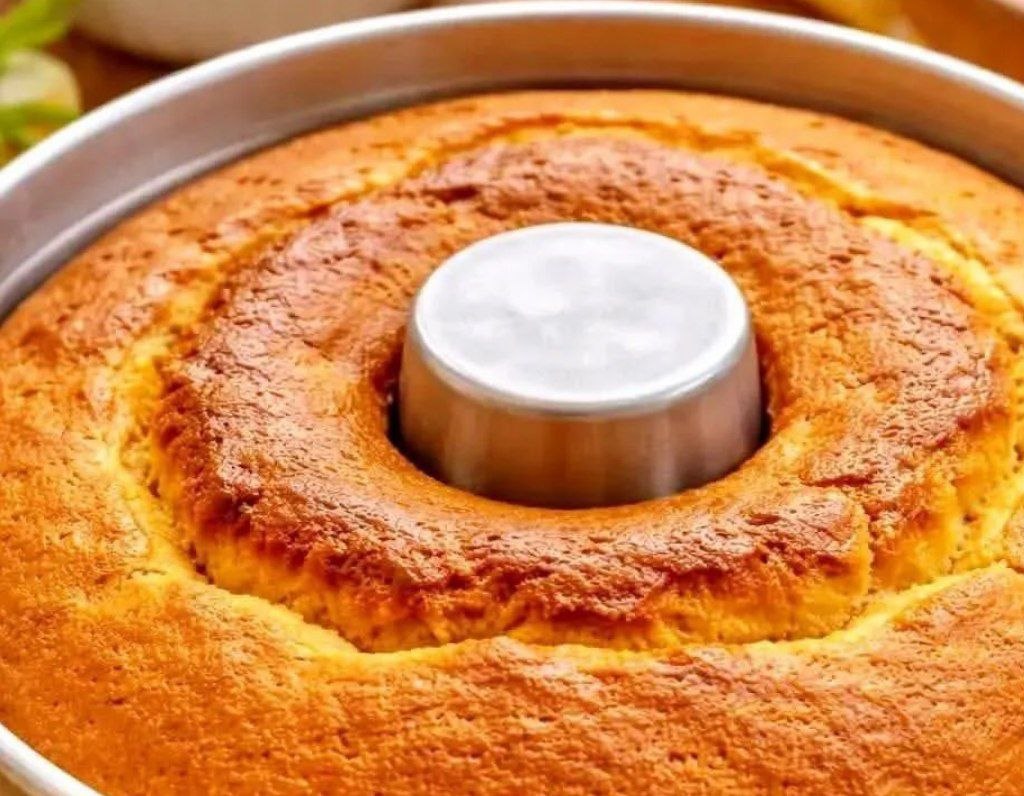
- Bake for 50-60 minutes, or until a wooden skewer or toothpick inserted into the center of the cake comes out clean. The cake should be golden brown and spring back when lightly touched.
- Remove the cake from the oven and let it cool in the pan on a wire rack for 10-15 minutes. This allows the cake to firm up slightly and makes it easier to invert.
- After 10-15 minutes, carefully invert the cake onto the wire rack. Lift the pan to release the cake. Allow the cake to cool completely on the wire rack before slicing and serving.
Cooking Tips and Variations
For the ultimate soft and fluffy cake, ensure all your cold ingredients, especially butter, eggs, and buttermilk, are at room temperature. This allows them to emulsify properly, creating a smoother batter and a more tender crumb. Cold ingredients can cause the batter to curdle and result in a dense cake. Another crucial tip is to avoid overmixing the batter. Once you add the dry ingredients, mix only until they are just combined. Overmixing develops the gluten in the flour, which leads to a tough, chewy cake rather than a tender one. Similarly, accurately measuring your ingredients, especially flour, is vital. Use a kitchen scale for the most precise measurements, or spoon flour into your measuring cup and level it off with a straight edge rather than scooping directly from the bag, which can compact the flour and lead to too much being used.
Properly greasing and flouring your Bundt pan is essential for a clean release. Use softened butter or a baking spray that contains flour. Make sure to get into all the crevices of the pan. For an extra layer of protection, you can lightly dust the floured pan with a tablespoon of granulated sugar, which not only helps with release but also creates a slightly caramelized crust. Always preheat your oven completely before placing the cake inside; a consistently hot oven ensures even baking and proper rising. If your oven temperature tends to fluctuate, consider using an oven thermometer for accuracy. When testing for doneness, a wooden skewer or toothpick inserted into the thickest part of the cake should come out clean, with no wet batter clinging to it. If it comes out with moist crumbs, that’s fine, but not raw batter.
This versatile cake serves as a fantastic base for various flavor enhancements. For a citrusy twist, add 2 tablespoons of lemon or orange zest to the sugar during the creaming stage. This infuses the cake with a bright, aromatic flavor. You can also swap out vanilla extract for almond extract for a nutty depth, or a combination of both. For a spiced cake, incorporate 1 teaspoon of cinnamon and a pinch of nutmeg with the dry ingredients. Chocolate lovers can fold in ½ cup of mini chocolate chips or finely chopped chocolate during the final stages of mixing the batter. To make a marble cake, divide the batter in half and mix 2 tablespoons of unsweetened cocoa powder into one half, then alternate dollops of plain and chocolate batter into the pan and swirl gently with a knife.
For serving, this cake is delightful on its own, perhaps dusted with a simple sprinkle of powdered sugar. However, it also pairs beautifully with a variety of toppings. A light lemon glaze (powdered sugar mixed with lemon juice) adds a tangy sweetness. Fresh berries, such as strawberries, raspberries, or blueberries, offer a burst of freshness and color. A dollop of homemade whipped cream or a scoop of vanilla bean ice cream elevates it to an even more indulgent dessert. You can also drizzle it with a warm chocolate ganache or a caramel sauce for a richer experience. This cake’s robust yet delicate structure makes it perfect for holding up to various accompaniments, making it adaptable for any occasion or craving.
Storage and Reheating
To keep your Soft Homemade Cake fresh and moist, store it properly. Once the cake has cooled completely, which is crucial to prevent condensation, you can store it at room temperature. Place the cake in an airtight container or cover it tightly with plastic wrap. This will protect it from drying out and absorbing odors. Stored at room temperature, the cake will remain fresh for 3-4 days. For longer storage, you can refrigerate the cake. Wrap it securely in plastic wrap and then place it in an airtight container. Refrigerated, the cake will last for up to a week. The plastic wrap helps prevent it from drying out in the cooler environment.
This cake also freezes exceptionally well, making it perfect for meal prep or saving for a future treat. To freeze, ensure the cake is completely cooled. You can freeze it whole, in halves, or in individual slices. Wrap the cake tightly in at least two layers of plastic wrap, followed by a layer of aluminum foil. This double-layer protection helps prevent freezer burn. Place the wrapped cake in a freezer-safe bag or container. Frozen, the cake will maintain its quality for up to 2-3 months. When you’re ready to enjoy it, thaw the cake overnight in the refrigerator, then bring it to room temperature before serving for the best texture and flavor.
Reheating this cake is generally not necessary, as it is best enjoyed at room temperature. However, if you prefer a slightly warm slice, especially if serving with ice cream, you can gently warm individual slices. Place a slice on a microwave-safe plate and microwave on low power for 10-15 seconds. Be careful not to overheat, as this can dry out the cake. Alternatively, you can warm a slice in a preheated oven at 250°F (120°C) for about 5-10 minutes, making sure to cover it loosely with foil to prevent further browning and drying. Always ensure the cake is defrosted if it was frozen before attempting to warm it.
Frequently Asked Questions
What makes this cake so soft and fluffy?
The softness and fluffiness of this cake come from a combination of factors: using room temperature ingredients, which allows for better emulsification and a smoother batter; the precise balance of baking powder and baking soda for optimal lift; and most importantly, not overmixing the batter after adding the flour. Overmixing develops gluten, leading to a tougher texture, while gentle mixing keeps the cake tender and airy.
Can I substitute regular milk for buttermilk?
While buttermilk contributes significantly to the cake’s moisture and tender crumb due to its acidity reacting with baking soda, you can make a substitute if you don’t have it on hand. For 1 cup of buttermilk, combine 1 cup of regular milk (whole or 2%) with 1 tablespoon of lemon juice or white vinegar. Let it sit for 5-10 minutes until it slightly curdles, then use it as directed. The cake might be slightly less tangy, but it will still be delicious.
How do I prevent my Bundt cake from sticking to the pan?
Preventing sticking is crucial for Bundt cakes. The key is thorough greasing and flouring. Use softened butter or a baking spray containing flour, ensuring every crevice of the pan is coated. After greasing, dust the pan with flour, tapping out any excess. For an extra layer of protection, you can even dust with granulated sugar after flouring. Allow the cake to cool in the pan for 10-15 minutes on a wire rack after baking before inverting; this allows the cake to firm up enough to release cleanly without breaking.