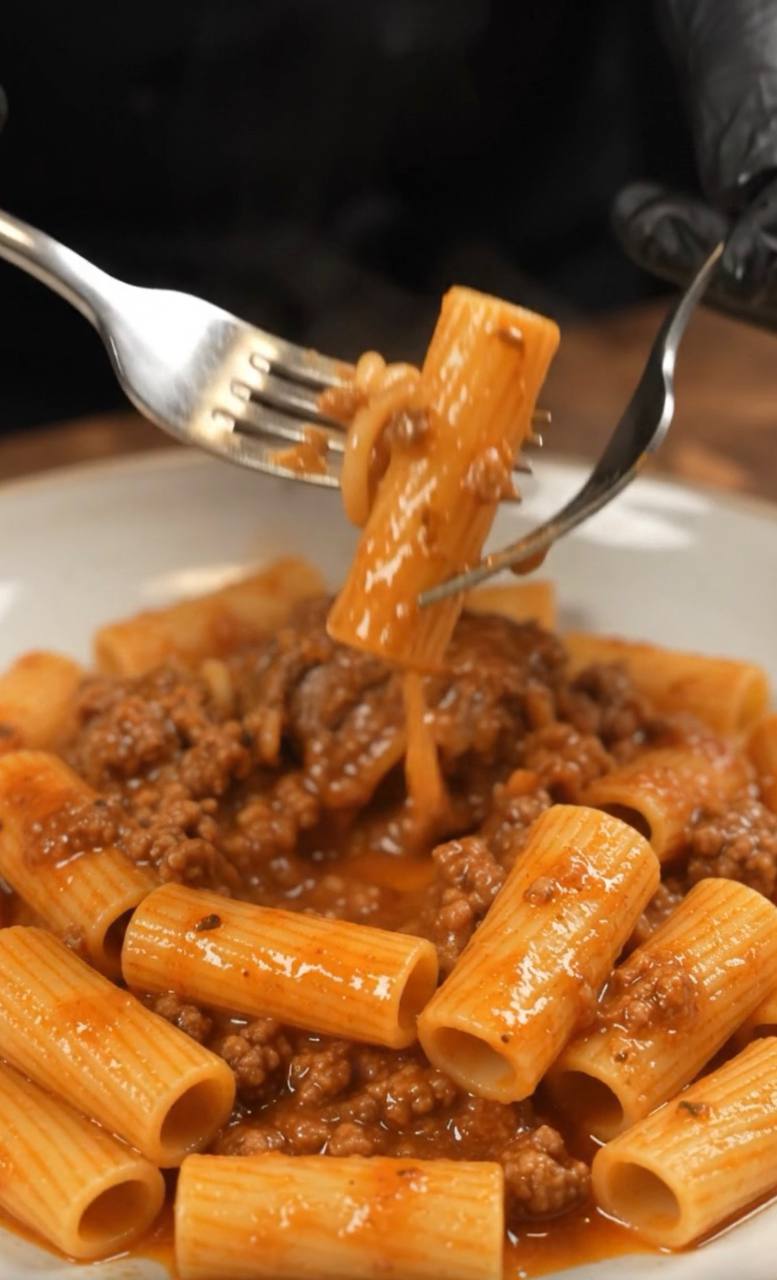
Instructions
- Heat the olive oil in a large, heavy-bottomed pot or Dutch oven over medium-high heat. Add the ground beef and cook, breaking it up with a spoon, until deeply browned on all sides. This step is crucial for developing rich flavor. Drain off any excess fat from the pot, leaving about 1-2 tablespoons.
- Reduce the heat to medium. Add the diced onion, carrots, and celery to the pot. Cook, stirring occasionally, until the vegetables have softened and the onion is translucent, about 8-10 minutes.
- Stir in the minced garlic and cook for another minute until fragrant, being careful not to burn it.
- Pour in the red wine, scraping up any browned bits from the bottom of the pot with a wooden spoon. Bring to a simmer and cook until the wine has almost completely evaporated, about 5-7 minutes. This step concentrates the wine’s flavor.
- Add the crushed tomatoes, diced tomatoes (with their juice), whole milk, beef broth, bay leaves, dried oregano, dried basil, and red pepper flakes (if using) to the pot. Stir everything together well.
- Bring the sauce to a gentle simmer, then reduce the heat to low. Cover the pot, leaving the lid slightly ajar to allow some steam to escape. Simmer for at least 1.5 to 2 hours, or even longer (up to 3 hours), stirring occasionally to prevent sticking. The longer it simmers, the more the flavors will meld and deepen, and the sauce will thicken.
- During the last 30 minutes of simmering, taste the Bolognese and season generously with salt and freshly ground black pepper. Adjust seasonings as needed.
- About 20 minutes before the Bolognese is ready, bring a large pot of salted water to a rolling boil. Add the rigatoni pasta and cook according to package directions until al dente (firm to the bite).
- Before draining the pasta, reserve about 1 cup of the starchy pasta water. Drain the rigatoni thoroughly.
- Add the drained rigatoni directly to the pot with the Bolognese sauce. Toss well to coat the pasta evenly with the sauce. If the sauce seems too thick, add a splash or two of the reserved pasta water until it reaches your desired consistency.
- Remove the bay leaves before serving. Serve the Hearty Rigatoni Bolognese hot, garnished generously with freshly grated Parmesan cheese and chopped fresh parsley or basil, if desired.
Cooking Tips and Variations
For the best Bolognese, patience is key. The long, slow simmer allows the flavors to truly develop and meld. Don’t rush this step, as it’s what transforms a simple meat sauce into a rich, complex ragù. Using a good quality, heavy-bottomed pot or Dutch oven will help distribute heat evenly and prevent scorching during the long cooking time. When browning the meat, ensure it gets a deep, dark crust – this creates a foundational layer of flavor known as the Maillard reaction. If you’re using very lean ground beef, you might need to add a touch more olive oil when sautéing the vegetables.
For an even richer flavor, consider using a mix of ground meats, such as 1/2 pound ground beef and 1/2 pound ground pork, or even a small amount of ground veal. The combination adds complexity and a more traditional Bolognese taste. A splash of full-bodied red wine is crucial for deglazing and adding depth; choose one you wouldn’t mind drinking. If you prefer not to use alcohol, you can substitute an equal amount of beef broth, though the flavor profile will be slightly different. For a vegetarian twist, you can swap the ground meat for finely diced mushrooms and lentils, adjusting the cooking time accordingly.
Don’t be afraid to adjust the seasonings. Taste the sauce throughout the simmering process, especially towards the end. The amount of salt needed can vary depending on the broth and canned tomatoes used. A pinch of nutmeg, added with the milk, is a classic Bolognese addition that adds a subtle warmth and rounds out the flavors beautifully. If you like a little extra kick, increase the red pepper flakes or add a dash of cayenne pepper. Serving your Bolognese with a crusty loaf of bread for dipping into the extra sauce is highly recommended, as is a simple green salad to cut through the richness.
Storage and Reheating
Bolognese is one of those magical dishes that often tastes even better the next day, as the flavors have more time to deepen and meld. To store leftover Bolognese, allow it to cool completely to room temperature. Transfer the sauce to an airtight container and refrigerate for up to 3-4 days. For longer storage, Bolognese freezes exceptionally well. Portion the cooled sauce into freezer-safe containers or heavy-duty freezer bags. It can be frozen for up to 3 months. Thaw frozen Bolognese overnight in the refrigerator before reheating.
When reheating, transfer the desired amount of Bolognese to a saucepan or pot. Reheat gently over medium-low heat, stirring occasionally, until heated through. If the sauce seems too thick, you can add a splash of water, broth, or even a little milk to achieve your desired consistency. Avoid reheating on high heat, as this can cause the sauce to stick to the bottom of the pan or dry out. If reheating a large batch, you can also warm it in the oven in an oven-safe dish covered with foil at 300°F (150°C) for about 20-30 minutes, or until hot. If you have leftover pasta already mixed with the sauce, it can also be reheated gently in a saucepan, adding a little liquid if needed, or in the microwave. Be mindful that pasta can become softer upon reheating, so if you anticipate leftovers, it’s sometimes best to store the sauce and pasta separately and combine just before serving.
Frequently Asked Questions
What’s the difference between Bolognese and a regular marinara sauce?
The primary difference lies in their base and cooking method. Marinara is typically a quick, lighter tomato-based sauce, often vegetarian, with few ingredients like tomatoes, garlic, and herbs. Bolognese, on the other hand, is a rich, slow-cooked meat-based sauce (a ragù) that includes finely diced vegetables (soffritto), wine, milk, and a substantial amount of ground meat, with tomatoes playing a supporting role rather than being the sole focus. Bolognese is simmered for hours to develop its complex, deep flavors and thick, clinging texture.
Can I make Bolognese ahead of time?
Absolutely, and it’s highly recommended! Bolognese is one of those dishes that benefits immensely from being made a day or even two in advance. The flavors have more time to meld and deepen, resulting in an even more delicious sauce. Simply prepare the Bolognese according to the instructions, let it cool, then store it in an airtight container in the refrigerator. Reheat gently on the stovetop when you’re ready to serve, adding a splash of broth or water if needed to adjust the consistency.
What kind of pasta is best for Bolognese?
While tagliatelle is the traditional choice in Bologna due to its broad, flat surface that perfectly captures the rich sauce, other sturdy pasta shapes work wonderfully. Rigatoni, as used in this recipe, is an excellent choice because its large, ridged tubes are ideal for scooping up and holding the thick, hearty sauce. Other good options include pappardelle, fettuccine, or even large shell pasta (conchiglie) that can cradle the meat ragù. Avoid thin, delicate pastas like spaghetti or angel hair, as they tend to get overwhelmed by the robust sauce.