Instructions
- Preheat your oven to 375°F (190°C). Lightly grease a 9×13-inch baking dish or a 2-quart baking dish.
- Prepare the Apple Filling: Peel, core, and slice the apples into 1/2-inch thick pieces. You should have about 6-7 cups of sliced apples.
- In a large bowl, combine the sliced apples, 1/2 cup granulated sugar, 1/4 cup brown sugar, lemon juice, cinnamon, nutmeg, and allspice. Toss gently to coat the apples evenly.
- In a small bowl, whisk together the cornstarch (or flour) with 1/2 cup water or apple juice until smooth. Pour this mixture over the apples and toss again to ensure all apples are lightly coated. This will help thicken the filling.
- Pour the apple mixture into the prepared baking dish, spreading it out evenly.
- Prepare the Cobbler Topping: In a separate medium bowl, whisk together 1 cup all-purpose flour, 1/2 cup granulated sugar, baking powder, and salt.
- Add the cold, cubed butter to the dry ingredients. Using a pastry blender, two knives, or your fingertips, cut the butter into the flour mixture until it resembles coarse crumbs with some pea-sized pieces of butter remaining. This step is crucial for a tender topping.
- In a small bowl or measuring cup, whisk together the milk and vanilla extract.
- Pour the milk mixture into the flour-butter mixture. Stir with a fork just until the dry ingredients are moistened and a soft dough forms. Be careful not to overmix, as this can lead to a tough topping.
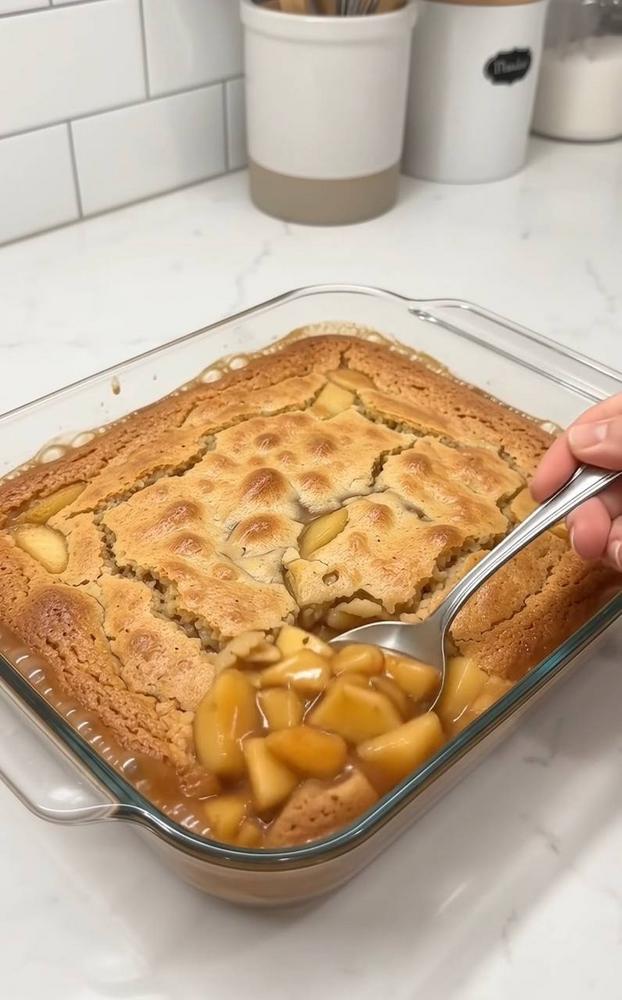
- Drop spoonfuls of the cobbler topping evenly over the apple filling. You don’t need to cover every inch; the topping will spread as it bakes. If desired, sprinkle the top with 1 tablespoon of coarse sugar for added sparkle and crunch.
- Bake the Cobbler: Place the baking dish on a baking sheet (to catch any potential drips) and bake in the preheated oven for 40-50 minutes, or until the topping is golden brown and the apple filling is bubbling vigorously around the edges and appears tender when pierced with a knife.
- Remove from the oven and let it cool for at least 15-20 minutes before serving. This allows the filling to set and prevents it from being too runny.
- Serve warm, ideally with a scoop of vanilla ice cream or a dollop of fresh whipped cream. Enjoy!
Cooking Tips and Variations
For the best apple cobbler, selecting the right apples is paramount. A mix of sweet and tart varieties, such as Granny Smith for tartness and Honeycrisp or Fuji for sweetness and texture, creates a balanced flavor profile and prevents the cobbler from becoming overly sweet or mushy. Avoid apples that break down too easily, like Red Delicious. To ensure your apple filling is perfectly thick and never watery, don’t skimp on the cornstarch or flour; it’s essential for binding the juices released by the apples during baking. If you prefer a richer, more complex flavor, you can sauté the apples briefly in butter before adding them to the baking dish, which also helps to soften them slightly and release some moisture upfront.
When preparing the cobbler topping, the key to a tender, flaky result is to work with cold butter and avoid overmixing the dough. Cold butter creates steam pockets as it melts in the oven, leading to a lighter texture. Overmixing develops the gluten in the flour, resulting in a tough topping. Mix just until the ingredients are combined, and don’t worry if there are a few lumps. For a true crumble variation, you can replace the biscuit-like topping with a streusel made from flour, oats, brown sugar, and melted butter. This offers a different, more crumbly texture. You can also add chopped nuts like pecans or walnuts to either the streusel or the biscuit topping for added crunch and flavor.
Don’t be afraid to experiment with spices! While cinnamon, nutmeg, and allspice are classic, a pinch of ground ginger, cloves, or cardamom can elevate the flavor profile. For an extra touch of warmth, consider adding a splash of bourbon or apple brandy to the apple filling. If you’re not a fan of apples, this recipe is incredibly adaptable to other fruits. Peaches, berries (blueberries, raspberries, blackberries), or a combination of fruits make excellent cobblers. Just adjust the sugar content based on the sweetness of your chosen fruit. For a richer topping, you can brush the unbaked cobbler topping with a little melted butter or an egg wash before sprinkling with coarse sugar; this will enhance its golden-brown color and create a slightly crisper crust.
To prevent a soggy bottom, especially if your apples are particularly juicy, you can lightly pre-bake the apple filling for about 10-15 minutes before adding the topping. Alternatively, a thin layer of crushed vanilla wafers or graham cracker crumbs at the bottom of the dish can absorb excess moisture. Always place your baking dish on a baking sheet while in the oven to catch any overflow from the bubbling filling, which will save you from a messy oven cleanup. Knowing when your cobbler is perfectly baked is crucial. Look for a deeply golden-brown topping and a visibly bubbling filling around the edges of the dish. A knife inserted into the apples should meet little resistance, indicating they are tender. Allowing the cobbler to rest for at least 15-20 minutes after baking is vital; this allows the filling to set properly, preventing it from being too runny when scooped, and lets the flavors meld beautifully.
Storage and Reheating
To store leftover apple cobbler, allow it to cool completely to room temperature. Once cooled, cover the baking dish tightly with plastic wrap or aluminum foil. It can be stored at room temperature for up to 1-2 days, especially in cooler climates. For longer storage, transfer the cobbler to an airtight container and refrigerate for up to 3-4 days. While it’s safe to keep at room temperature for a short period, refrigeration helps maintain its freshness and prevents spoilage, particularly if it contains dairy in the topping or if your kitchen is warm.
When it comes to reheating, there are a few options depending on your preference and time. The best method for reheating cobbler is in the oven. Preheat your oven to 300°F (150°C). Place the cobbler (covered loosely with foil to prevent the topping from over-browning) in the oven for 15-25 minutes, or until it is heated through and the filling is bubbling again. This method helps to crisp up the topping nicely. For a quicker reheat, individual servings can be warmed in the microwave. Place a serving on a microwave-safe plate and heat on medium power for 30-60 seconds, or until warm. Be aware that the microwave will soften the topping, making it less crispy. Avoid reheating multiple times, as this can dry out the cobbler and diminish its flavor and texture. If you have a large amount of leftovers, consider freezing individual portions in airtight containers for up to 2-3 months. Thaw in the refrigerator overnight before reheating in the oven.
Frequently Asked Questions
What kind of apples are best for apple cobbler?
For the best apple cobbler, a mix of sweet and tart apples is ideal. Granny Smith apples are excellent for providing a tart balance and holding their shape well during baking. For sweetness and texture, combine them with varieties like Honeycrisp, Fuji, Gala, or Braeburn. Avoid apples that become too mushy when cooked, such as Red Delicious.
Can I make apple cobbler ahead of time?
Yes, you can prepare parts of the apple cobbler ahead of time. You can peel, core, and slice the apples and toss them with the sugar and spices a day in advance, storing them in an airtight container in the refrigerator. You can also mix the dry ingredients for the topping ahead of time. However, it’s best to assemble and bake the cobbler fresh, as the topping is at its best when baked right before serving. If you want to fully prepare it ahead, bake it, let it cool completely, and then store it as described above, reheating it before serving.
How can I prevent my cobbler from having a soggy bottom?
To prevent a soggy bottom, ensure your apple filling isn’t overly wet. Using cornstarch or flour to thicken the apple juices is crucial. You can also briefly sauté the apples for 5-7 minutes before baking to draw out some moisture, or add a thin layer of crushed vanilla wafers or graham cracker crumbs to the bottom of the baking dish before adding the apples. Additionally, baking at the correct temperature and ensuring the cobbler is fully cooked through will help prevent sogginess.
What’s the difference between an apple cobbler and an apple crumble?
The primary difference lies in the topping. An apple cobbler typically features a topping made from a biscuit-like dough that is dropped onto the fruit filling in spoonfuls, creating a rustic, “cobbled” appearance with a soft, cake-like texture. An apple crumble, on the other hand, has a streusel-like topping made from flour, sugar, butter, and often oats, which is crumbled over the fruit, resulting in a drier, crispier, and more crumbly texture.