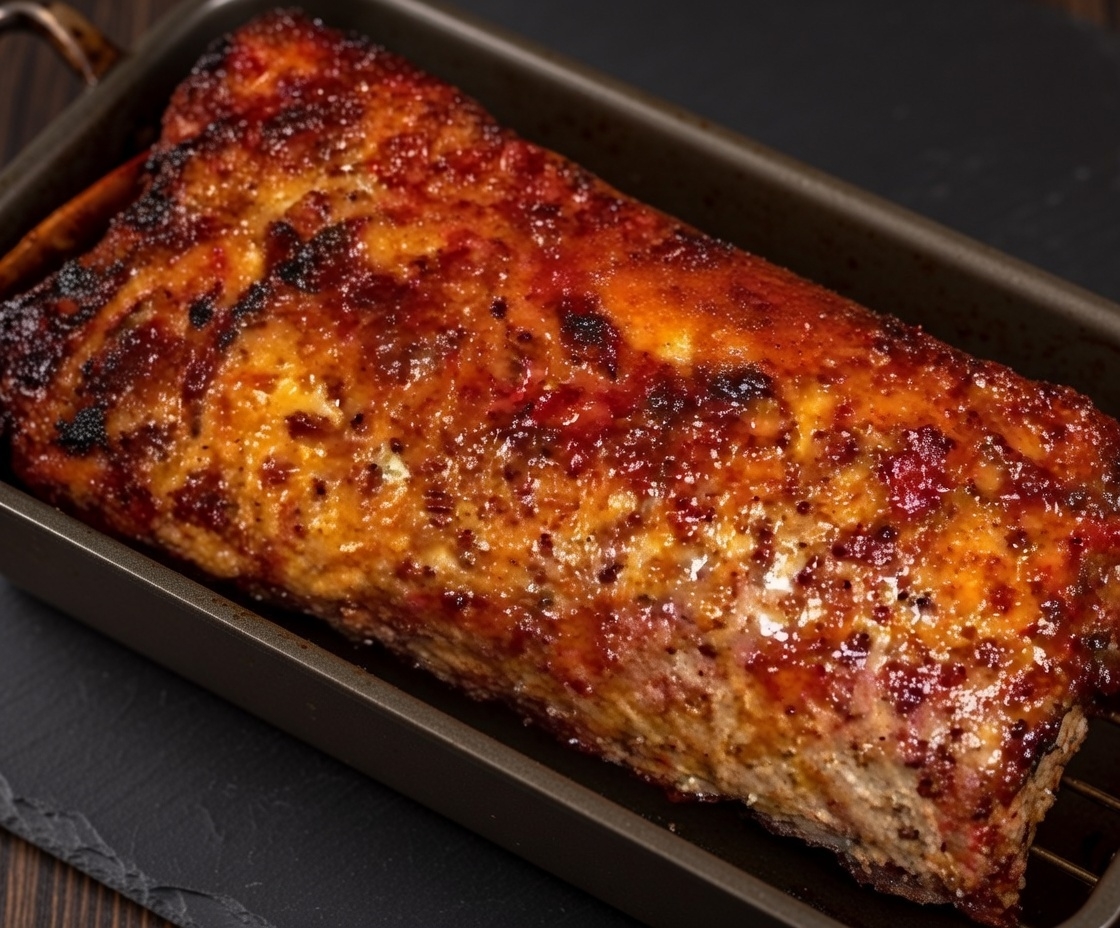
Old South Coca-Cola Pork Loin – The Sweet & Savory Southern Classic You’ll Make Again and Again 🍖🥤
There’s something unforgettable about the smell of a pork loin roasting in the oven—especially when it’s glazed in a rich, caramelized Coca-Cola sauce. This Old South Coca-Cola Pork Loin combines sweet, savory, tangy, and smoky flavors into one beautifully glazed centerpiece that feels both nostalgic and impressive.
If you’ve ever struggled with dry pork loin, uneven seasoning, or bland oven roasts, this recipe solves all of that. The combination of soy sauce, dark brown sugar, Dijon mustard, Worcestershire sauce, ketchup, oil, and Coca-Cola creates a balanced glaze that keeps the meat tender while forming a deep mahogany crust.
Whether you’re cooking for Sunday dinner, meal prep, or a special gathering, this long-form guide will help you cook smarter, choose better ingredients, and avoid common mistakes.
🍴 Why This Coca-Cola Pork Loin Works So Well
At first glance, soda in a savory dish may seem unusual. But the science makes sense.
- Natural sugars in Coca-Cola promote caramelization.
- Acidity helps tenderize the outer layers of the pork.
- Soy sauce and Worcestershire add umami depth.
- Dijon mustard balances sweetness with mild heat.
- Dark brown sugar enhances molasses richness.
Chef Maria Lawson explains: “Using cola in marinades is a Southern tradition because it builds color, sweetness, and complexity without overpowering the natural flavor of pork.”
🛒 Ingredient Breakdown: Quality, Cost & Smart Choices
Choosing the Pork Loin
- Look for a 3–4 lb center-cut pork loin.
- Light pink color with small, even fat marbling.
- Avoid excessive liquid in packaging.
Budget Tip: Pork loin is often cheaper per pound than chicken breast and feeds more people.
Coca-Cola: Regular vs Diet
Always use regular Coca-Cola for proper caramelization. Diet versions do not brown correctly because they lack sugar.
Dark Brown Sugar vs Light
Dark brown sugar contains more molasses, giving the glaze deeper flavor and richer color.
Dijon Mustard Options
Classic Dijon offers smooth acidity. Whole grain mustard adds texture. Yellow mustard can work in a pinch but changes flavor slightly.
🔪 Kitchen Tools That Make a Difference
- Roasting pan with rack (prevents soggy bottom)
- Instant-read meat thermometer
- Silicone basting brush
- Heavy-bottom saucepan (for glaze reduction)
Culinary Instructor James Holloway emphasizes: “The single best investment for roasting meats is a reliable thermometer. Pork should reach 145°F internally for safe, juicy results.”
🔥 Step-by-Step Preparation Method
1️⃣ Prepare the Marinade
In a bowl, whisk together:
- 1/4 cup soy sauce
- 1 cup Coca-Cola
- 1/2 cup dark brown sugar
- 2 tbsp Dijon mustard
- 3 tbsp oil
- 2 tbsp Worcestershire sauce
- 1/3 cup ketchup
2️⃣ Marinate the Pork
Marinate for at least 4 hours, ideally overnight in the refrigerator.
3️⃣ Roast
- Preheat oven to 350°F.
- Place pork on rack in roasting pan.
- Roast 60–90 minutes depending on size.
- Baste every 20 minutes.
- Internal temperature: 145°F.
4️⃣ Rest & Slice
Rest 10–15 minutes before slicing to retain juices.
📊 Nutritional & Ingredient Overview
| Component | Amount | Per Serving (6 oz) | Functional Benefit |
|---|---|---|---|
| Pork Loin | 3–4 lbs | 310 calories | High-quality protein for satiety |
| Coca-Cola | 1 cup | 35 calories (in glaze portion) | Caramelization & flavor balance |
| Dark Brown Sugar | 1/2 cup | 45 calories | Energy & glaze texture |
| Soy Sauce | 1/4 cup | 2g sodium per serving (approx.) | Umami depth |
| Serving Size | 6 oz cooked pork | ~390–420 total calories | Balanced protein-forward meal |
⚖ Homemade vs Store-Bought Glazed Pork
Homemade Advantages
- Control over sugar and sodium
- No preservatives
- Customizable sweetness
- Better texture
Store-Bought Drawbacks
- Often pre-injected with sodium solution
- Artificial flavorings
- Less caramelization control
🍳 Oven vs Air Fryer vs Slow Cooker
Oven (Best Overall)
Even roasting and ideal glaze caramelization.
Air Fryer
Faster, but best for smaller pork sections.
Slow Cooker
Tender results but less caramelized crust.
🥗 Health & Food Safety Tips
Nutritionist Sarah Coleman recommends:
- Pair with roasted vegetables for balance.
- Watch sodium intake if using regular soy sauce.
- Use low-sodium soy sauce if needed.
- Store leftovers within 2 hours of cooking.
- Refrigerate up to 4 days.
- Freeze up to 3 months.
Always reheat to 165°F for food safety.
⚠ Common Mistakes to Avoid
- Overcooking past 160°F (leads to dryness)
- Skipping resting time
- Using diet soda
- Not reducing glaze for thickness
- Over-marinating beyond 24 hours
❓ Frequently Asked Questions
1. Can I use pork tenderloin instead?
Yes, but reduce cooking time significantly.
2. Is this recipe expensive?
No. Pork loin is budget-friendly and feeds multiple people.
3. Can I reduce the sugar?
Yes, reduce brown sugar by 25% if desired.
4. Can I make it ahead?
Yes. Roast and refrigerate; slice before reheating.
5. How do I thicken the sauce?
Simmer marinade separately until reduced.
6. Can I grill it?
Yes, use indirect heat and monitor temperature carefully.
7. What sides pair well?
Mashed potatoes, coleslaw, cornbread, or green beans.
8. Can I use a sugar substitute?
It may affect caramelization and flavor depth.
9. How should I slice it?
Against the grain for tenderness.
10. Where can I find similar comforting recipes?
You can explore more Southern-inspired classics at https://gentplu.com for complementary ideas like baked casseroles and hearty mains.
🍽 Final Thoughts: Cook It Once, Make It Forever
This Old South Coca-Cola Pork Loin isn’t just a recipe—it’s a reminder that simple pantry ingredients can create unforgettable meals. With the right temperature control, smart ingredient choices, and proper resting time, you’ll achieve a glossy, flavorful roast every time.
Cook thoughtfully. Slice carefully. Serve proudly. And most importantly—don’t lose this one.