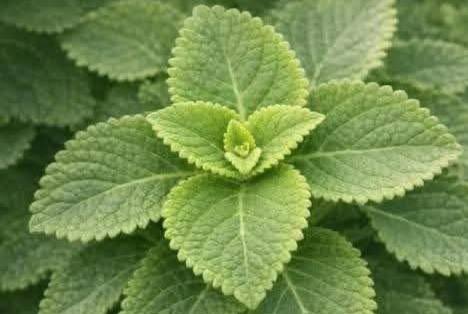
A Scientific Look At Oregano
Introduction
Often hailed as the “pizza herb” or the essence of Mediterranean cuisine, oregano is far more than just a flavorful garnish. This humble herb, with its distinctive pungent and slightly bitter notes, has graced kitchens and apothecaries for centuries. From the sun-drenched hills of Greece to the vibrant markets of Mexico, its presence is a testament to its versatility and profound impact on global gastronomy. But what exactly gives oregano its unique character, and why does it hold such a revered place in our culinary traditions?
In this article, we’re peeling back the layers of mythology and folklore to delve into the fascinating science behind oregano. We’ll explore its rich chemical tapestry, understanding how specific compounds contribute to its robust flavor and aroma. Beyond the kitchen, we’ll uncover the scientific basis for its reported health benefits, examining the compounds responsible for its antioxidant and antimicrobial properties. Prepare to look at your spice rack with a newfound appreciation as we embark on a scientific journey into the heart of oregano.
Whether you’re a seasoned chef, a budding home cook, or simply curious about the natural world, this scientific exploration of oregano will illuminate the intricate details that make this herb truly extraordinary. From its various species to the best practices for growing and cooking with it, we’ll cover it all, inviting you to understand and utilize oregano with greater precision and enjoyment.
Nutritional Information
Per serving (approximate values for 1 teaspoon dried oregano):
- Calories: 5
- Protein: 0.2g
- Carbohydrates: 1g
- Fat: 0.1g
- Fiber: 0.6g
- Sodium: 1mg
Ingredients
While this article focuses on the science of oregano rather than a single recipe, here are the “ingredients” for understanding this remarkable herb:
- Fresh oregano leaves (preferably various species like Greek, Mexican, common)
- Dried oregano (both rubbed and ground)
- Access to scientific literature on carvacrol, thymol, and other phenolic compounds
- Knowledge of basic botany and organic chemistry principles
- A curious mind and a passion for food science