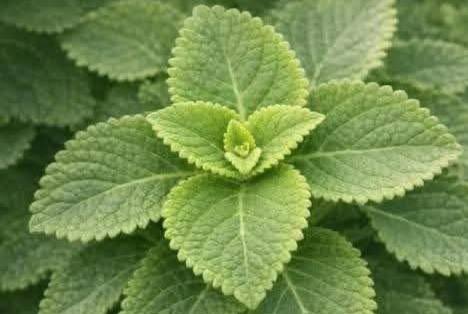
Instructions
To embark on your scientific exploration of oregano, follow these steps:
- Understand the Basics of Oregano: Begin by familiarizing yourself with what oregano is. It belongs to the mint family (Lamiaceae) and its name comes from the Greek words “oros” (mountain) and “ganos” (joy), literally meaning “joy of the mountain.” It’s a perennial herb native to the Mediterranean region, though it’s now cultivated worldwide. Its culinary appeal lies in its aromatic leaves, which are used fresh or dried.
- Explore Oregano Varieties and Their Chemical Compositions: Dive into the different types of oregano. Greek oregano (Origanum vulgare hirtum) is often considered the “true” oregano, known for its robust, peppery flavor, largely due to high concentrations of carvacrol and thymol. Mexican oregano (Lippia graveolens), while not a true oregano botanically, shares a similar flavor profile but often contains higher levels of thymol, giving it a more earthy and citrusy note. Other varieties like common oregano (Origanum vulgare) have milder flavors. Understand that the balance and concentration of these volatile organic compounds (VOCs) are what define each variety’s unique aromatic fingerprint.
- Investigate Growing and Harvesting Principles: Learn about the optimal conditions for cultivating oregano. It thrives in well-draining soil, full sunlight, and a warm climate, mimicking its Mediterranean origins. Discuss how proper harvesting techniques, such as cutting stems before flowering, can maximize the concentration of essential oils in the leaves, thereby enhancing flavor. Explain the process of drying oregano, which concentrates its flavors by removing water while preserving the essential oils.
- Unpack the Science of Oregano in Cooking: Examine how oregano’s chemical compounds behave during the cooking process. Carvacrol and thymol are volatile and can degrade or evaporate with prolonged high heat. This is why oregano is often added towards the end of cooking in many Mediterranean dishes to preserve its vibrant flavor. Conversely, in slow-cooked dishes like sauces, adding it earlier allows its flavors to meld and infuse more deeply, albeit with a less pungent kick. Discuss how oregano’s lipophilic (fat-loving) compounds interact with fats and oils in a dish, allowing its flavors to disperse and be perceived more intensely.
- Delve into the Science of Oregano and Health: Explore the purported health benefits of oregano through a scientific lens. Focus on its antioxidant properties, attributed largely to phenolic compounds like carvacrol and rosmarinic acid, which can neutralize free radicals. Investigate its antimicrobial and antifungal activities, again primarily linked to carvacrol and thymol, which have been shown in vitro to inhibit the growth of various bacteria and fungi. Briefly mention studies on its potential anti-inflammatory and anticancer properties, emphasizing that most research is preliminary and often involves concentrated oregano essential oil, not culinary amounts.
- Synthesize Your Findings: Conclude by bringing together all the scientific insights. Recap how the specific chemical makeup of oregano, particularly its carvacrol and thymol content, dictates its flavor, aroma, and health benefits. Reiterate that different varieties offer distinct experiences due to their varying chemical profiles.
- Encourage Experimentation: End by inspiring readers to apply their newfound scientific understanding. Encourage them to experiment with different oregano varieties in their cooking, to consider when they add oregano to a dish based on the desired flavor intensity, and to appreciate the intricate science behind this common, yet extraordinary, herb.
Cooking Tips and Variations
While we’re not making a specific dish, understanding these tips will enhance your use of oregano:
- Fresh vs. Dried: Fresh oregano has a brighter, slightly more herbaceous and less intense flavor than dried. As a general rule, use one tablespoon of fresh oregano for every teaspoon of dried oregano called for in a recipe.
- Timing is Key: For dishes where you want a strong, fresh oregano flavor, add it towards the end of cooking. For slow-cooked dishes like stews or sauces where you want the flavor to meld and deepen, add it earlier.
- Bloom Dried Oregano: To bring out the full flavor of dried oregano, “bloom” it by briefly toasting it in a dry pan or sautéing it in a little olive oil before adding other ingredients. This releases its volatile oils.
- Experiment with Varieties: Don’t stick to just one type! Try Greek oregano for robust, peppery notes in Mediterranean dishes. Use Mexican oregano for earthy, citrusy undertones in chili, tacos, or other Latin American cuisine.
- Pairing Power: Oregano loves tomatoes, garlic, olive oil, lemon, and lamb. It’s a natural fit for Italian, Greek, and Mexican dishes.
- Make Oregano Oil: Infuse olive oil with fresh oregano for a flavorful dressing or cooking oil. Gently heat olive oil with fresh oregano sprigs for about 30 minutes, then let it cool and steep overnight before straining.
- Grow Your Own: Growing oregano is easy and ensures you always have fresh leaves. It’s a hardy plant that thrives in sunny, well-drained conditions.
Storage and Reheating
Proper storage is crucial for maintaining oregano’s potency, whether fresh or dried:
- Fresh Oregano: Store fresh oregano sprigs like a bouquet of flowers in a glass of water on the counter, or wrap them loosely in a damp paper towel and place them in a plastic bag in the refrigerator’s crisper drawer. It will last for about 1-2 weeks. You can also chop and freeze fresh oregano in ice cube trays with a little water or olive oil for longer storage.
- Dried Oregano: Store dried oregano in an airtight container in a cool, dark place, away from direct sunlight and heat. This preserves its volatile oils and prevents flavor degradation. Properly stored, dried oregano can maintain its potency for 1-3 years. If it loses its aroma, it’s time to replace it.
- Reheating Dishes with Oregano: When reheating dishes containing oregano, be mindful that the flavor can become more concentrated or, conversely, dissipate depending on the reheating method and duration. For best results, gently reheat dishes to avoid overcooking the herb’s delicate compounds. If the oregano flavor seems diminished, a small sprinkle of fresh or freshly bloomed dried oregano can revive it.
Frequently Asked Questions
What is the main compound responsible for oregano’s distinctive flavor?
The primary compound responsible for oregano’s strong, pungent, and slightly peppery flavor is carvacrol. However, thymol also plays a significant role, contributing to its warm, aromatic, and sometimes slightly thyme-like notes. The specific balance and concentration of these two phenolic compounds, along with other minor volatile organic compounds, dictate the nuanced flavor profile of different oregano varieties.
Is there a difference between “true” oregano and Mexican oregano?
Yes, botanically there is a significant difference. “True” oregano refers to species within the Origanum genus, most commonly Origanum vulgare and its subspecies like Origanum vulgare hirtum (Greek oregano). Mexican oregano, on the other hand, belongs to a different genus, Lippia graveolens. While they both offer a similar culinary flavor profile and are used interchangeably in some dishes, their chemical compositions differ, leading to subtle variations in taste. Mexican oregano often has more earthy, citrusy, and sometimes licorice-like notes, partly due to different ratios of carvacrol and thymol, and the presence of other unique compounds.
Does drying oregano affect its flavor and potency?
Drying oregano concentrates its flavor and potency by removing water. While some very subtle, fresh notes might be lost during the drying process, the essential oils containing carvacrol and thymol become more concentrated. This is why you typically use less dried oregano than fresh. Proper drying methods, such as air-drying or using a dehydrator at low temperatures, help preserve these volatile compounds. Conversely, too much heat or light during drying or storage can degrade these compounds, leading to a loss of flavor over time.
What are the primary health benefits associated with oregano from a scientific perspective?
Scientifically, oregano is most noted for its potent antioxidant and antimicrobial properties. Its high concentration of phenolic compounds, particularly carvacrol and rosmarinic acid, are powerful antioxidants that help neutralize harmful free radicals in the body. Additionally, carvacrol and thymol have demonstrated significant antimicrobial and antifungal activity against various pathogens in laboratory settings, suggesting potential benefits in inhibiting the growth of bacteria and fungi. While studies on its anti-inflammatory and anticancer potential are ongoing, most research involves concentrated essential oils rather than typical culinary amounts.