Instructions
- Preheat your oven to 350°F (175°C). Grease and flour a 13×18-inch half-sheet pan.
- In a large mixing bowl, whisk together the flour, granulated sugar, baking soda, and salt. Set aside.
- In a medium saucepan over medium heat, combine the butter, water, and cocoa powder. Bring to a boil, stirring occasionally, then remove from heat.
- Pour the hot butter mixture over the dry ingredients in the large mixing bowl. Stir until just combined.
- In a separate small bowl, whisk together the buttermilk, eggs, and vanilla extract.
- Add the buttermilk mixture to the chocolate batter. Mix until smooth, but do not overmix.
- Pour the batter evenly into the prepared sheet pan.
- Bake for 20-25 minutes, or until a wooden skewer inserted into the center of the cake comes out clean.
- While the cake is baking, prepare the frosting. In a medium saucepan, combine the butter, milk, and cocoa powder. Bring to a boil over medium heat, stirring constantly. Remove from heat.
- Immediately add the sifted powdered sugar and vanilla extract to the hot butter mixture. Whisk vigorously until the frosting is smooth and glossy.
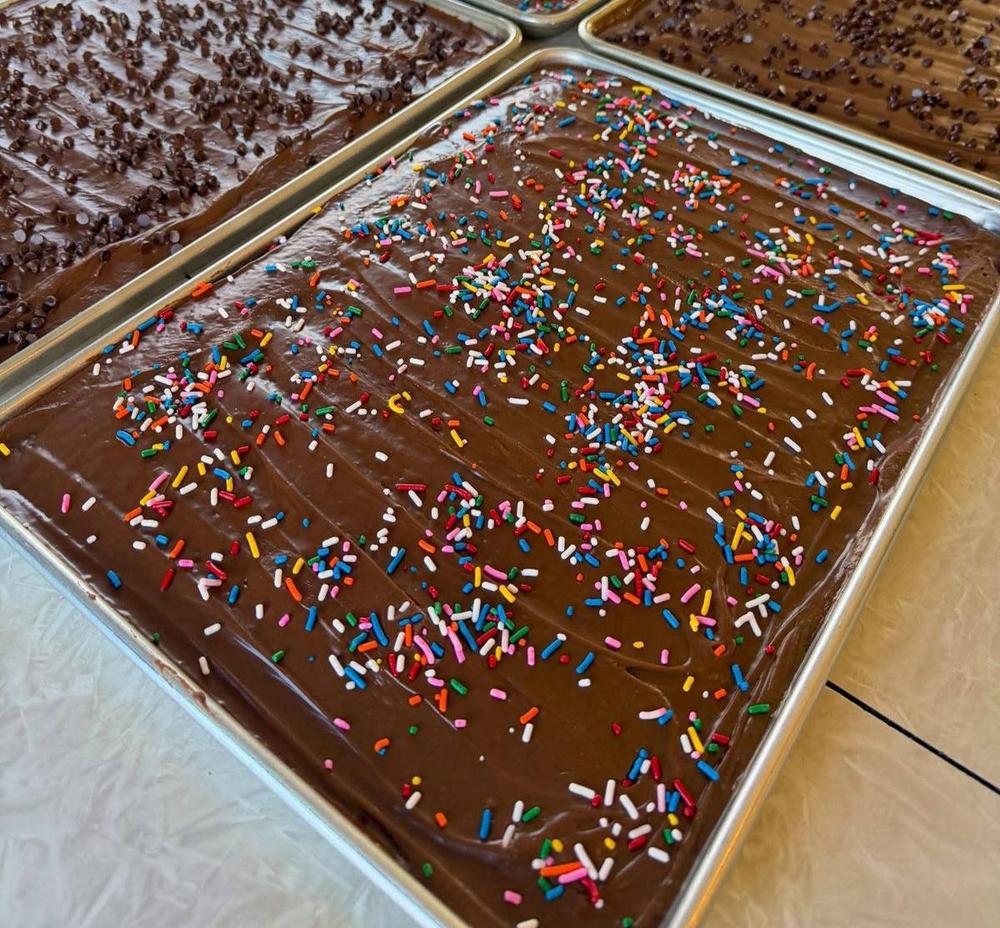
- As soon as the cake comes out of the oven, while it is still warm, carefully pour the warm frosting evenly over the entire surface of the cake. The warmth of the cake will help the frosting spread beautifully and create that signature fudgy texture.
- Immediately after frosting, sprinkle generously with rainbow sprinkles and/or mini chocolate chips, if using. The warm frosting will help them adhere.
- Allow the cake to cool completely on a wire rack before slicing and serving. This will allow the frosting to set properly.
Cooking Tips and Variations
Tips for the Best Texas Sheet Cake
- Don’t Overbake: This is crucial for a moist cake. Start checking for doneness at the 20-minute mark. An overbaked cake will be dry and crumbly.
- Frost While Warm: This is the golden rule of Texas Sheet Cake! Pouring the warm frosting over the warm cake allows it to melt slightly into the cake, creating that incredibly fudgy, slightly absorbed glaze that defines this dessert. If you wait for the cake to cool, the frosting won’t spread as easily or achieve the same texture.
- Sift Powdered Sugar: Sifting the powdered sugar for the frosting is a small step that makes a big difference. It prevents lumps and ensures a silky-smooth, uniform frosting.
- Ingredient Quality: While this is a humble cake, using good quality unsweetened cocoa powder (Dutch-processed or natural) for both the cake and frosting will significantly enhance the deep chocolate flavor.
- Proper Pan Size: A standard 13×18-inch half-sheet pan is ideal for this recipe. Using a smaller pan might result in a thicker cake that takes longer to bake and could overflow, while a larger pan might yield a very thin cake.
- Even Spreading: When pouring the frosting, start from the center and let it naturally spread towards the edges. Use an offset spatula if needed to gently guide it, but avoid overworking it.
- Cool Completely: While tempting to dig in immediately, allowing the cake to cool completely ensures the frosting sets properly and makes for cleaner slices.
Variations
- Nutty Delight: Stir 1 cup of finely chopped pecans or walnuts into the cake batter before baking for a delightful crunch. You can also sprinkle chopped nuts over the frosting along with or instead of sprinkles.
- Coconut Lover’s Dream: Toast 1 cup of shredded coconut and sprinkle it over the warm frosting for a tropical twist.
- Espresso Kick: Add 1 teaspoon of instant espresso powder to the cake batter along with the cocoa powder to deepen the chocolate flavor. It won’t make the cake taste like coffee, but it will enhance the richness of the chocolate.
- Spice It Up: A pinch of cayenne pepper (1/8 teaspoon) added to the cake batter can add a subtle, intriguing warmth that complements the chocolate beautifully.
- Cream Cheese Frosting: For a slightly tangier, richer frosting, you can adapt the frosting by adding 4 ounces of softened cream cheese to the butter, milk, and cocoa mixture before adding the powdered sugar. Adjust powdered sugar as needed for desired consistency.
- Peppermint Twist: During the holidays, add 1/2 teaspoon of peppermint extract to both the cake and the frosting for a festive chocolate-peppermint Texas Sheet Cake. Top with crushed candy canes.
- Boozy Bliss: Replace a tablespoon or two of the milk in the frosting with a shot of Kahlua, Bailey’s, or a chocolate liqueur for an adult-friendly version.
Storage and Reheating
Storage
Texas Sheet Cake is known for its excellent keeping qualities, often tasting even better the day after it’s baked as the flavors meld and the cake becomes even moister.
- Room Temperature: Store leftover Texas Sheet Cake in an airtight container at room temperature for up to 3-4 days. Ensure it’s well-covered to prevent it from drying out.
- Refrigeration: While not strictly necessary, if you live in a very warm climate or prefer your cake chilled, you can store it in an airtight container in the refrigerator for up to 5-7 days. Be aware that refrigeration can sometimes alter the texture of the cake, making it slightly firmer. Allow it to come closer to room temperature before serving for the best flavor and texture.
- Freezing: Texas Sheet Cake freezes exceptionally well, making it perfect for making ahead or enjoying later.
- Unfrosted Cake: Bake the cake, let it cool completely, then wrap it tightly in plastic wrap and then aluminum foil. Freeze for up to 3 months. Thaw overnight in the refrigerator, then frost as directed.
- Frosted Cake: For best results, freeze individual slices. Place slices on a baking sheet and freeze until firm (about 1-2 hours). Once firm, wrap each slice tightly in plastic wrap, then place them in an airtight freezer-safe container or bag. Freeze for up to 1-2 months.
Reheating
Generally, Texas Sheet Cake is best enjoyed at room temperature or slightly warm, but it doesn’t typically require reheating in the traditional sense.
- From Refrigerator: If stored in the refrigerator, remove the cake about 30-60 minutes before serving to allow it to come to room temperature. This will soften the frosting and enhance the cake’s moist texture and flavor.
- From Freezer (Individual Slices): Unwrap frozen slices and let them thaw at room temperature for 1-2 hours, or in the refrigerator overnight.
- Slightly Warm (Optional): If you enjoy a warm cake, you can gently heat individual slices in the microwave for 10-20 seconds. Be careful not to overheat, as this can dry out the cake. The frosting will become very soft and gooey when warmed.
Frequently Asked Questions
Can I use milk instead of buttermilk?
Yes, you can. If you don’t have buttermilk on hand, you can make a substitute by adding 1 tablespoon of white vinegar or lemon juice to a measuring cup, then filling the rest of the cup with regular milk (whole or 2%) until it reaches the 1/2 cup mark. Let it sit for 5-10 minutes until it slightly curdles. This will provide the necessary acidity for the cake’s texture and moisture.
Why is my Texas Sheet Cake dry?
The most common reason for a dry Texas Sheet Cake is overbaking. Keep a close eye on the baking time and start checking for doneness around the 20-minute mark. An oven thermometer can also help ensure your oven is at the correct temperature. Additionally, ensure you’re using the correct amount of wet ingredients, especially the buttermilk, as it contributes significantly to the cake’s moist crumb.
Can I make this cake ahead of time?
Absolutely! Texas Sheet Cake is an excellent make-ahead dessert. It often tastes even better the day after it’s baked, as the flavors have more time to meld and the frosting fully sets. Store it at room temperature in an airtight container for up to 3-4 days. You can also freeze the cake, either unfrosted or in individual frosted slices, for longer storage.
What kind of cocoa powder should I use?
For this recipe, you can use either natural unsweetened cocoa powder or Dutch-processed cocoa powder. Natural cocoa powder (like Hershey’s regular unsweetened) is acidic and reacts with baking soda to provide lift. Dutch-processed cocoa (like Hershey’s Special Dark) is less acidic and provides a darker color and milder flavor. Both will work well, but Dutch-processed might give you a slightly darker, less sharp chocolate flavor. Consistency is key, so use the same type for both the cake and the frosting for a uniform flavor profile.