Instructions
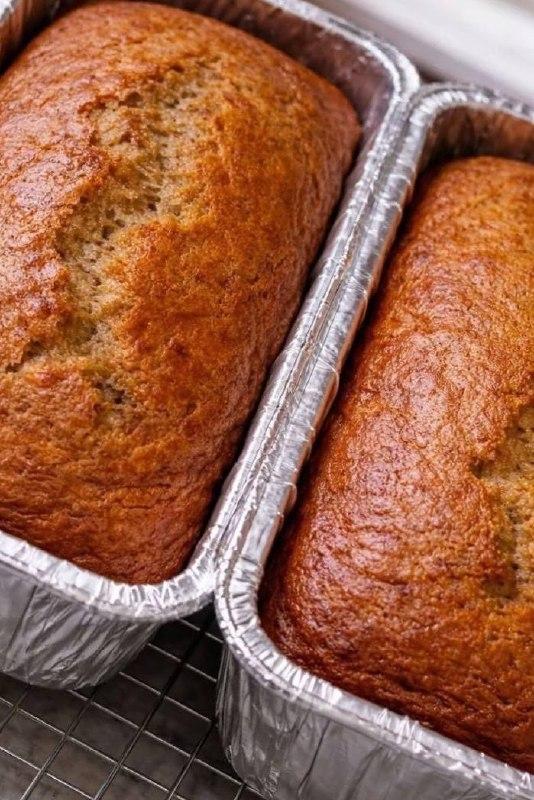
- Preheat Oven and Prepare Pans: Preheat your oven to 350°F (175°C). Grease and flour two 8.5 x 4.5-inch loaf pans, or line them with parchment paper slings, or simply use disposable aluminum loaf pans if preferred.
- Mash Bananas: In a large bowl, mash the ripe bananas with a fork until mostly smooth but with a few small lumps remaining.
- Combine Wet Ingredients: Add the beaten eggs, melted butter (or vegetable oil), and vanilla extract to the mashed bananas. Stir until well combined.
- Combine Dry Ingredients: In a separate medium bowl, whisk together the all-purpose flour, granulated sugar, baking soda, salt, and ground cinnamon (if using). Make sure there are no lumps.
- Combine Wet and Dry: Pour the dry ingredients into the wet ingredients. Mix with a spatula or wooden spoon just until combined. Be careful not to overmix; a few streaks of flour are okay. Overmixing can lead to a tough banana bread.
- Fold in Add-ins (Optional): If using chocolate chips, nuts, or shredded coconut, gently fold them into the batter until evenly distributed.
- Fill Pans: Divide the batter evenly between the two prepared loaf pans. If desired, sprinkle the tops with turbinado sugar for a lovely crunchy crust.
- Bake: Place the pans in the preheated oven. Bake for 50-65 minutes, or until a wooden skewer or toothpick inserted into the center of the loaf comes out clean or with moist crumbs attached, but no wet batter. If the tops start to brown too quickly, you can loosely tent them with aluminum foil.
- Cool: Once baked, remove the loaves from the oven and let them cool in the pans on a wire rack for 10-15 minutes.
- Remove from Pans: After cooling slightly, carefully invert the loaves onto the wire rack to cool completely. This prevents the bottom from becoming soggy.
- Serve: Slice and enjoy your delicious homemade banana bread once it has cooled completely.
Cooking Tips and Variations
- The Right Bananas Are Key: For the best flavor and sweetness, use very ripe bananas. They should have plenty of brown spots or even be mostly brown. The riper they are, the sweeter and more fragrant your banana bread will be.
- Don’t Overmix the Batter: This is crucial for a tender crumb. Mix the wet and dry ingredients just until they are combined. Overmixing develops gluten, which can make your banana bread tough and chewy instead of moist and tender.
- Check for Doneness Properly: A toothpick inserted into the center should come out clean or with a few moist crumbs attached. If it comes out with wet batter, it needs more time. If it comes out completely dry, it might be slightly overbaked, but still delicious.
- Room Temperature Ingredients: Eggs at room temperature emulsify better with other ingredients, leading to a smoother, more uniform batter.
- Moisture Boost: If your bananas aren’t super ripe, or you just want an extra moist loaf, you can add 1-2 tablespoons of sour cream or plain Greek yogurt to the wet ingredients.
- Flavor Variations:
- Spiced Banana Bread: Increase cinnamon to 1 teaspoon and add 1/4 teaspoon nutmeg or allspice.
- Chocolate Chip Banana Bread: Stir in 1/2 to 1 cup of your favorite chocolate chips (semi-sweet, milk, or dark) with the dry ingredients.
- Nutty Banana Bread: Add 1/2 to 1 cup of chopped walnuts or pecans for a delightful crunch. Toasting the nuts lightly before adding enhances their flavor.
- Coconut Banana Bread: Fold in 1/2 cup of shredded coconut for a tropical twist.
- Streusel Topping: For an extra special touch, combine 1/4 cup flour, 2 tablespoons brown sugar, 1/4 teaspoon cinnamon, and 2 tablespoons cold butter (cut into small pieces). Mix with your fingers until crumbly, then sprinkle over the batter before baking.
- Mini Loaves or Muffins: This recipe can easily be adapted for mini loaf pans (reduce baking time to 30-40 minutes) or muffins (bake for 18-22 minutes).
- Preventing Sinking Add-ins: If you’re adding chocolate chips or nuts and find they tend to sink to the bottom, toss them lightly with a tablespoon of flour before adding them to the batter. This helps them stay suspended.
Storage and Reheating
Proper storage is essential to keep your banana bread fresh and delicious. This recipe makes two loaves, so you’ll likely want to store one for later or share it!
- Room Temperature: Once completely cooled, wrap the banana bread tightly in plastic wrap or aluminum foil, or store it in an airtight container. It will stay fresh at room temperature for 2-3 days. The plastic wrap helps to seal in the moisture.
- Refrigeration: While not strictly necessary, if you live in a very warm or humid climate, or want to extend its shelf life slightly, you can refrigerate banana bread. Wrap it tightly to prevent it from drying out. It will last for up to a week in the refrigerator.
- Freezing: Banana bread freezes beautifully! This is an excellent option if you’ve made two loaves or want to enjoy it over a longer period.
- Whole Loaf: Ensure the loaf is completely cooled. Wrap it tightly in plastic wrap, then an additional layer of aluminum foil. Place it in a freezer-safe bag. It can be frozen for up to 3-4 months.
- Slices: For easy portioning, slice the cooled loaf and then wrap individual slices in plastic wrap before placing them in a freezer-safe bag or container. This allows you to grab just one slice at a time.
- Thawing: To thaw, simply remove from the freezer and let it sit at room temperature for a few hours (for slices) or overnight (for a whole loaf).
- Reheating:
- Microwave: For a quick warm-up, microwave individual slices for 15-30 seconds until warm and soft.
- Oven: For a whole loaf or multiple slices, wrap in foil and heat in a preheated oven at 300°F (150°C) for 10-15 minutes, or until warmed through. This method helps to restore some of the fresh-baked texture.
Frequently Asked Questions
Why are overripe bananas so important for banana bread?
Overripe bananas are crucial for several reasons. As bananas ripen, their starches convert to sugars, making them much sweeter and more flavorful. They also become softer and easier to mash, incorporating smoothly into the batter and contributing significantly to the bread’s moistness. Using under-ripe bananas will result in a less flavorful, drier, and potentially tougher banana bread.
Can I use frozen bananas for this recipe?
Absolutely! Frozen bananas are perfect for banana bread. When bananas start to get too ripe, simply peel them and store them in a freezer-safe bag or container. When you’re ready to bake, thaw them completely at room temperature or in the microwave. They will release a lot of liquid, which you should drain off before mashing. The texture will be very soft, making them incredibly easy to mash.
My banana bread came out dry, what went wrong?
There are a few common culprits for dry banana bread. The most frequent cause is overmixing the batter, which develops gluten and results in a tough, dry texture. Another reason could be overbaking; baking for too long at too high a temperature can evaporate too much moisture. Ensure you’re using very ripe bananas for maximum moisture, and measure your flour accurately (too much flour will also absorb excess moisture).
How can I tell if my banana bread is fully cooked?
The best way to check for doneness is to insert a wooden skewer or toothpick into the center of the loaf. It should come out clean or with a few moist crumbs clinging to it. If it comes out with wet batter, it needs more time. Also, the top of the loaf should be golden brown and spring back lightly when gently pressed. If the top is browning too quickly but the inside isn’t done, loosely tent the loaf with aluminum foil for the remainder of the baking time.