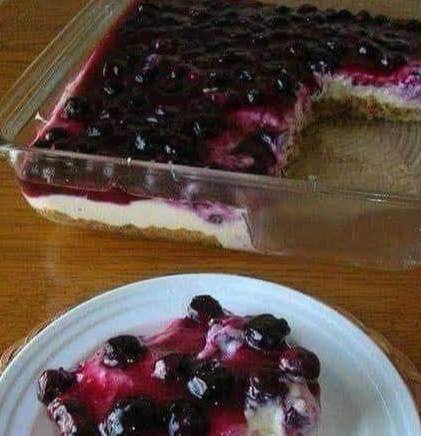
Instructions
Step 1: Prepare the Crust
- Preheat your oven to 350°F (175°C).
- In a medium bowl, combine the graham cracker crumbs and ¼ cup granulated sugar. Stir well to mix.
- Pour the melted butter over the crumb mixture. Stir with a fork until all the crumbs are moistened and resemble wet sand.
- Press the mixture evenly into the bottom of a 9-inch springform pan. Use the bottom of a glass or your fingers to compact the crust firmly.
- Bake the crust for 8-10 minutes, or until lightly golden brown. This helps set the crust and prevents it from becoming soggy.
- Remove the crust from the oven and place it on a wire rack to cool completely while you prepare the filling. Reduce oven temperature to 325°F (160°C).
Step 2: Make the Cheesecake Filling
- In a large bowl, using an electric mixer (stand mixer with paddle attachment or hand mixer) on medium-low speed, beat the softened cream cheese until smooth and creamy, about 2-3 minutes. Ensure there are no lumps.
- Gradually add the 1 ½ cups granulated sugar to the cream cheese, beating until just combined and smooth. Do not overmix.
- Add the all-purpose flour and mix on low speed until just incorporated.
- Stir in the vanilla extract and lemon zest (if using).
- Add the whole eggs one at a time, beating on low speed until just combined after each addition. Scrape down the sides of the bowl as needed.
- Add the egg yolks one at a time, mixing on low speed until just combined after each addition. Again, avoid overmixing.
- Finally, gently fold in the sour cream until just incorporated. Be careful not to incorporate too much air into the mixture, as this can lead to cracks in the cheesecake. The mixture should be smooth and uniform.
Step 3: Prepare for Baking (Water Bath Method)
- Wrap the bottom and sides of your springform pan tightly with several layers of heavy-duty aluminum foil. This is crucial to prevent water from seeping into the pan during the water bath.
- Pour the cheesecake filling over the cooled graham cracker crust in the prepared springform pan.
- Place the foil-wrapped springform pan into a larger roasting pan.
- Carefully pour hot water into the roasting pan, ensuring the water level comes about halfway up the sides of the springform pan.
Step 4: Bake the Cheesecake
- Carefully transfer the roasting pan with the cheesecake to the preheated 325°F (160°C) oven.
- Bake for 60-75 minutes, or until the edges are set but the center (about 2-3 inches in diameter) still jiggles slightly when gently shaken. The internal temperature should register 150°F (65°C) when tested with an instant-read thermometer.
- Once baked, turn off the oven but leave the cheesecake inside with the oven door ajar for 1 hour. This slow cooling process helps prevent cracking.
- After 1 hour, remove the cheesecake from the oven and the water bath. Carefully unwrap the foil.
- Let the cheesecake cool completely on a wire rack at room temperature for another 1-2 hours.
- Once cooled to room temperature, cover the cheesecake loosely with plastic wrap and refrigerate for at least 6 hours, or preferably overnight, for the best texture and flavor.
Step 5: Make the Blueberry Topping
- In a medium saucepan, combine the blueberries, ½ cup granulated sugar, and lemon juice.
- Cook over medium heat, stirring occasionally, until the sugar dissolves and the blueberries begin to burst and release their juices, about 5-7 minutes.
- In a small bowl, whisk together the cornstarch and cold water until smooth.
- Pour the cornstarch slurry into the simmering blueberry mixture, stirring constantly.
- Continue to cook, stirring, for another 1-2 minutes, or until the topping thickens to your desired consistency. It should be thick enough to coat the back of a spoon.
- Remove from heat and let the blueberry topping cool completely to room temperature. It will thicken further as it cools.
Step 6: Assemble and Serve
- Once the cheesecake is thoroughly chilled and the blueberry topping is cool, carefully run a thin knife around the edge of the springform pan before releasing the sides.
- Transfer the cheesecake to a serving plate.
- Pour the cooled blueberry topping evenly over the top of the cheesecake.
- Slice with a sharp, warm knife (run under hot water and wipe dry between slices for clean cuts) and serve immediately.
Cooking Tips and Variations
Achieving a perfect blueberry cheesecake is all about attention to detail and a few clever tricks. One of the most common anxieties for cheesecake bakers is preventing cracks. The water bath method, as outlined in the instructions, is your best friend here. It creates a moist, even heat environment that helps the cheesecake bake slowly and prevents the edges from setting too quickly and pulling away from the center. Additionally, allowing the cheesecake to cool slowly in the turned-off oven with the door ajar is crucial. Drastic temperature changes are a primary cause of cracks, so patience during the cooling process will be rewarded with a beautiful, unblemished surface.
For the crust, ensuring your graham cracker crumbs are finely crushed and thoroughly mixed with the melted butter is key. Pressing the crust firmly into the pan will prevent it from crumbling when sliced. If you prefer a different type of crust, you can substitute digestive biscuits, shortbread cookies, or even Oreo cookies (for a chocolate twist) for the graham crackers. Just maintain the 1 ½ cup crumb to ½ cup butter ratio.
When preparing the cheesecake filling, always make sure your cream cheese, eggs, and sour cream are at room temperature. This ensures they blend smoothly and evenly, preventing lumps and creating that signature silky texture. Overmixing the batter, especially after adding the eggs, can incorporate too much air, leading to a “soufflé-like” texture that can later collapse and crack. Beat on low speed and only until ingredients are just combined.
The blueberry topping is incredibly versatile. While fresh blueberries are fantastic, frozen blueberries work just as well – just don’t thaw them before cooking. You can adjust the sweetness of the topping to your preference; if your blueberries are very tart, you might add a little more sugar. For extra flavor, consider adding a pinch of cinnamon or a tiny dash of almond extract to the blueberry topping. If you’re not a fan of blueberries, this recipe is easily adaptable to other fruits. Try a raspberry, cherry, or mixed berry topping using the same method. You could also add a touch of orange zest to the cheesecake filling for a brighter, citrusy note that pairs wonderfully with blueberries.
A final tip for a truly pristine slice: always chill your cheesecake thoroughly. An under-chilled cheesecake will be soft and difficult to slice cleanly. Overnight refrigeration is ideal, allowing the cheesecake to fully set and firm up, resulting in perfectly clean, impressive slices every time.
Storage and Reheating
Proper storage is essential for maintaining the freshness, texture, and flavor of your blueberry cheesecake. Once the cheesecake has been baked, cooled, and chilled, it should always be kept refrigerated. For the best quality, cover the cheesecake loosely with plastic wrap or aluminum foil, or store it in an airtight container. This prevents it from absorbing odors from other foods in the refrigerator and keeps it from drying out. Stored correctly, blueberry cheesecake will remain fresh and delicious for 3-5 days in the refrigerator. We do not recommend leaving cheesecake at room temperature for more than 2 hours, especially after it has been sliced, due to the dairy content.
Cheesecake is typically served chilled, so reheating is generally not recommended as it can alter the delicate texture and cause it to become watery or rubbery. If you prefer a slightly less cold slice, you can remove a slice from the refrigerator about 15-20 minutes before serving to allow it to come closer to room temperature, which can enhance some of the flavors. However, avoid warming it in a microwave or oven. The beauty of cheesecake lies in its cool, creamy consistency.
For longer storage, blueberry cheesecake freezes remarkably well. To freeze, ensure the cheesecake is completely cooled and chilled, preferably without the blueberry topping applied yet (you can make the topping fresh when you’re ready to serve). If the topping is already on, that’s fine too, but the texture of the berries might be slightly softer after thawing. Wrap the entire cheesecake (or individual slices for convenience) tightly in several layers of plastic wrap, followed by a layer of aluminum foil. This double layer protects against freezer burn. Frozen cheesecake can be stored for up to 1 month. To thaw, transfer the wrapped cheesecake to the refrigerator and let it thaw slowly overnight. Once thawed, you can apply fresh blueberry topping if you froze it separately. Enjoy within 2-3 days after thawing.
Frequently Asked Questions
Why did my cheesecake crack?
Cheesecake cracks are a common issue, often caused by sudden temperature changes or overbaking. Baking in a water bath helps maintain a moist environment and even heat, reducing the risk. Additionally, allowing the cheesecake to cool slowly in the oven with the door ajar after baking, and then gradually at room temperature before chilling, prevents rapid temperature shifts that can lead to cracking. Overmixing the batter, which incorporates too much air, can also contribute to cracks as the cheesecake deflates during cooling.
Can I use frozen blueberries for the topping?
Absolutely! Frozen blueberries work perfectly for the topping and do not need to be thawed before cooking. In fact, using them frozen can sometimes help create a slightly thicker sauce more quickly because the cold berries cool the mixture slightly, allowing the cornstarch to activate more efficiently. Just proceed with the recipe as written, adding the frozen blueberries directly to the saucepan.
How do I know when my cheesecake is done baking?
The key to a perfectly baked cheesecake is to look for a set edge with a slightly wobbly center. When you gently jiggle the springform pan, the outer 2-3 inches of the cheesecake should appear set, while the very center should still have a slight jiggle, like gelatin. The internal temperature should ideally reach 150°F (65°C). The cheesecake will continue to set as it cools and chills in the refrigerator, so it’s better to slightly underbake than overbake.