Instructions
- Prepare the Blueberries: If using fresh blueberries, gently rinse them under cool water and pick through them to remove any stems or bruised berries. If using frozen blueberries, there’s no need to thaw them beforehand; they can go straight into the blender.
- Combine Ingredients in Blender: Place the prepared blueberries into a high-speed blender. Add 1.5 cups of the filtered water. If you plan to add a sweetener or lemon juice, you can add half of it now.
- Blend Until Smooth: Secure the lid on your blender and blend on high speed until the mixture is completely smooth. This usually takes about 1-2 minutes. You want to ensure there are no large chunks of blueberry remaining. The mixture will be thick and pulpy at this stage.
- Adjust Consistency (and Sweetness/Tartness): Open the blender and assess the consistency. If it’s too thick for your liking, add the remaining 0.5 cup of water gradually, blending briefly after each addition, until you reach your desired juice-like consistency. Now is also the time to taste the juice. If it’s too tart, add the remaining sweetener, one tablespoon at a time, blending after each addition until it reaches your preferred sweetness level. If it tastes a bit flat, add the remaining lemon juice for a touch of brightness.
- Strain (Optional, for smoother juice): For a pulpy juice, you can skip this step. For a smoother, clearer juice, place a fine-mesh sieve over a large bowl or pitcher. Pour the blended blueberry mixture into the sieve. Use a spoon or spatula to gently press the pulp against the sieve, extracting as much liquid as possible. Discard the remaining pulp (or save it for baking!). Repeat this process in batches if necessary, depending on the size of your sieve.
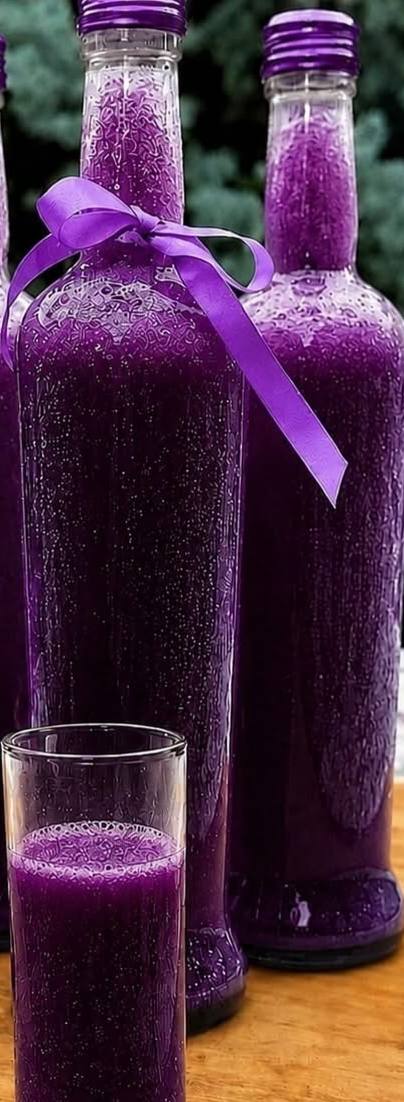
- Chill and Serve: Transfer the finished blueberry juice to a pitcher or sealable bottles. Refrigerate for at least 1-2 hours, or until thoroughly chilled. Serve cold, over ice if desired, and garnish with fresh blueberries or a lemon slice.
Cooking Tips and Variations
For the freshest and most vibrant flavor, always opt for ripe, high-quality blueberries. If buying fresh, look for plump, firm berries with a dusty bloom. For frozen, choose brands that don’t add sugar or other additives. The type of water you use can subtly impact the taste; filtered water is always recommended for a cleaner flavor profile. When blending, start with less water and gradually add more until you reach your preferred consistency. Some people enjoy a thicker, more smoothie-like juice, while others prefer a thinner, more traditional juice. Don’t be afraid to experiment! If you’re using a high-powered blender, you’ll get a very fine pulp, which some people enjoy drinking as is for the added fiber. If your blender isn’t as robust, or if you simply prefer a perfectly smooth juice, straining is key. A nut milk bag can also be used for a more efficient straining process than a fine-mesh sieve.
To vary this recipe, consider adding other fruits or herbs. A handful of raspberries or blackberries blended with the blueberries can add complexity and a deeper berry flavor. For a tropical twist, a slice of fresh pineapple or a small piece of mango can work wonders. A few fresh mint leaves or a sprig of basil blended in can introduce a surprisingly refreshing herbaceous note. For a citrusy kick beyond lemon, try a squeeze of lime or even a hint of orange juice. Spices like a tiny pinch of cinnamon or a sliver of fresh ginger can also elevate the flavor profile, especially if you’re serving the juice warm or as part of a spiced beverage. For an extra dose of nutrients, a small amount of spinach or kale can be blended in; the strong blueberry color will often mask the green hue. When it comes to sweeteners, options are endless. Agave nectar or stevia can be used for a lower-glycemic option, or you can omit sweetener entirely if your blueberries are naturally very sweet. For a fizzy drink, mix your finished blueberry juice with sparkling water or club soda.
Storage and Reheating
Homemade blueberry juice is best enjoyed fresh, but it can be stored in the refrigerator for a few days without significant loss of flavor or nutrients. To store, pour the chilled juice into airtight containers or bottles. Glass bottles are ideal as they don’t absorb odors or flavors and help maintain the cold temperature. Make sure the containers are completely full to minimize air exposure, which can lead to oxidation and a decrease in freshness. Properly stored, your blueberry juice will last for 3-4 days in the refrigerator. After this time, it might start to lose some of its vibrant color and fresh taste, though it will still be safe to consume for a day or two longer. Always give it a good shake or stir before serving, as some of the pulp may settle at the bottom.
Freezing blueberry juice is an excellent option for longer-term storage. Pour the juice into freezer-safe containers, leaving a little headspace to allow for expansion. You can also freeze it in ice cube trays, then transfer the frozen cubes to a freezer bag. This is particularly convenient for adding a splash of blueberry flavor to smoothies, cocktails, or simply thawing a single serving. Frozen blueberry juice will retain its quality for up to 3 months. To thaw, simply transfer it to the refrigerator overnight, or for quicker defrosting, place the container in a bowl of cool water. Reheating blueberry juice is not typically recommended as it’s primarily enjoyed as a cold, refreshing drink. However, if you’re using it as a base for a warm spiced beverage or a mulled drink, you can gently heat it on the stovetop over low heat, being careful not to boil it, which can diminish its fresh flavor and nutrient content. For a warm drink, add spices like cinnamon sticks or star anise during heating.
Frequently Asked Questions
Can I use frozen blueberries for this recipe?
Absolutely! Frozen blueberries work wonderfully and are often more convenient. There’s no need to thaw them beforehand; you can add them directly to the blender. Using frozen blueberries can also result in a colder, thicker juice without the need for ice.
Do I have to strain the juice?
Straining is entirely optional and depends on your preference. If you enjoy a thicker, pulpy juice with more fiber, you can skip the straining step. For a smoother, clearer juice, straining through a fine-mesh sieve or a nut milk bag is recommended.
What if my blueberries aren’t very sweet?
The sweetness of blueberries can vary. If your blueberries are on the tart side, you can easily adjust the sweetness of the juice by adding more maple syrup, honey, or agave nectar to taste. Start with a small amount and add more gradually until you reach your desired sweetness.
Can I make a large batch of blueberry juice?
Yes, you can easily scale this recipe up to make a larger batch. Simply multiply the ingredients proportionally. For larger batches, it’s especially useful to have a powerful blender and a large sieve or nut milk bag for efficient processing. Remember to store any excess juice properly in airtight containers in the refrigerator or freezer.