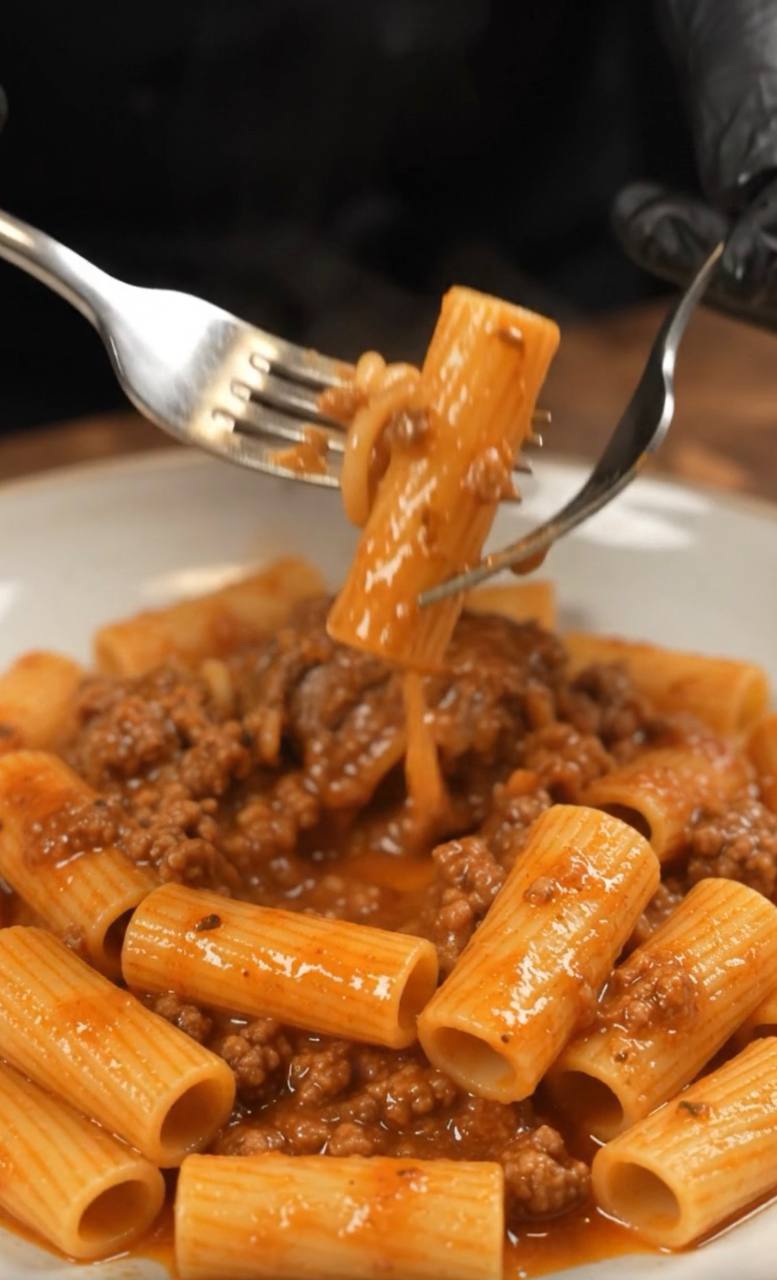
Instructions
- Heat the olive oil in a large skillet or Dutch oven over medium-high heat. Add the ground beef and cook, breaking it up with a spoon, until thoroughly browned and no pink remains. Drain any excess fat from the skillet.
- Add the chopped onion, carrots, and celery to the skillet with the browned beef. Cook for 8-10 minutes, stirring occasionally, until the vegetables have softened.
- Stir in the minced garlic and cook for another minute until fragrant.
- Transfer the beef and vegetable mixture to a 6-quart or larger slow cooker.
- Add the crushed tomatoes, tomato sauce, tomato paste, beef broth, and red wine (if using) to the slow cooker. Stir well to combine all ingredients.
- Add the dried oregano, dried basil, red pepper flakes (if using), bay leaves, salt, and black pepper to the slow cooker. Stir everything together thoroughly to ensure the seasonings are evenly distributed.
- Cover the slow cooker and cook on LOW for 6-8 hours or on HIGH for 3-4 hours, or until the sauce is rich, thick, and the flavors have fully melded. The longer it cooks on LOW, the deeper the flavor will be.
- About 30 minutes before you plan to serve, bring a large pot of salted water to a rolling boil. Add the rigatoni pasta and cook according to package directions until al dente.
- Before draining the pasta, reserve about 1 cup of the starchy pasta water. Drain the rigatoni thoroughly.
- Remove the bay leaves from the slow cooker sauce. Add the drained rigatoni directly to the slow cooker with the meat sauce. Stir gently to coat the pasta evenly with the sauce. If the sauce appears too thick, add a splash or two of the reserved pasta water until it reaches your desired consistency.
- Serve immediately in bowls, garnished generously with fresh chopped parsley and grated Parmesan cheese.
Cooking Tips and Variations
For the best flavor, don’t skip browning the ground beef and sautéing the aromatics before adding them to the slow cooker. This crucial step develops a depth of flavor through the Maillard reaction that simply boiling the meat in the sauce won’t achieve. Ensure the meat is well-browned and any excess fat is drained to prevent a greasy sauce. When sautéing the vegetables, allow them to soften thoroughly; this releases their natural sweetness and contributes significantly to the sauce’s body and flavor.
While the recipe calls for lean ground beef, you can experiment with a mix of meats for an even richer, more complex sauce. A combination of ground beef, pork, and even a little ground veal, often referred to as a “soffritto” mix, is traditional in many Italian meat sauces and adds layers of nuanced flavor. If you prefer a lighter sauce, ground turkey or chicken can be used, but you might want to add a bit more olive oil or a slice of bacon to the pan when browning to compensate for the lower fat content and enhance the richness.
The optional red wine in the recipe is highly recommended. It adds a wonderful depth and acidity that brightens the sauce and balances the richness of the meat and tomatoes. If you prefer not to use alcohol, you can substitute it with an equal amount of beef broth or even a splash of balsamic vinegar for a similar acidic lift. For an extra touch of richness, especially if you’re a fan of authentic Bolognese, stir in a quarter cup of whole milk or heavy cream during the last hour of cooking. This addition tenderizes the meat further and adds a creamy mouthfeel to the sauce.
Don’t be afraid to adjust the seasonings to your preference. Taste the sauce towards the end of the cooking time and add more salt, pepper, or herbs as needed. A pinch of sugar can help balance the acidity of the tomatoes if they taste a bit tart. For a vegetarian variation, you can substitute the ground beef with an equal amount of finely chopped mushrooms, lentils, or a plant-based ground “meat” alternative. Sauté them with the vegetables to build flavor before adding to the slow cooker. This dish is also incredibly versatile with pasta shapes; while rigatoni is excellent for capturing the sauce, penne, ziti, or even wide egg noodles would work wonderfully. Always cook your pasta al dente and consider tossing it directly with the sauce in the slow cooker for optimal coating and flavor absorption.
Storage and Reheating
This slow cooker meat sauce is excellent for meal prepping and freezes beautifully. To store leftovers, allow the sauce and pasta to cool completely before transferring them to airtight containers. If you anticipate having a lot of leftovers, it’s often best to store the sauce and the cooked pasta separately. This prevents the pasta from becoming mushy and allows you to cook fresh pasta when you’re ready to enjoy the sauce again. Properly stored in the refrigerator, the sauce will keep for up to 3-4 days. Cooked pasta will last for about 2-3 days.
For longer storage, the meat sauce (without the pasta) can be frozen. Ladle the cooled sauce into freezer-safe bags or containers, leaving a little headspace if using rigid containers, as liquids expand when frozen. Label with the date. The sauce can be frozen for up to 3 months. When you’re ready to use it, thaw the sauce overnight in the refrigerator, then gently reheat on the stovetop over medium-low heat until simmering, stirring occasionally. If frozen with pasta, the texture of the pasta might be slightly softer upon reheating, but it will still be delicious. For best results with frozen sauce, cook fresh pasta when serving.
To reheat refrigerated leftovers, you have a few options. For individual portions, the microwave works well: place the pasta and sauce in a microwave-safe bowl, cover loosely, and heat in 1-minute intervals, stirring in between, until hot. For larger quantities, transfer the pasta and sauce to a pot or skillet and reheat over medium-low heat on the stovetop, stirring frequently, until heated through. If the sauce seems a bit dry or thick, add a splash of water, broth, or even a little milk to loosen it up. Always ensure the food is heated to an internal temperature of 165°F (74°C) before serving to ensure food safety.
Frequently Asked Questions
Can I make this dish ahead of time for a party?
Absolutely! This slow cooker meat sauce is an ideal make-ahead dish, perfect for entertaining. The flavors actually deepen and improve overnight in the refrigerator. Prepare the sauce completely in the slow cooker, let it cool, and then refrigerate it. On the day of your party, gently reheat the sauce on the stovetop or back in the slow cooker on a “warm” setting. Cook fresh rigatoni just before serving and combine with the hot sauce. This allows you to enjoy your guests without being stuck in the kitchen.
What if my slow cooker sauce is too thin or too thick?
If your sauce is too thin, you have a few options. You can remove the lid for the last hour of cooking to allow some moisture to evaporate. Alternatively, you can mix a tablespoon of cornstarch with an equal amount of cold water to create a slurry, then stir it into the simmering sauce in the slow cooker during the last 30 minutes of cooking. If the sauce is too thick, simply stir in a splash of beef broth, water, or even the reserved pasta cooking water until it reaches your desired consistency. Remember, the sauce will thicken slightly when it cools.
Can I add vegetables other than onion, carrot, and celery?
Yes, you can certainly add other vegetables to enhance the flavor and nutritional value of the sauce. Finely chopped bell peppers (red or green) or mushrooms are excellent additions that blend well with the meat and tomato base. You can sauté them along with the initial mirepoix (onion, carrot, celery) before adding to the slow cooker. Just be mindful not to overcrowd the slow cooker, as this can affect the cooking time and consistency of the sauce. Spinach or kale can also be stirred in during the last 30 minutes of cooking for a boost of greens.
What kind of red wine is best for this recipe?
For this meat sauce, a dry red wine like Merlot, Cabernet Sauvignon, or Chianti works wonderfully. You don’t need an expensive bottle; a good quality, inexpensive table wine will suffice. The key is to use a wine that you would enjoy drinking, as its flavor will concentrate in the sauce. Avoid sweet wines. The alcohol cooks out during the long simmer, leaving behind a complex, fruity, and acidic note that greatly enhances the overall depth of the sauce. If you don’t have red wine, a dry white wine like Pinot Grigio can also be used in a pinch, though it will impart a slightly different flavor profile.