Instructions
- Prepare the Short Ribs: Pat the short ribs thoroughly dry with paper towels. This is crucial for achieving a good sear. Season them generously on all sides with 2 teaspoons of kosher salt and 1 teaspoon of black pepper.
- Sear the Short Ribs: Heat 2 tablespoons of olive oil in a large Dutch oven or a heavy-bottomed oven-safe pot over medium-high heat until shimmering. Working in batches to avoid overcrowding the pot, sear the short ribs on all sides until deeply browned and caramelized, about 3-5 minutes per side. Overcrowding will steam the meat instead of searing it, so be patient. Remove the seared ribs from the pot and set them aside on a plate.
- Sauté Aromatics: Reduce the heat to medium. Add the chopped onions to the same pot, adding a splash more olive oil if needed. Sauté the onions, stirring occasionally, until they are softened and caramelized, about 8-10 minutes. This caramelization adds a deep sweetness to the gravy base.
- Add Garlic and Deglaze: Add the minced garlic to the pot and cook for another minute until fragrant, being careful not to burn it. Pour in the red wine, scraping the bottom of the pot with a wooden spoon to loosen any browned bits (fond). This deglazing step is vital for incorporating all the rich flavors from the searing process into the sauce. Let the wine simmer for 2-3 minutes, allowing most of the alcohol to cook off.
- Build the Braising Liquid: Stir in the beef broth, Worcestershire sauce, fresh thyme sprigs, and bay leaves. Bring the liquid to a gentle simmer.
- Braise the Short Ribs: Carefully return the seared short ribs to the pot, ensuring they are mostly submerged in the liquid. The liquid should come up about two-thirds of the way up the ribs. If not, add a little more beef broth.
- Oven Braising: Preheat your oven to 325°F (160°C). Cover the Dutch oven tightly with its lid. Transfer the pot to the preheated oven and braise for 2.5 to 3.5 hours, or until the short ribs are incredibly tender and easily pull apart with a fork. The cooking time can vary depending on the size and thickness of your ribs.
- Prepare the Mushroom Gravy Base: Once the short ribs are tender, carefully remove them from the pot and transfer them to a clean plate. Tent with foil to keep warm. Remove and discard the thyme sprigs and bay leaves from the braising liquid.
- Cook the Mushrooms: In a separate large skillet, melt 1 tablespoon of butter over medium-high heat. Add the sliced mushrooms and cook, stirring occasionally, until they are golden brown and have released their liquid, about 5-7 minutes. Season with a pinch of salt and pepper.
- Thicken the Gravy: Skim any excess fat from the surface of the braising liquid in the Dutch oven. In a small bowl, melt the remaining 1 tablespoon of butter. Whisk in the 2 tablespoons of all-purpose flour to create a roux. Cook the roux for 1 minute, stirring constantly. Gradually whisk the roux into the simmering braising liquid in the Dutch oven.
- Combine and Simmer Gravy: Add the cooked mushrooms to the gravy. Bring the gravy to a gentle simmer, stirring frequently, until it thickens to your desired consistency, about 5-10 minutes. If the gravy is too thick, add a little more beef broth; if it’s too thin, simmer for a few more minutes. Taste and adjust seasoning with salt and pepper as needed.
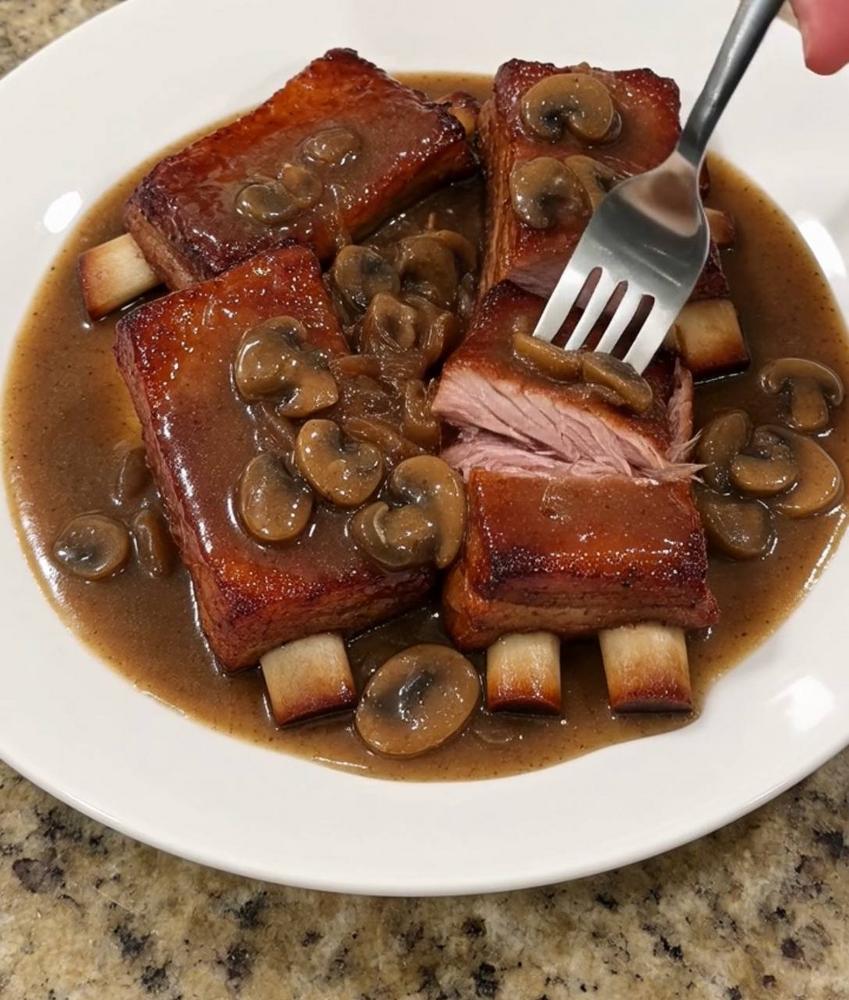
- Serve: Carefully return the braised short ribs to the pot with the mushroom gravy, or place the short ribs on a serving platter and generously spoon the mushroom gravy over them. Garnish with fresh chopped parsley, if desired. Serve immediately with your chosen accompaniments.
Cooking Tips and Variations
Achieving the Best Sear: Don’t underestimate the power of a good sear. It’s not just for color; it creates a deep, complex flavor profile known as the Maillard reaction. Ensure your short ribs are very dry before searing and don’t overcrowd the pan. Work in batches if necessary, and resist the urge to move the meat until a beautiful brown crust has formed.
Patience is Key: Braising is a slow cooking method that rewards patience. The long, low-temperature cooking time is what breaks down the tough connective tissues in the short ribs, transforming them into incredibly tender, fall-apart meat. Don’t rush the process; allow the ribs to cook until they are truly fork-tender. If they still feel tough, they simply need more time.
Skimming Fat: After braising, the liquid will likely have a layer of fat on top. For a cleaner, less greasy gravy, carefully skim off as much of this fat as possible before thickening the sauce. A ladle or a fat separator works well for this. Alternatively, you can chill the braising liquid overnight, and the fat will solidify on top, making it easy to remove.
Adjusting Gravy Consistency: If your gravy is too thick, simply whisk in a little more warm beef broth or water until it reaches your desired consistency. If it’s too thin, you can simmer it gently for a few more minutes to reduce, or create a cornstarch slurry (1 tablespoon cornstarch mixed with 2 tablespoons cold water) and slowly whisk it into the simmering gravy until it thickens.
Make Ahead for Enhanced Flavor: Braised dishes often taste even better the next day, as the flavors have more time to meld and deepen. You can braise the short ribs, cool them, and refrigerate them in their liquid overnight. The next day, remove the solidified fat, gently reheat the ribs and liquid, then proceed with making the gravy. This also makes entertaining much easier.
Variations for Flavor:
- Root Vegetables: For added depth and nutrition, you can add chopped carrots and celery (a classic mirepoix) along with the onions in step 3.
- Herbs: Experiment with other fresh herbs like rosemary or sage. Add them along with the thyme and bay leaves.
- Balsamic or Red Wine Vinegar: A splash of balsamic vinegar or red wine vinegar (about 1-2 tablespoons) added with the beef broth can brighten the flavor of the gravy and add a touch of acidity to balance the richness.
- Different Mushrooms: While cremini mushrooms are excellent, consider a mix of wild mushrooms (shiitake, oyster, porcini) for a more complex earthy flavor in your gravy.
- Smoked Paprika: A teaspoon of smoked paprika added with the garlic can lend a lovely smoky undertone to the dish.
Serving Suggestions: These short ribs are fantastic with creamy mashed potatoes, polenta, or even a rich risotto. For a lighter accompaniment, consider roasted root vegetables, steamed green beans, or asparagus.
Storage and Reheating
Storage: Allow the braised short ribs and gravy to cool completely before storing. Transfer them to an airtight container. They can be stored in the refrigerator for up to 3-4 days. This dish is also excellent for freezing. Place the short ribs and gravy in a freezer-safe container or heavy-duty freezer bags. It can be frozen for up to 2-3 months. Thaw frozen short ribs in the refrigerator overnight before reheating.
Reheating:
- Stovetop: The best method for reheating is on the stovetop. Place the short ribs and gravy in a Dutch oven or heavy-bottomed pot over medium-low heat. Stir occasionally, gently warming until heated through. If the gravy has thickened too much, you can add a splash of beef broth or water to loosen it.
- Oven: For reheating larger portions or if you prefer the oven, place the short ribs and gravy in an oven-safe dish, cover it tightly with foil, and heat in a preheated oven at 300°F (150°C) for 20-30 minutes, or until thoroughly warmed.
- Microwave: For individual servings, the microwave can be used. Place a serving of short ribs and gravy in a microwave-safe dish, cover loosely, and heat in 1-minute intervals, stirring in between, until hot. Be careful not to overheat, as this can dry out the meat.
Frequently Asked Questions
What kind of short ribs should I buy for braising?
For braising, English-cut short ribs are generally preferred. These are typically cut parallel to the bone, resulting in thick, meaty blocks of beef with a single bone in each piece. They have a good amount of marbling and connective tissue, which breaks down beautifully during slow cooking, yielding incredibly tender meat. Flanken-cut ribs, which are cut across the bone in thinner strips, are better suited for grilling or quick cooking.
Can I make this dish without red wine?
Yes, you can absolutely make this dish without red wine. If you prefer not to use alcohol, simply substitute the red wine with an equal amount of additional beef broth. The flavor profile will be slightly different, but the dish will still be rich and delicious. You could also use a non-alcoholic red wine substitute or a splash of balsamic or red wine vinegar for a touch of acidity.
Why are my short ribs still tough after braising for hours?
If your short ribs are still tough, it almost always means they simply need more time to cook. Braising is all about breaking down the tough connective tissues in the meat, which takes time and consistent low heat. Continue braising them, checking every 30 minutes or so, until they are truly fall-apart tender. Ensure your pot is tightly covered to prevent moisture loss, and that your oven temperature is accurate. Sometimes, the cooking time can extend beyond the recipe’s estimate, especially for larger or thicker cuts of meat.
How can I make the gravy thicker or thinner?
To make the gravy thicker, you can either simmer it uncovered for a longer period, allowing it to reduce, or create a cornstarch slurry. For a slurry, whisk together 1 tablespoon of cornstarch with 2 tablespoons of cold water, then gradually whisk it into the simmering gravy until it reaches your desired consistency. For a thinner gravy, simply whisk in a little more warm beef broth or water until it’s just right. Always adjust seasoning after making consistency changes.