Instructions
- Prepare the Vegetables: Begin by prepping all your vegetables. Core and roughly chop the cabbage into bite-sized pieces. Dice the onion, carrots, and celery. Mince the garlic. Having everything ready before you start cooking streamlines the process.
- Sauté the Aromatics: Heat the olive oil in a large stockpot or Dutch oven over medium heat. Add the chopped onion and cook, stirring occasionally, until softened and translucent, about 5-7 minutes.
- Add Garlic and Other Vegetables: Stir in the minced garlic, diced carrots, and celery. Cook for another 3-5 minutes, stirring frequently, until the vegetables begin to soften slightly and the garlic is fragrant. Be careful not to burn the garlic.
- Introduce the Cabbage and Spices: Add the chopped cabbage to the pot. It might seem like a lot, but it will cook down significantly. Stir in the dried dill, dried thyme, and smoked paprika. Stir well to coat the vegetables with the spices. Cook for 5-7 minutes, stirring occasionally, until the cabbage starts to wilt and reduce in volume.
- Pour in Broth and Tomatoes: Pour in the canned diced tomatoes (undrained) and the vegetable broth. Add the bay leaf. Stir everything together, ensuring the cabbage is mostly submerged in the liquid.
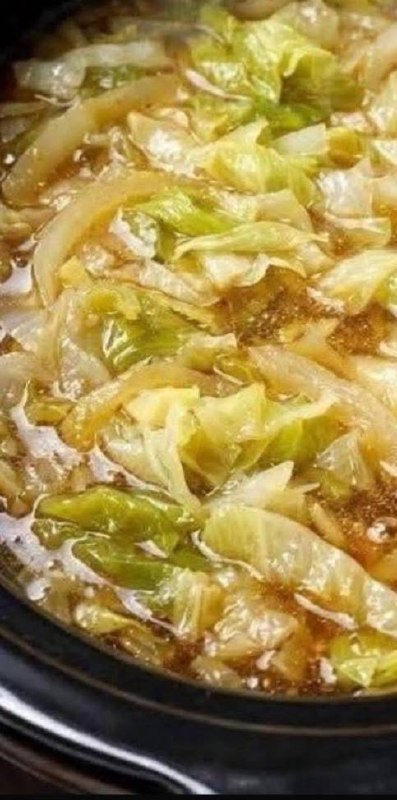
- Simmer to Perfection: Bring the soup to a boil over medium-high heat. Once boiling, reduce the heat to low, cover the pot, and let it simmer for at least 30-40 minutes, or until the cabbage and other vegetables are very tender. The longer it simmers, the more the flavors will meld and deepen.
- Season and Finish: Remove the bay leaf before serving. Taste the soup and season generously with salt and freshly ground black pepper. Adjust seasonings as needed. If using, stir in fresh chopped parsley just before serving, or use it as a garnish for individual bowls. For a little heat, add a pinch of red pepper flakes during the simmering stage or to individual servings.
Cooking Tips and Variations
Achieving the perfect cabbage soup involves a few key techniques and understanding how to build flavor. Firstly, don’t rush the sautéing of your aromatics – properly softening the onions and garlic creates a sweet, savory base that will infuse the entire soup. For the cabbage, aim for tender-crisp rather than mushy; while it needs to be cooked through, overcooking can lead to a less appealing texture. The type of broth you choose significantly impacts the final flavor profile. Vegetable broth keeps it light and vegetarian, chicken broth adds a mild savory note, and beef broth lends a richer, heartier depth. Always taste and adjust seasonings throughout the process; salt and pepper are crucial for bringing out the best in your ingredients.
This recipe is incredibly adaptable, making it perfect for customization. For a weight-loss friendly version, stick to the vegetable-only base and use low-sodium broth. If you prefer a heartier meal, consider adding lean ground meat (beef, turkey, or chicken) browned and drained before adding the onions, or stir in a cup of cooked barley, quinoa, or diced potatoes during the last 20 minutes of simmering. For an extra boost of protein and fiber, a can of rinsed and drained cannellini beans or kidney beans can be added along with the broth. To introduce a spicy kick, a pinch of red pepper flakes or a dash of hot sauce works wonders. A tangy twist can be achieved by stirring in a splash of apple cider vinegar or lemon juice right before serving, which brightens all the flavors. Don’t be afraid to experiment with other vegetables too; diced bell peppers, green beans, or even a handful of spinach at the very end can add more color and nutrients. Fresh herbs like dill or parsley are excellent garnishes, but dried herbs like oregano or marjoram can also be incorporated during the simmering stage.
Storage and Reheating
Cabbage soup is a fantastic candidate for meal prepping, as its flavors tend to deepen and improve overnight. Allow the soup to cool completely to room temperature before transferring it to airtight containers. It can be stored in the refrigerator for up to 4-5 days. For longer storage, cabbage soup freezes beautifully. Pour the cooled soup into freezer-safe containers or heavy-duty freezer bags, leaving about an inch of headspace to account for expansion. It can be stored in the freezer for up to 3 months. Thaw frozen soup overnight in the refrigerator before reheating.
To reheat, simply transfer the desired portion to a saucepan and warm over medium heat, stirring occasionally, until heated through. If the soup has thickened too much, you can add a splash of water or broth to achieve your desired consistency. You can also reheat individual portions in the microwave; cover the bowl loosely and heat in 1-2 minute intervals, stirring in between, until hot. Be mindful not to overheat, as this can sometimes make the vegetables too soft.
Frequently Asked Questions
What kind of cabbage is best for cabbage soup?
Green cabbage is the most common and recommended type for cabbage soup due to its mild flavor and ability to soften beautifully without completely disintegrating. Savoy cabbage can also be used for a slightly softer texture, while red cabbage might bleed its color into the soup, altering its appearance, but is still edible.
Can I make this soup in a slow cooker?
Absolutely! Cabbage soup is a perfect slow cooker recipe. After sautéing the onions, garlic, carrots, and celery on the stovetop (this step is highly recommended for flavor development, but can be skipped in a pinch), transfer them to the slow cooker. Add the chopped cabbage, diced tomatoes, broth, and all the seasonings. Cook on low for 6-8 hours or on high for 3-4 hours, until the cabbage and vegetables are tender. Taste and adjust seasonings before serving.
Is cabbage soup good for weight loss?
Yes, cabbage soup is often associated with weight loss diets because it is naturally low in calories, high in fiber, and very filling. The high water content helps with hydration and satiety. This recipe, especially when made with vegetable broth and lean ingredients, fits well into a healthy eating plan. However, it’s important to ensure a balanced diet overall and not rely solely on one food for weight loss.
Why is my cabbage soup bland?
Bland soup often comes down to insufficient seasoning or not layering flavors properly. Ensure you’re sautéing your aromatics (onions, garlic) until they’re fragrant and slightly softened, as this builds the foundation of flavor. Don’t skimp on salt and pepper – taste and adjust them throughout the cooking process. Using a good quality broth makes a big difference. Also, dried herbs like dill and thyme need time to release their flavors, so allow the soup to simmer for the recommended duration. A splash of acidity (like lemon juice or apple cider vinegar) at the end can also brighten the flavors significantly.