Instructions
- In a large mixing bowl, whisk together the all-purpose flour, baking powder, and salt. If using, stir in the dried herbs at this stage.
- In a separate small bowl, combine the warm water, warm milk, and 2 tablespoons of olive oil.
- Gradually pour the wet ingredients into the dry ingredients, mixing with a wooden spoon or your hands until a shaggy dough forms.
- Turn the dough out onto a lightly floured surface and knead for 5-7 minutes until it becomes smooth and elastic. If the dough is too sticky, add a tiny bit more flour; if too dry, add a few drops of water.
- Divide the dough into 6-8 equal portions, depending on how large you want your cheese breads. Roll each portion into a smooth ball.
- On a lightly floured surface, take one dough ball and roll it out into a thin circle, about 6-7 inches in diameter. The thinner you roll it, the crispier your bread will be.
- Place about ¼ cup of shredded cheese in the center of the rolled-out dough.
- Gather the edges of the dough over the cheese, pinching them tightly together at the top to seal the cheese inside. Ensure there are no gaps, or the cheese will leak out during cooking.
- Gently flatten the sealed dough ball with your palm, then carefully roll it out again into a flat circle, about 5-6 inches in diameter. Be gentle to avoid tearing the dough and exposing the cheese.
- Repeat steps 6-9 with the remaining dough balls and cheese.
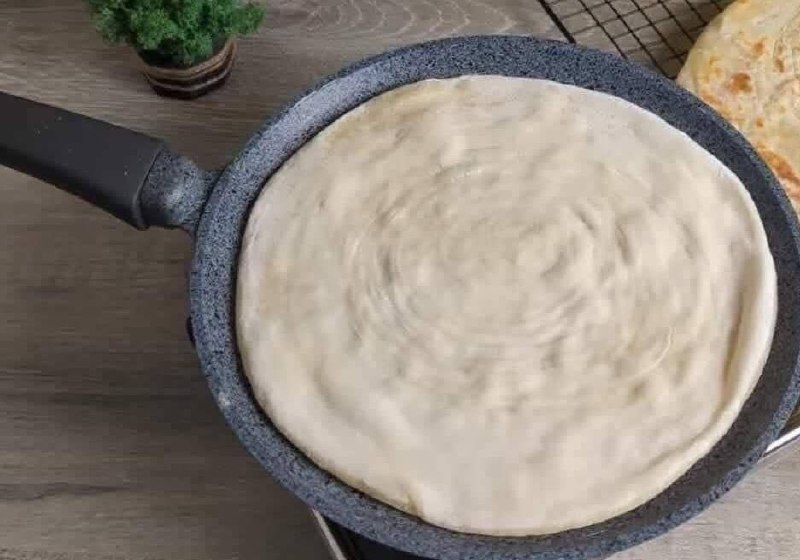
- Heat 1-2 tablespoons of olive oil in a large non-stick skillet or cast-iron pan over medium heat.
- Once the oil is shimmering, carefully place one or two cheese breads in the pan, ensuring not to overcrowd it.
- Cook for 2-4 minutes per side, or until golden brown and puffed up, with the cheese visibly melted inside. Flip gently with a spatula.
- Remove the cooked cheese bread from the pan and place it on a wire rack or a plate lined with paper towels to absorb any excess oil.
- Repeat with the remaining cheese breads, adding more oil to the pan as needed.
- Serve warm and enjoy immediately!
Cooking Tips and Variations
For the perfect dough consistency, make sure your water and milk are warm, not hot. If they’re too hot, they can kill the baking powder’s leavening power. The dough should be soft and pliable, not overly sticky or dry. If it feels too sticky during kneading, add flour in very small increments. Conversely, if it’s too stiff, add a few drops of water.
To prevent the bread from sticking to the pan, always use a good quality non-stick skillet or a well-seasoned cast iron pan. Ensure there’s enough oil in the pan to lightly coat the bottom, but not so much that the bread is deep-frying. Cooking over medium heat is crucial; too high, and the outside will burn before the inside cooks and the cheese melts; too low, and the bread can become tough and absorb too much oil.
Experiment with different cheeses for varied flavor profiles. A sharp cheddar will give a more pungent taste, while Gruyere offers a nutty undertone. For a spicier kick, mix in some finely diced jalapeños with your cheese. You can also add other herbs like chives or a pinch of garlic powder to the dough. For a richer flavor, try using melted butter instead of olive oil for cooking. Serve these warm cheese breads with a side of marinara sauce for dipping, or a dollop of sour cream and chives for an extra treat. They also pair wonderfully with a fresh green salad or a bowl of tomato soup.
Storage and Reheating
Leftover cheese bread is best stored in an airtight container at room temperature for up to 2 days, or in the refrigerator for up to 4 days. While they are best enjoyed fresh, they can be reheated to restore some of their original deliciousness.
To reheat, the best method is to use a dry non-stick skillet over medium-low heat. Place the cheese bread in the pan and cook for 2-3 minutes per side, or until warmed through and slightly crisp again. This method helps to revive the texture and melt the cheese beautifully. You can also reheat them in a toaster oven or conventional oven at 350°F (175°C) for about 5-7 minutes, or until warm. Microwaving is an option for speed, but it can make the bread a bit soft and chewy, losing some of its desirable crispness.
Frequently Asked Questions
Can I make this recipe gluten-free?
While this specific recipe uses all-purpose flour, you can experiment with a gluten-free all-purpose flour blend that is designed for baking. You might need to adjust the liquid content slightly as gluten-free flours can absorb liquids differently. The texture might be slightly different, but it should still yield a delicious pan-fried cheese bread.
What’s the best type of cheese to use for pan-fried cheese bread?
The best cheese for this recipe is one that melts well and has good flavor. Mozzarella is a classic choice for its stretchiness and mild taste. Cheddar adds a sharper, richer flavor. A blend of mozzarella and cheddar is often ideal. You can also use Monterey Jack, Gruyere, or even a bit of Parmesan mixed in for extra depth. Avoid very crumbly or dry cheeses that don’t melt smoothly.
Can I prepare the dough ahead of time?
Yes, you can prepare the dough a few hours in advance. After kneading, cover the dough tightly with plastic wrap and refrigerate for up to 24 hours. When you’re ready to use it, let it come to room temperature for about 30 minutes before rolling and filling. This helps the dough become more pliable and easier to work with.
Why did my cheese bread puff up unevenly or not at all?
Uneven puffing can happen if the dough isn’t rolled consistently thin, or if the heat in your pan is uneven. If the bread doesn’t puff at all, it might be due to old or inactive baking powder, or if your dough was too thick or over-kneaded, resulting in a tough texture. Ensure your ingredients are fresh and your dough is pliable before cooking.