Instructions
- Prepare the Vegetables: Begin by gathering and preparing all your vegetables. Dice the yellow onion, slice the celery, and peel and slice the carrots into uniform rounds. Mince the garlic. Peel the Yukon Gold potatoes and cut them into 1-inch cubes. Having all your ingredients prepped beforehand, known as “mise en place,” will make the cooking process much smoother.
- Sauté the Aromatics: Heat the olive oil in a large Dutch oven or heavy-bottomed pot over medium heat. Add the diced onion, celery, and sliced carrots to the pot. Sauté for 8-10 minutes, stirring occasionally, until the vegetables begin to soften and the onion becomes translucent. This step is crucial for building a foundational layer of flavor for your soup.
- Add Garlic and Spices: Add the minced garlic to the pot and cook for another 1-2 minutes until fragrant, being careful not to burn it. Stir in the dried thyme, crushed dried rosemary, and black pepper. Cook for about 30 seconds, allowing the spices to bloom and release their aromas.
- Introduce Broth and Potatoes: Pour in the 8 cups of low-sodium chicken broth. Add the cubed Yukon Gold potatoes and the bay leaf to the pot. Stir everything together to combine.
- Add Chicken and Simmer: Carefully place the boneless, skinless chicken breasts or thighs directly into the broth. Ensure the chicken is submerged in the liquid. Bring the soup to a gentle boil, then reduce the heat to low, cover the pot, and let it simmer for 20-25 minutes, or until the chicken is cooked through and the potatoes are fork-tender.
- Remove Chicken and Shred: Once the chicken is cooked, carefully remove it from the pot and transfer it to a cutting board. Allow it to cool slightly, then shred the chicken using two forks. If you prefer, you can also cube the chicken. Set the shredded chicken aside. Discard the bay leaf from the soup.
- Return Chicken to Pot (and Optional Cream): Return the shredded chicken to the soup. If desired, stir in the heavy cream for an extra layer of richness and a slightly creamier consistency.
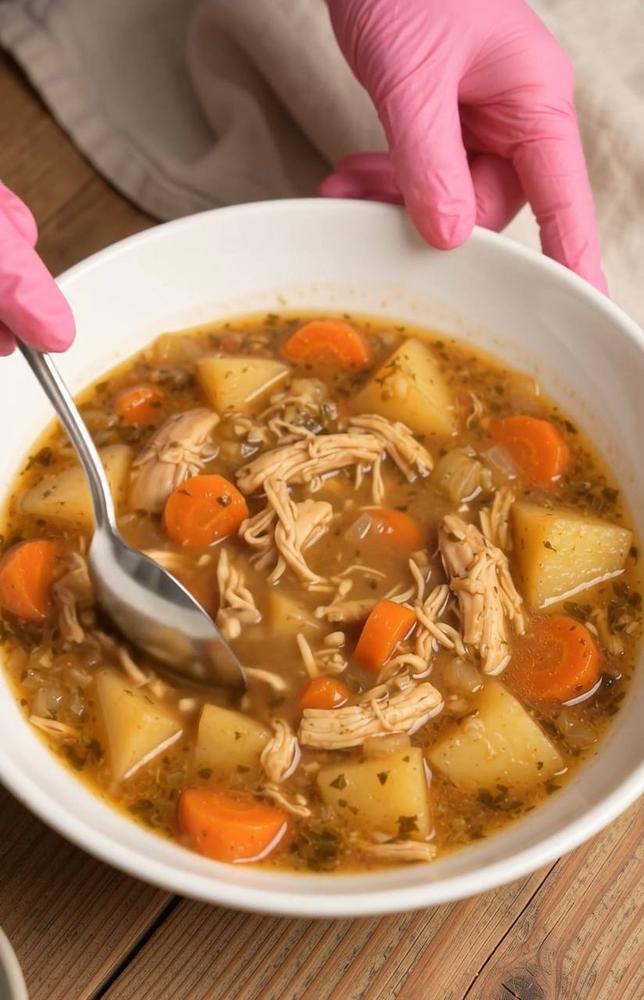
- Season and Serve: Taste the soup and season generously with salt as needed. The amount of salt required will depend on the sodium content of your chicken broth. Stir in half of the fresh chopped parsley. Ladle the hot soup into bowls. Garnish each serving with the remaining fresh parsley before serving immediately. Enjoy your homemade, comforting Chicken Potato Soup!
Cooking Tips and Variations
To truly elevate your Chicken Potato Soup and make it your own, consider these tips and variations:
Enhancing Flavor
- Browning the Chicken: For an even deeper flavor profile, consider browning the chicken breasts or thighs in a separate pan before adding them to the soup. This creates a rich, caramelized crust that adds complexity to the broth.
- Quality Broth is Key: The foundation of any great soup is its broth. Using a high-quality, low-sodium chicken broth or, even better, homemade chicken stock, will make a significant difference in the overall taste. Homemade stock often has a richer, more nuanced flavor.
- Deglazing: If you brown your chicken, deglaze the pan with a splash of white wine or a little extra chicken broth after removing the chicken. Scrape up any browned bits from the bottom of the pan and add this flavorful liquid to your soup.
- Fresh Herbs at the End: While dried herbs are great for simmering, a sprinkle of fresh herbs like dill or chives along with parsley at the very end brightens the flavor and adds a lovely aromatic touch.
- A Touch of Acid: A squeeze of fresh lemon juice or a splash of apple cider vinegar right before serving can brighten the flavors and cut through the richness, adding a subtle tang that elevates the soup.
Ingredient Variations & Substitutions
- Chicken Choice: For a quick shortcut, use pre-cooked rotisserie chicken. Simply shred the meat and add it during step 7. If using chicken thighs, they will contribute more richness to the broth.
- Potato Power: While Yukon Golds are excellent for holding their shape and providing a creamy texture, you can experiment with other potatoes. Russet potatoes will break down more, resulting in a slightly thicker, starchier broth. Red potatoes also hold their shape well and add a nice color.
- Vegetable Medley: Feel free to add other vegetables to boost nutrition and flavor. Peas, corn, green beans, spinach (stirred in at the very end until wilted), or even diced bell peppers would be delicious additions.
- Spice It Up: For a little kick, add a pinch of red pepper flakes along with the other spices. A dash of smoked paprika can also add a delightful smoky depth.
- Dairy Options: If you prefer a dairy-free option, you can omit the heavy cream or substitute it with a plant-based cream alternative like full-fat coconut milk for a subtle tropical twist. For a lighter touch, use milk instead of cream, but be careful not to boil the soup after adding it to prevent curdling.
- Thickening the Broth: If you desire a thicker soup, you have a few options. You can mash some of the cooked potatoes directly in the pot with a fork or potato masher. Alternatively, create a cornstarch slurry (1 tablespoon cornstarch mixed with 2 tablespoons cold water) and stir it into the simmering soup until it reaches your desired consistency.
Serving Suggestions
- Crusty Bread: A classic pairing! Serve your Chicken Potato Soup with warm, crusty bread, sourdough, or dinner rolls for dipping and soaking up every last drop of the delicious broth.
- Grilled Cheese: A grilled cheese sandwich makes a fantastic companion, perfect for dunking.
- Side Salad: A light, fresh green salad with a vinaigrette dressing provides a lovely contrast to the hearty soup.
- Garnish Galore: Beyond fresh parsley, consider garnishing with a dollop of sour cream or Greek yogurt, a sprinkle of shredded cheddar cheese, crispy bacon bits, or even homemade croutons for added texture and flavor.
Storage and Reheating
One of the best things about Chicken Potato Soup is that it often tastes even better the next day, as the flavors have more time to meld and deepen. Proper storage and reheating will ensure you can enjoy your delicious homemade comfort for days to come.
Storage
- Cooling: Always allow the soup to cool down to room temperature before storing. Do not leave it out for more than 2 hours to prevent bacterial growth. You can speed up the cooling process by transferring the soup to shallower containers or placing the pot in an ice bath.
- Refrigeration: Transfer the cooled soup to airtight containers. Store it in the refrigerator for up to 3-4 days. Ensure the containers are sealed tightly to prevent any absorption of refrigerator odors.
- Freezing: Chicken Potato Soup freezes beautifully, making it an excellent meal prep option. Portion the cooled soup into freezer-safe containers or heavy-duty freezer bags. If using bags, lay them flat in the freezer until solid, then stack them to save space. Label with the date. Frozen soup can be stored for up to 2-3 months. Keep in mind that potatoes can sometimes become a bit mealy after freezing and thawing, but they will still be delicious in the soup.
Reheating
- From the Refrigerator:
- Stovetop: The best method for reheating. Transfer the desired amount of soup to a saucepan or pot. Heat over medium-low heat, stirring occasionally, until heated through. If the soup has thickened too much, you can add a splash of chicken broth or water to reach your desired consistency.
- Microwave: For individual servings, transfer the soup to a microwave-safe bowl. Heat on medium power for 2-3 minutes, stirring halfway through, until hot. Be careful not to overheat, as this can make the chicken tough.
- From the Freezer:
- Thawing: For best results, thaw frozen soup in the refrigerator overnight. Once thawed, reheat using the stovetop or microwave methods described above.
- Direct Reheating (if time is short): You can reheat frozen soup directly on the stovetop over low heat, stirring frequently and breaking up the frozen block as it thaws. This will take longer than reheating thawed soup. Alternatively, you can microwave frozen soup in short intervals, stirring often, until fully heated.
- Consistency Check: After reheating, always check the consistency. If it’s too thick, add a little extra broth or water. Taste and adjust seasonings if necessary, as flavors can sometimes mellow during storage.
Frequently Asked Questions
Can I use pre-cooked chicken for this recipe?
Absolutely! Using pre-cooked chicken, such as rotisserie chicken, is a fantastic time-saver. Simply shred the chicken and add it to the soup during step 7, after the potatoes are tender and the broth has simmered. This allows the chicken to warm through and absorb the delicious flavors of the soup without overcooking.
What kind of potatoes are best for Chicken Potato Soup?
For this recipe, Yukon Gold potatoes are highly recommended because they offer a creamy texture while still holding their shape well in the soup. Other good options include red potatoes or new potatoes, which also tend to stay firm. If you prefer a thicker, starchier broth and don’t mind if the potatoes break down a bit more, Russet potatoes can also be used.
How can I make this soup creamier without using heavy cream?
There are a few ways to achieve a creamier consistency without heavy cream. You can mash about 1/4 to 1/2 of the cooked potatoes directly in the pot with a fork or potato masher; their starch will naturally thicken the soup. Another option is to create a cornstarch slurry by mixing 1 tablespoon of cornstarch with 2 tablespoons of cold water, then stirring it into the simmering soup until it thickens to your desired consistency. For a subtle creamy flavor, you could also use a dairy-free alternative like full-fat coconut milk.
Can I add other vegetables to this Chicken Potato Soup?
Yes, this soup is very versatile and welcomes additional vegetables! Peas, corn, green beans, or even diced bell peppers are excellent additions. If you’re adding softer vegetables like peas or corn, stir them in during the last 5-10 minutes of simmering so they don’t get overcooked. For leafy greens like spinach or kale, add them just before serving and stir until they wilt.
Conclusion
And there you have it – a magnificent pot of homemade Chicken Potato Soup, ready to bring warmth and joy to your table. We hope you’ve enjoyed this culinary journey, from the simple act of chopping fresh vegetables to the satisfying aroma that fills your kitchen as the soup gently simmers. This recipe is more than just a collection of ingredients; it’s an invitation to create, to nourish, and to share a truly comforting experience.
With its tender chicken, soft potatoes, vibrant vegetables, and rich, savory broth, this soup is a testament to the power of classic flavors. It’s hearty enough to be a complete meal, yet wonderfully balanced, making it perfect for any occasion – a cozy family dinner, a comforting lunch, or a thoughtful dish to share with friends. The beauty of this recipe lies not only in its delicious outcome but also in its adaptability. Feel empowered to make it your own by experimenting with different herbs, adding extra vegetables, or adjusting the seasonings to suit your palate.
So, go ahead, ladle yourself a generous bowl, breathe in the comforting steam, and savor every spoonful. We encourage you to embrace the joy of home cooking and discover the satisfaction that comes from creating something so delicious from scratch. This Chicken Potato Soup isn’t just food; it’s a hug in a bowl, a taste of home, and a reminder of the simple pleasures in life. Enjoy your homemade comfort, and happy cooking!