Instructions
- Preheat your oven to 425°F (220°C). Line a baking sheet with parchment paper or leave it ungreased.
- In a large bowl, whisk together the flour, baking powder, baking soda, sugar (if using), and salt until well combined. This ensures the leavening agents are evenly distributed.
- Add the very cold, cubed butter to the dry ingredients. Using a pastry blender, two knives, or your fingertips, cut the butter into the flour mixture until it resembles coarse crumbs with some pea-sized pieces of butter remaining. It’s crucial to work quickly to keep the butter as cold as possible.
- Make a well in the center of the flour and butter mixture. Pour in the cold buttermilk. Using a fork, gently stir until the dough just comes together. Be careful not to overmix; the dough should still look a bit shaggy and sticky. If the dough is too dry, add buttermilk one tablespoon at a time until it just forms a cohesive mass.
- Lightly flour a clean work surface. Turn the dough out onto the floured surface. Gently pat the dough into a rough rectangle, about 3/4 to 1 inch thick. Do not knead excessively; gentle handling is key to tender biscuits.
- To create flaky layers, perform a few “folds.” Fold one side of the dough over to the middle, then fold the other side over to meet it, like folding a letter. Gently pat it down again to about 3/4 to 1 inch thick. Repeat this folding process 2-3 more times. This helps to build those desirable layers without overworking the gluten.
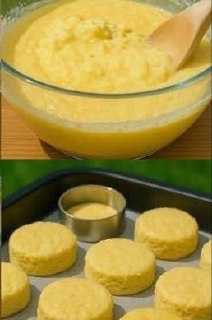
- Using a 2-inch biscuit cutter (or similar size), press straight down into the dough to cut out biscuits. Do not twist the cutter, as this can seal the edges and prevent the biscuits from rising properly.
- Place the cut biscuits on the prepared baking sheet, allowing them to touch slightly for softer sides, or spaced apart for crispier sides. Gather the scraps, gently pat them together (do not knead), and cut out any remaining biscuits.
- Bake for 12-15 minutes, or until the tops are golden brown and the biscuits have risen beautifully.
- Optional: For extra golden and buttery tops, brush the hot biscuits with melted butter immediately after removing them from the oven.
- Serve warm and enjoy!
Cooking Tips and Variations
The Golden Rule of Cold Ingredients: This cannot be stressed enough. Cold butter and cold buttermilk are the secrets to truly flaky biscuits. The cold butter creates pockets of steam as it melts in the hot oven, pushing the dough upwards and creating distinct layers. If your butter starts to soften, pop it back in the freezer for a few minutes.
Do Not Overmix: Overmixing develops gluten, which leads to tough, dense biscuits. Mix just until the ingredients are combined and the dough barely holds together. A shaggy, slightly sticky dough is exactly what you’re looking for.
Cutting Technique Matters: When using a biscuit cutter, press straight down and lift straight up. Twisting the cutter seals the edges of the biscuit, which can inhibit its rise and prevent those beautiful layers from forming.
High Heat, Quick Rise: Baking biscuits at a high temperature (425°F/220°C) helps them rise rapidly and creates a wonderfully golden crust. This quick burst of heat is essential for maximum lift.
Buttermilk Substitute: If you don’t have buttermilk on hand, you can make a quick substitute. For 3/4 cup of buttermilk, measure 3/4 cup of regular milk (whole or 2%) and stir in 3/4 tablespoon of lemon juice or white vinegar. Let it sit for 5-10 minutes until it slightly curdles. This will provide the necessary acidity to react with the baking soda.
Sweet Variations: For a sweeter biscuit, you can increase the sugar to 2-3 tablespoons. Consider adding 1/2 teaspoon of vanilla extract to the buttermilk for a delightful aroma and flavor. A pinch of cinnamon can also be a lovely addition.
Savory Additions: Transform your classic biscuits into savory delights! Fold in 1/2 cup of shredded cheddar cheese, 2 tablespoons of chopped fresh chives, or 1/2 teaspoon of garlic powder with the dry ingredients. These are fantastic alongside soups or as a side for dinner.
Drop Biscuits: If you’re short on time or prefer a less structured biscuit, you can make drop biscuits. After mixing the dough, simply drop spoonfuls onto the baking sheet. They won’t have the perfect round shape or as many distinct layers, but they will still be delicious and tender.
Storage and Reheating
Storing Unbaked Biscuits: You can prepare the biscuit dough, cut out the biscuits, and place them on a parchment-lined baking sheet. Freeze them until solid (about 30 minutes to an hour), then transfer them to an airtight freezer bag. When ready to bake, place the frozen biscuits on a baking sheet and bake as directed, adding a few extra minutes to the baking time (typically 15-20 minutes total). This is a fantastic way to have fresh biscuits on demand!
Storing Baked Biscuits: Baked biscuits are best enjoyed fresh, but leftovers can be stored. Allow them to cool completely before storing. Place them in an airtight container or a resealable plastic bag at room temperature for up to 2-3 days. For longer storage, you can freeze baked biscuits for up to 1 month.
Reheating Baked Biscuits:
- Oven: This is the best method for reheating as it helps to restore some of their crispness. Preheat your oven to 350°F (175°C). Place biscuits directly on the oven rack or on a baking sheet and heat for 5-7 minutes, or until warmed through.
- Toaster Oven: A toaster oven works well for one or two biscuits. Heat at 350°F (175°C) for 3-5 minutes.
- Microwave: While convenient, the microwave can make biscuits a bit chewy. If using, heat for 10-20 seconds per biscuit, just until warm. Be careful not to overheat.
- From Frozen: Reheat frozen baked biscuits in a preheated 300°F (150°C) oven for about 15-20 minutes, or until thoroughly heated.
Frequently Asked Questions
Why are my biscuits tough and not flaky?
The most common reasons for tough biscuits are overmixing the dough and using butter that isn’t cold enough. Overmixing develops gluten, which leads to a chewy, bread-like texture rather than a tender, flaky one. When butter is warm, it combines too readily with the flour instead of creating those distinct pockets that steam and create layers during baking. Always handle the dough gently and work quickly to keep ingredients cold.
Can I use regular milk instead of buttermilk?
Yes, you can, but you’ll need to “sour” it first to mimic buttermilk’s acidity, which is crucial for reacting with baking soda to create lift. For every 1 cup of regular milk, stir in 1 tablespoon of lemon juice or white vinegar. Let it sit for 5-10 minutes until it slightly curdles. While this works, true buttermilk offers a superior tang and tenderness that’s hard to beat.
My biscuits didn’t rise much. What went wrong?
Several factors can contribute to biscuits not rising. First, check the freshness of your baking powder and baking soda; old leavening agents lose their potency. Second, ensure your oven is preheated to the correct temperature, as high heat provides the initial boost for rising. Third, twisting the biscuit cutter can seal the edges, preventing proper expansion. Always press straight down. Finally, overworking the dough can also inhibit rise by making the gluten too strong and tight.