Instructions
- Prepare Your Ramekins: Preheat your oven to 375°F (190°C). Generously butter six 6-ounce (175ml) soufflé ramekins, ensuring the butter coats all the way up the sides. Sprinkle 2 tablespoons of granulated sugar evenly inside each ramekin, rotating to coat the buttered surfaces. Tap out any excess sugar. Place the prepared ramekins on a baking sheet.
- Make the Soufflé Base (Crème Pâtissière): In a medium saucepan, melt 1/4 cup of butter over medium heat. Whisk in the all-purpose flour and cook for 1-2 minutes, stirring constantly, to create a roux. Do not let it brown.
- Gradually whisk in the warmed whole milk, a little at a time, until smooth and lump-free. Continue to cook, stirring constantly, until the mixture thickens to a very thick consistency, similar to a pastry cream. This will take about 5-7 minutes.
- Remove the saucepan from the heat. If using a vanilla bean, scrape the seeds into the mixture. If using vanilla extract, add it now. Whisk in the egg yolks one at a time, ensuring each is fully incorporated before adding the next. Stir in 1/4 cup (50g) of the granulated sugar and the pinch of salt. Set the base aside to cool slightly while you prepare the meringue.
- Whip the Meringue: In a very clean, dry large bowl (preferably glass or metal), add the room temperature egg whites. Using an electric mixer (stand mixer with whisk attachment or hand mixer), beat the egg whites on medium speed until foamy.
- Add the cream of tartar (if using). Gradually increase the speed to medium-high. Once the egg whites hold soft peaks, slowly add the remaining 1/4 cup (50g) of granulated sugar, one tablespoon at a time, continuing to beat.
- Continue beating until the meringue is glossy and holds stiff, firm peaks. The meringue should be able to stand on its own when the whisk is lifted. Be careful not to overbeat, as this can make it dry and difficult to fold.
- Combine the Base and Meringue: Gently fold about one-third of the meringue into the cooled soufflé base. This lightens the base and makes it easier to incorporate the rest of the meringue.
- Add the remaining meringue to the base. Using a rubber spatula, gently fold the meringue into the base using an upward motion, turning the bowl as you go. Be careful not to deflate the meringue; the goal is to combine thoroughly but lightly, preserving as much air as possible.
- Fill the Ramekins: Carefully spoon the soufflé mixture into the prepared ramekins, filling them almost to the top. Level the tops with an offset spatula or the back of a spoon. For an even more dramatic rise, you can run your thumb around the inside edge of each ramekin, creating a small channel between the soufflé mixture and the ramekin wall.
- Bake the Soufflés: Place the baking sheet with the ramekins into the preheated oven. Bake for 20-25 minutes, or until the soufflés are dramatically risen, golden brown on top, and slightly jiggly in the center when gently shaken. Resist the urge to open the oven door during the first 15-20 minutes of baking, as this can cause the soufflés to collapse.
- Serve Immediately: As soon as they come out of the oven, dust with powdered sugar if desired, and serve immediately. Soufflés begin to deflate quickly after being removed from the heat, so enjoy their majestic height while it lasts!
Cooking Tips and Variations
Temperature is Key: Ensure your egg whites are at room temperature. This allows them to whip up to maximum volume, which is crucial for a lofty soufflé. If you forget to take them out ahead of time, place the shelled eggs in a bowl of warm water for 10-15 minutes.
Cleanliness Above All: Any trace of fat (from egg yolk, oil, or even greasy hands) in your mixing bowl or on your whisk will prevent egg whites from whipping properly. Use a very clean, dry glass or metal bowl and clean whisk attachment.
Gentle Folding: The folding step is perhaps the most critical. Use a light hand and an upward, circular motion to incorporate the meringue without deflating it. Imagine you’re folding clouds into your base – you want to maintain that airy texture.
Don’t Peek!: Seriously, resist the temptation to open the oven door during the first two-thirds of the baking time. A sudden drop in temperature can cause your soufflé to collapse prematurely.
Ramekin Prep Perfection: The butter and sugar coating on the ramekins aren’t just for flavor; they provide a “ladder” for the soufflé to climb, helping it achieve its impressive height. Don’t skimp on this step.
Flavor Variations: Once you’ve mastered the classic vanilla, the world of soufflé variations opens up!
- Chocolate Soufflé: Melt 2-3 ounces of good quality dark chocolate into the warm soufflé base.
- Lemon Soufflé: Add 1-2 tablespoons of fresh lemon zest and 1 tablespoon of lemon juice to the soufflé base.
- Coffee Soufflé: Dissolve 1-2 teaspoons of instant espresso powder in the warm milk for the base.
- Grand Marnier Soufflé: Add 2 tablespoons of Grand Marnier or another orange liqueur to the soufflé base.
Serving Suggestion: While perfect on its own, a dusting of powdered sugar is traditional. You can also serve it with a side of fresh berries, a dollop of crème fraîche, or a warm crème anglaise for an extra touch of decadence.
The “Collar” Trick: For an even more dramatic rise, you can create a parchment paper collar around your ramekins. Fold a strip of parchment paper in half lengthwise, butter one side, and tie it around the outside of the ramekin (buttered side in) so it extends about 2-3 inches above the rim. This gives the soufflé more vertical space to climb.
Storage and Reheating
Soufflés are truly a dish meant to be enjoyed immediately. Their magnificent height and delicate, airy texture begin to deflate almost as soon as they are removed from the oven. For this reason, storing and reheating a fully baked soufflé is generally not recommended if you want to preserve its iconic qualities.
If you have any leftovers, the soufflé will become denser and more custard-like as it cools and deflates. It will still taste delicious, but it will lose its signature lightness and impressive volume. You can store any leftover, deflated soufflé in an airtight container in the refrigerator for up to 1-2 days. To reheat, you can gently warm it in a microwave for 20-30 seconds or in a low oven (around 300°F/150°C) for 5-10 minutes, just until warmed through. However, it will not regain its original airy texture or height.
Making Ahead (Partial): While you can’t bake ahead, you can prepare the soufflé base (the crème pâtissière part) a day in advance. Store it covered in the refrigerator. When ready to bake, gently rewarm the base over low heat until it’s pliable (not hot), then proceed with whipping the egg whites and folding them in. This can save you a significant amount of time on the day of serving.
Frequently Asked Questions
Why did my soufflé collapse?
There are several common reasons for a soufflé to collapse. The most frequent culprits are opening the oven door too early during baking, over-mixing the meringue (which deflates the air), under-baking (the structure isn’t set), or not properly preparing the ramekins (insufficient buttering/sugaring to help it climb).
Can I make individual soufflés in a muffin tin instead of ramekins?
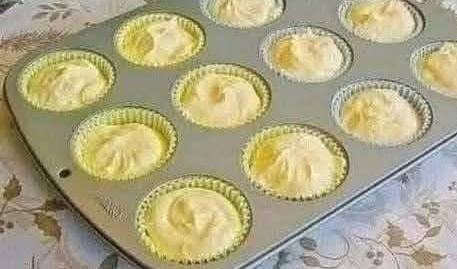
While the image might suggest a muffin tin, for a true classic soufflé, individual ceramic ramekins are highly recommended. Muffin tins, especially those with non-stick coatings, might not allow the soufflé to “climb” as effectively, potentially hindering its rise. Ramekins also provide better insulation and heat distribution for the delicate soufflé.
My egg whites aren’t whipping to stiff peaks. What went wrong?
This is almost always due to fat contamination. Even a tiny speck of egg yolk, grease from the bowl or whisk, or even a dirty utensil can prevent egg whites from whipping properly. Ensure your bowl and whisk are impeccably clean and dry, and be very careful when separating the eggs to avoid any yolk getting into the whites.
How do I know when my soufflé is fully cooked?
A perfectly cooked soufflé will be dramatically risen, golden brown on top, and will still have a slight “jiggle” in the very center when gently shaken. If it’s too jiggly, it’s undercooked. If it’s completely firm and dry, it might be slightly overcooked, though still delicious.