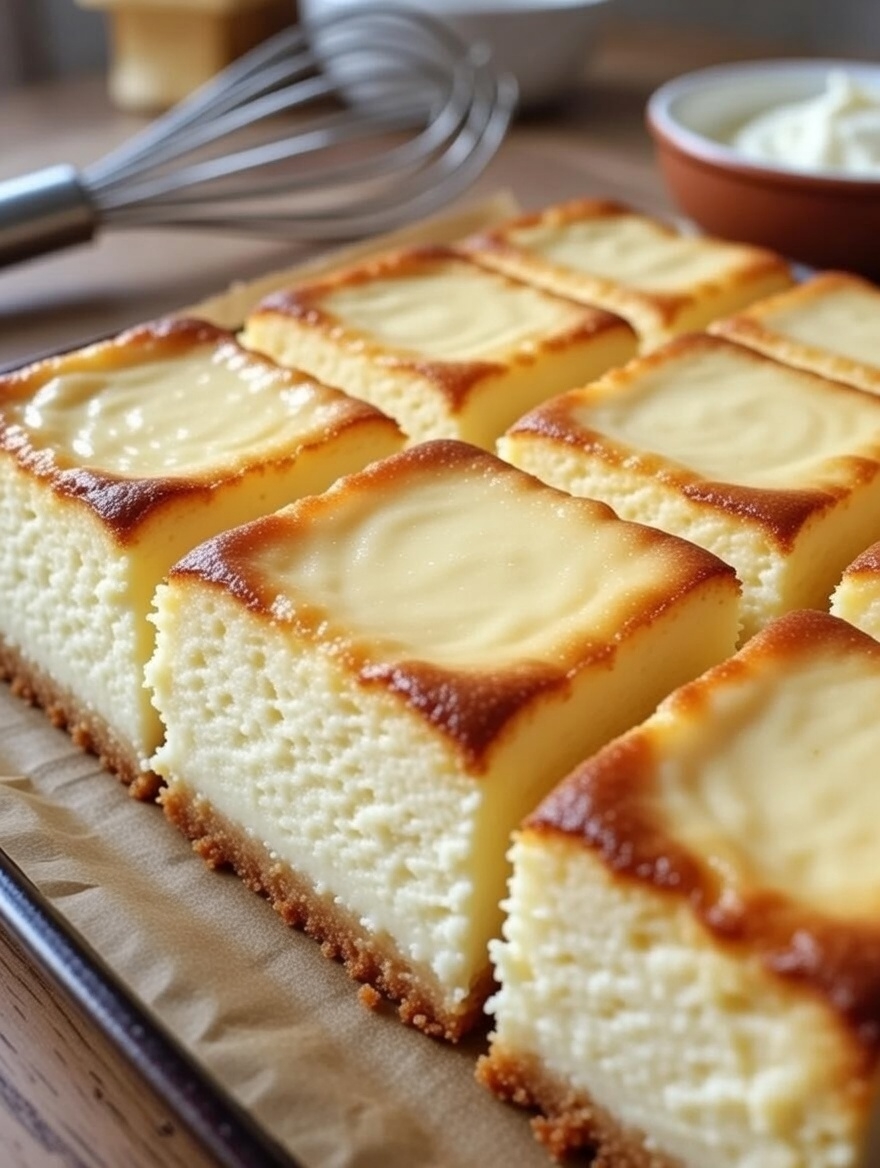
Cream Cheese Cake: Ingredients, Baking Tools, Smart Techniques, and How to Get Perfect Results at Home
🍰 Introduction: The Comfort of a Creamy, Reliable Homemade Cake
Some desserts are made for special occasions, while others quietly become part of your regular baking routine. Cream cheese cake belongs to the second category. It’s rich without being overwhelming, sweet without being cloying, and simple enough to make on a quiet weekend afternoon. For many home cooks across the United States, this type of cake solves a common problem: the desire for a creamy, bakery-style dessert without the complexity of a traditional cheesecake.
This version of cream cheese cake is especially appealing because it uses everyday pantry ingredients and standard kitchen tools. The texture sits perfectly between a classic pound cake and a cheesecake, making it easy to slice, store, and serve. Whether you’re baking for family, guests, or just yourself, understanding the ingredients, methods, and small decision points can make a noticeable difference in the final result.
🧀 What Is Cream Cheese Cake and Why Home Bakers Love It
Cream cheese cake is often misunderstood. Unlike dense, custard-based cheesecakes that require water baths and long cooling times, this cake-style version incorporates flour and baking powder for structure. Culinary instructor James Holloway explains that this approach “creates a more forgiving batter that bakes evenly and delivers consistent results, even for less experienced bakers.”
The result is a moist, tender crumb with a creamy flavor that feels indulgent but approachable. It’s ideal for everyday desserts, bake sales, potlucks, or casual celebrations where reliability matters just as much as flavor.
🛒 Ingredient Breakdown: Cost, Quality, and Smart Choices
Cream Cheese
The star ingredient deserves attention. Full-fat block cream cheese is strongly recommended. Spreadable tubs contain added stabilizers and moisture that can affect texture. Chef Maria Lawson notes that room-temperature cream cheese blends smoothly and prevents lumps that can ruin the cake’s appearance and mouthfeel.
Vegetable Oil
Vegetable oil keeps the cake moist longer than butter. It’s also cost-effective and widely available, making it a practical choice for home bakers. Neutral oils like canola or sunflower work equally well.
Sugar and Eggs
Granulated sugar provides sweetness and structure, while eggs bind the ingredients together. Using large eggs at room temperature helps the batter emulsify properly, leading to a smoother bake.
Flour, Baking Powder, and Salt
All-purpose flour offers balanced structure. Baking powder adds lift, while salt enhances flavor and balances sweetness. These ingredients are inexpensive but essential for consistent results.
🔧 Kitchen Tools That Improve Results
You don’t need professional equipment, but the right tools help:
- Mixing bowls with enough space to avoid spills
- Hand mixer or stand mixer for smooth batter
- Whisk for evenly combining dry ingredients
- 8×8 or 9×9-inch baking pan lined with parchment paper
- Cooling rack for proper airflow after baking
An oven thermometer is also helpful. Many home ovens run hotter or cooler than expected, and accurate temperature control prevents overbaking.
👩🍳 Preparation Method: Step-by-Step Insights
Start by preheating the oven and preparing your pan. Lining with parchment paper ensures easy removal and clean edges. Beat the softened cream cheese and sugar until completely smooth. This step incorporates air, which contributes to a lighter texture.
Add the oil slowly, followed by eggs one at a time. Mixing gently at this stage prevents excess air, which can cause cracking. Stir in vanilla extract for flavor depth. In a separate bowl, whisk together flour, baking powder, and salt, then fold into the wet ingredients just until combined.
Bake until the top is lightly golden and a toothpick inserted into the center comes out with a few moist crumbs. Overbaking is the most common cause of dryness.
📊 Nutritional and Ingredient Overview
| Item | Amount per Serving | Functional Benefit |
|---|---|---|
| Calories | 290 kcal | Satisfying dessert portion |
| Total Fat | 18 g | Rich texture and moisture |
| Carbohydrates | 28 g | Energy and sweetness balance |
| Protein | 5 g | Structure and satiety |
| Serving Size | 1 square (approx. 90 g) | Easy portion control |
⚖️ Homemade vs Store-Bought Cream Cheese Cake
Store-bought cream cheese cakes are convenient, but they often rely on preservatives and stabilizers. Homemade versions allow you to control ingredient quality, sweetness, and portion size. Nutritionist Sarah Coleman points out that baking at home encourages mindful eating and better storage habits.
From a cost perspective, homemade cakes are typically more affordable per serving, especially when baking for groups.
❄️ Fresh vs Frozen: Storage and Safety Tips
Freshly baked cream cheese cake can be stored in the refrigerator for up to four days in an airtight container. For longer storage, individual slices can be wrapped tightly and frozen for up to two months. Always thaw in the refrigerator to maintain texture and food safety.
⚠️ Common Mistakes and How to Avoid Them
- Using cold cream cheese, leading to lumps
- Overmixing the batter after adding flour
- Baking at too high a temperature
- Skipping parchment paper
- Leaving the cake uncovered in the fridge
❓ Frequently Asked Questions
1. How much does it cost to make this cake?
Costs vary by region, but it’s generally affordable using pantry staples.
2. Can I substitute butter for oil?
Yes, but expect a slightly denser texture.
3. Is low-fat cream cheese acceptable?
It works, but the cake will be less rich.
4. How should leftovers be stored?
Refrigerate in an airtight container.
5. Can I add toppings?
Yes, a light glaze or fresh fruit works well.
6. Is this cake safe for children?
Yes, when stored and handled properly.
7. Can I reheat slices?
Briefly warm in the microwave for 10–15 seconds.
8. What pan size is best?
An 8×8 or 9×9-inch pan is ideal.
9. Can I reduce the sugar?
Reducing by up to 20% still yields good results.
10. Can I freeze the entire cake?
Yes, wrap tightly and freeze after cooling.
🍽️ Related Baking Ideas
If you enjoy creamy, reliable desserts, you may find inspiration in other baked recipes and cake variations available on gentplu.com, where classic home baking techniques are explored in depth.
✅ Conclusion: Baking Smarter for Consistent, Enjoyable Results
Cream cheese cake proves that thoughtful ingredient choices and simple techniques can produce impressive results. By understanding how each component works and avoiding common mistakes, home bakers can confidently prepare a dessert that feels both comforting and refined. Whether served plain, lightly glazed, or paired with fruit, this cake remains a dependable favorite for anyone who values quality, balance, and ease in the kitchen.