Instructions
- Prepare the Potatoes and Onion: Using the large holes of a box grater or a food processor with a grating attachment, grate the peeled potatoes and onion.
- Crucial Step: Remove Moisture: Transfer the grated potato and onion mixture to a large clean kitchen towel or several layers of cheesecloth. Gather the edges of the towel and twist tightly, squeezing out as much liquid as possible. This step is absolutely critical for crispy pancakes! You should be able to extract a significant amount of starchy water. Discard the liquid.
- Combine Ingredients: Transfer the squeezed-out potato and onion mixture to a large bowl. Add the lightly beaten egg, flour (or potato starch), salt, black pepper, and baking powder (if using). Mix well with your hands or a spoon until everything is evenly combined. Do not overmix, as this can activate the starch too much.
- Heat the Oil: Pour about 1/4 to 1/2 inch of oil into a large, heavy-bottomed skillet (cast iron works best) over medium-high heat. The oil should be hot enough that a small drop of the potato mixture sizzles immediately upon contact. If it smokes, it’s too hot; reduce the heat.
- Form and Fry the Pancakes: Working in batches to avoid overcrowding the pan, scoop about 2-3 tablespoons of the potato mixture per pancake. Gently flatten the mixture into thin, uniform discs (about 3-4 inches in diameter) directly in the hot oil using the back of a spoon or spatula. Ensure they are not too thick, as thinner pancakes crisp up better.
- Cook Until Golden and Crispy: Fry the pancakes for 4-6 minutes per side, or until deeply golden brown and very crispy. Adjust the heat as needed to prevent burning while ensuring thorough cooking. The oil temperature is key here – if it’s too low, the pancakes will absorb too much oil and be greasy; if too high, they’ll burn before cooking through.
- Drain Excess Oil: Once cooked, remove the pancakes from the pan and place them on a wire rack set over a baking sheet lined with paper towels. This allows excess oil to drain and helps maintain crispiness. Season lightly with a pinch of extra salt immediately after frying, if desired.
- Keep Warm (Optional): If cooking multiple batches, you can keep the cooked pancakes warm in a single layer on a baking sheet in an oven preheated to 200°F (95°C).
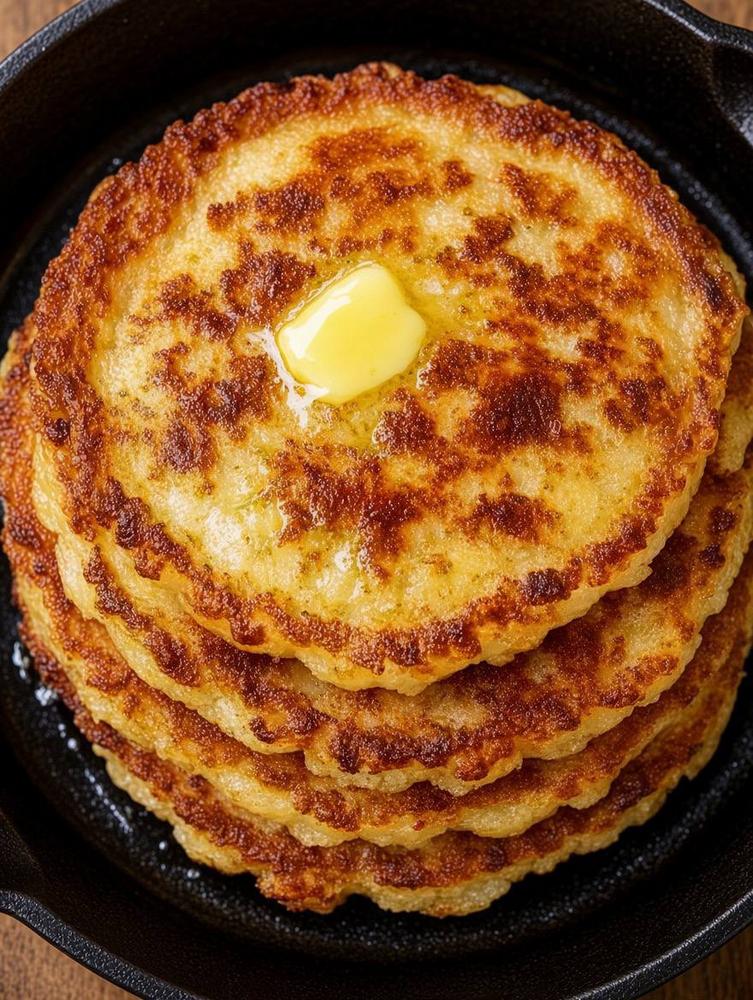
- Serve: Serve the crispy potato pancakes immediately, ideally topped with a pat of melting butter, or with traditional accompaniments like sour cream and applesauce.
Cooking Tips and Variations
Achieving truly crispy potato pancakes is an art, but one that is easily mastered with a few key techniques. First and foremost, moisture removal is paramount. Russet potatoes are ideal for this recipe because of their high starch content, which helps with binding and crispiness, but they also hold a lot of water. Squeeze, squeeze, and squeeze again until you think you can’t get any more liquid out. This single step will make the biggest difference between a soggy pancake and a crispy one.
When it comes to frying, don’t overcrowd the pan. Give each pancake plenty of space. Overcrowding lowers the oil temperature, leading to greasy, less crispy results. Cook in batches, and allow the oil to come back up to temperature between batches if necessary. The oil should be hot enough to sizzle immediately but not so hot that it smokes excessively. A good medium-high heat is usually perfect. Using a cast iron skillet is highly recommended, as its superior heat retention ensures even cooking and a beautiful, consistent crust.
For an extra boost of flavor, consider adding a pinch of garlic powder or paprika to the potato mixture. For a gourmet touch, a tablespoon of fresh chives or finely chopped parsley can be folded in. To make them a bit richer, you can swap out a portion of the vegetable oil for clarified butter or bacon fat. If you want to experiment with different potato varieties, Yukon Golds can be used, but you might need a touch more binding agent (flour/starch) as they are less starchy than Russets. For a slightly lighter, airier texture, the optional baking powder helps create tiny bubbles that contribute to a delicate crispness.
Storage and Reheating
While crispy potato pancakes are undeniably best enjoyed fresh from the pan, leftovers can be stored and reheated. Allow any cooled potato pancakes to come to room temperature. Stack them with small pieces of parchment paper in between to prevent sticking, then place them in an airtight container. They can be stored in the refrigerator for up to 3-4 days.
For reheating, avoid the microwave, as it will inevitably turn your crispy pancakes into a soggy disappointment. The best method for restoring crispiness is to reheat them in a preheated oven or toaster oven. Place the pancakes in a single layer on a baking sheet and bake at 375°F (190°C) for 8-12 minutes, flipping halfway through, until heated through and re-crisped. Alternatively, you can reheat them in a dry skillet over medium heat for a few minutes per side until hot and crispy again.
Frequently Asked Questions
Why are my potato pancakes soggy?
The number one reason for soggy potato pancakes is insufficient moisture removal from the grated potatoes. Potatoes contain a lot of water, and if that water isn’t squeezed out, it steams the pancakes from the inside out instead of allowing them to crisp. Always use a clean kitchen towel or cheesecloth and squeeze out as much liquid as humanly possible. Another factor can be not enough oil, or oil that isn’t hot enough, causing the pancakes to absorb oil rather than fry crisply.
Can I prepare the potato mixture ahead of time?
While potato pancakes are best made fresh, you can prepare the grated potato and onion mixture up to a few hours ahead of time. After grating and squeezing out all the moisture, place the mixture in an airtight container in the refrigerator. However, only add the egg, flour, and seasonings just before you are ready to fry. Adding them too early can cause the potatoes to release more water and the mixture to become watery again, compromising crispiness.
What kind of potatoes are best for crispy potato pancakes?
Russet potatoes (also known as Idaho potatoes) are generally considered the best choice for crispy potato pancakes. Their high starch content contributes significantly to both binding the mixture together and achieving that desired crispy texture. Waxy potatoes, like red or new potatoes, tend to have less starch and more moisture, making them less ideal for crisp, firm pancakes.
What are some popular toppings for potato pancakes?
Classic toppings include a dollop of sour cream and a side of applesauce, which offer a delightful contrast of creamy, tangy, and sweet. Other popular choices include a sprinkle of fresh chives, smoked salmon, crème fraîche, or even a fried egg for a heartier meal. Of course, a simple pat of melting butter and a dash of extra salt and pepper, as shown in the image, is a perfectly delicious way to enjoy them too!