Instructions
- Pat the pork chops dry thoroughly with paper towels. This step is crucial for achieving a good sear. Season both sides of the chops generously with salt and black pepper.
- In a medium bowl, whisk together the brown sugar, soy sauce, apple cider vinegar, Dijon mustard, minced garlic, smoked paprika, and cayenne pepper (if using). Set aside. This is your brown sugar glaze.
- Heat the olive oil in a large, heavy-bottomed skillet (cast iron works wonderfully) over medium-high heat until shimmering.
- Carefully place the pork chops in the hot skillet, ensuring not to overcrowd the pan. If necessary, cook in two batches. Sear the chops for 3-4 minutes per side, until deeply golden brown and a beautiful crust has formed. The goal here is to develop flavor, not to cook them through completely.
- Once both sides are seared, reduce the heat to medium-low. Pour the prepared brown sugar glaze over the chops in the skillet.
- Add the chicken broth or water to the skillet. Bring the liquid to a gentle simmer, scraping up any browned bits from the bottom of the pan with a wooden spoon. These bits add incredible flavor to the glaze.
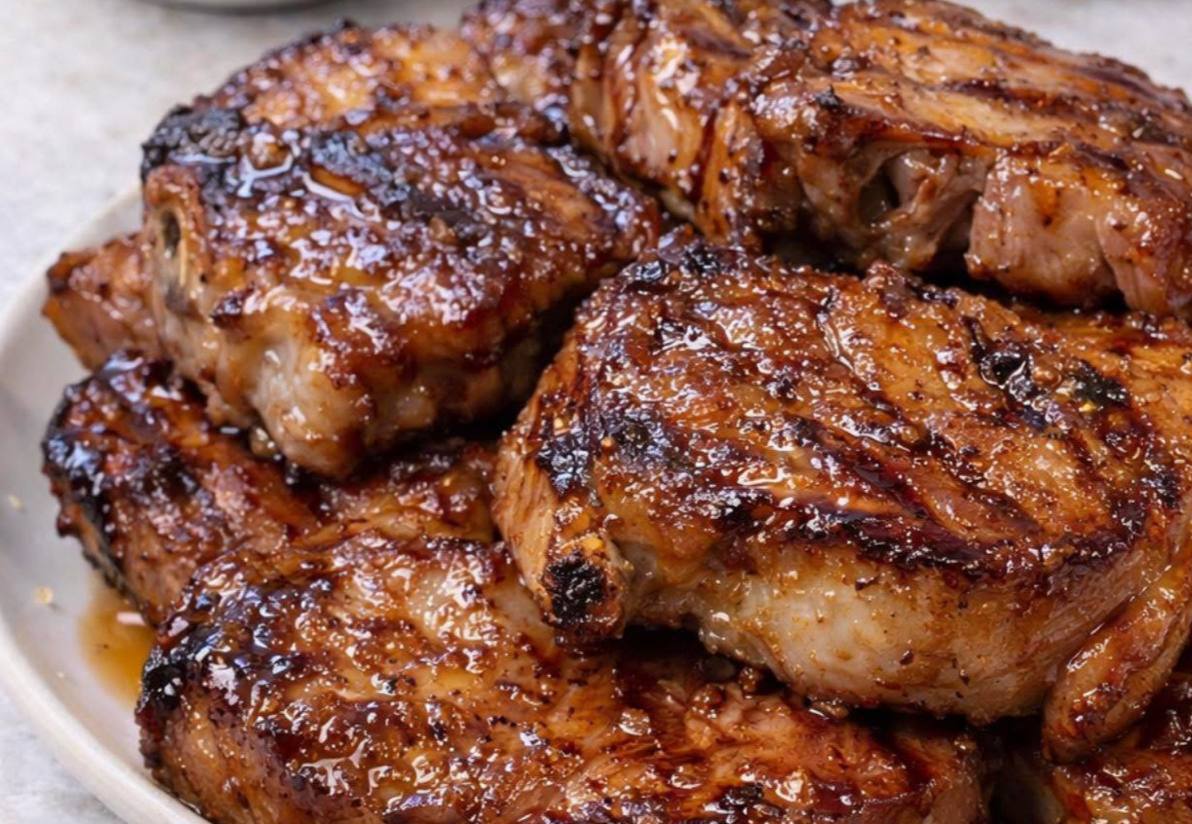
- Continue to cook the chops, flipping them every 1-2 minutes, spooning the glaze over them as they cook. The glaze will thicken and become sticky and caramelized. This process should take an additional 6-10 minutes, depending on the thickness of your chops.
- Use a meat thermometer to check for doneness. Pork chops are cooked when their internal temperature reaches 145°F (63°C) in the thickest part.
- Once cooked, remove the chops from the skillet and place them on a cutting board or plate. Tent them loosely with aluminum foil and let them rest for 5-10 minutes. Resting allows the juices to redistribute, resulting in a more tender and juicy chop.
- While the chops are resting, if the glaze in the pan is too thin, you can increase the heat slightly and simmer it for another 1-2 minutes, stirring constantly, until it reaches your desired consistency. Be careful not to burn it.
- Serve the brown sugar chops immediately, drizzled generously with the remaining glaze from the skillet. Garnish with fresh parsley or chives, if desired.
Cooking Tips and Variations
Achieving perfectly cooked brown sugar chops is all about technique and a little patience. Here are some essential tips to ensure your chops turn out tender, juicy, and beautifully glazed every time. Firstly, always start with dry pork chops. Excess moisture on the surface prevents a good sear, which is crucial for developing flavor and color. Patting them thoroughly with paper towels before seasoning makes a significant difference. When searing, don’t overcrowd the pan. If you try to cook too many chops at once, the pan temperature will drop, leading to steaming instead of searing. Cook in batches if necessary, allowing each chop enough space to brown properly. Use a heavy-bottomed skillet, preferably cast iron, as it retains heat well and provides an even cooking surface, which is ideal for creating that delicious crust. Keep a close eye on the glaze as it simmers. Brown sugar can burn quickly, so keep the heat at medium-low once the glaze is added and stir or spoon it over the chops frequently. The goal is a thick, sticky, caramelized sauce, not a burnt one. A meat thermometer is your best friend here; pork is done at 145°F (63°C), and cooking it past this point can result in dry chops. Remember to let the chops rest after cooking. This allows the muscle fibers to relax and reabsorb the juices, ensuring a tender and moist result. Tent them loosely with foil to keep them warm while resting.
For variations, you can easily adjust the flavor profile of the glaze. If you prefer a spicier kick, increase the amount of cayenne pepper or add a pinch of red pepper flakes. For a more robust savory note, a splash of Worcestershire sauce can be added to the glaze mixture. To enhance the aromatic qualities, consider adding a teaspoon of grated fresh ginger along with the garlic. If you enjoy a touch of tang, a squeeze of fresh orange or lime juice at the very end can brighten the flavors. For those who love a smoky depth, a few drops of liquid smoke can be incorporated into the glaze. You can also experiment with different types of sugar; dark brown sugar will yield a more intense molasses flavor, while a mix of brown sugar and maple syrup can add another layer of sweetness. For a healthier twist, consider using thinner, boneless chops, which cook faster and absorb the glaze beautifully. If you’re out of apple cider vinegar, white wine vinegar or even a squeeze of lemon juice can work as a substitute for the acidity. Don’t be afraid to experiment with herbs; a sprig of fresh rosemary or thyme added to the pan during the glazing process can infuse the chops with a wonderful fragrance. Finally, for a gluten-free option, ensure your soy sauce is certified gluten-free, or use tamari instead.
Storage and Reheating
Proper storage and reheating are key to enjoying your Delicious Brown Sugar Chops even after the initial meal. To store leftovers, allow the cooked chops and any remaining glaze to cool completely to room temperature. This is important to prevent condensation and bacterial growth. Once cooled, transfer the chops and glaze to an airtight container. They can be stored in the refrigerator for up to 3-4 days. For longer storage, you can freeze the cooked chops. Place them in a freezer-safe bag or container with as much glaze as possible, ensuring minimal air exposure. They will keep well in the freezer for up to 2-3 months. Thaw frozen chops overnight in the refrigerator before reheating.
When it comes to reheating, you want to do so gently to maintain the tenderness and moisture of the pork. The best method for reheating brown sugar chops is in the oven or on the stovetop. For oven reheating, preheat your oven to 300°F (150°C). Place the chops in an oven-safe dish, add a tablespoon or two of water or chicken broth to the bottom of the dish to help create steam and prevent drying, and cover loosely with foil. Heat for 15-20 minutes, or until warmed through. The foil helps to trap moisture. For stovetop reheating, place the chops in a skillet over medium-low heat with a splash of water or broth and cover. Heat gently, flipping occasionally, until warmed through, about 5-8 minutes. The goal is to warm them without overcooking, which can dry out the pork. Avoid reheating in the microwave if possible, as it can make the chops tough and rubbery, but if you must, do so on a low power setting in short bursts, checking frequently.
Frequently Asked Questions
What kind of pork chops are best for this recipe?
You can use either bone-in or boneless pork chops, about 1-inch thick. Bone-in chops often offer more flavor and tend to stay juicier, but boneless chops cook a bit faster. Ensure they are of similar thickness for even cooking.
Can I make this recipe spicier or less sweet?
Absolutely! To make it spicier, increase the amount of cayenne pepper or add a pinch of red pepper flakes to the glaze. To make it less sweet, you can reduce the brown sugar by a tablespoon or two and adjust to your taste. A touch more apple cider vinegar can also help balance the sweetness with acidity.
How do I know when the pork chops are done?
The safest and most accurate way to determine doneness is by using a meat thermometer. Insert the thermometer into the thickest part of the chop, avoiding the bone. Pork chops are safely cooked when their internal temperature reaches 145°F (63°C). Remember to allow for a 5-10 minute resting period after removing them from the heat, during which the temperature may rise slightly.
My glaze is too thin/thick. How can I fix it?
If your glaze is too thin, remove the chops from the pan and increase the heat to medium-high. Simmer the glaze, stirring constantly, for a few minutes until it reduces and thickens to your desired consistency. If the glaze is too thick, you can thin it out by stirring in a tablespoon or two of chicken broth or water until it reaches the desired consistency.