Instructions
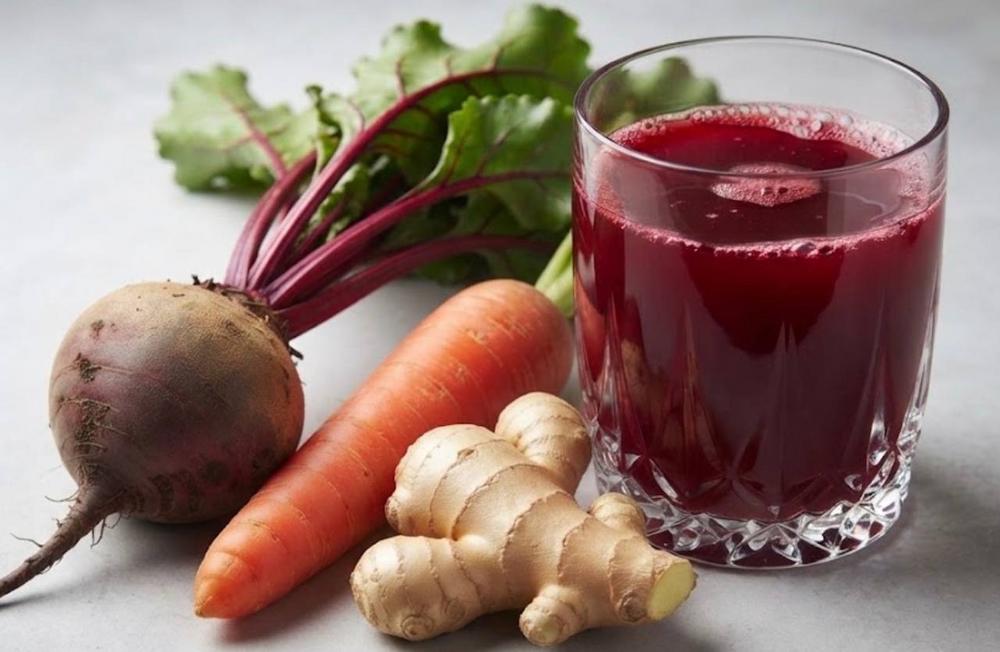
- Begin by thoroughly washing all your produce. For the beetroots, trim off the greens and the root end. For carrots, simply scrub them clean. Peel the ginger. If using, wash and core the apple, and halve the lemon.
- Depending on your equipment, you have two primary methods: juicing or blending.
- For Juicing: Cut the beetroots, carrots, ginger, and apple (if using) into pieces small enough to fit into your juicer’s chute. Process all ingredients through your juicer. Stir in the fresh lemon juice (if using) after juicing.
- For Blending: Chop the beetroots, carrots, ginger, and apple (if using) into small, manageable chunks. Place them into a high-speed blender. Add 1/2 cup of water or coconut water. Blend on high until completely smooth. If you prefer a pulp-free drink, strain the mixture through a fine-mesh sieve or nut milk bag, pressing down to extract all the liquid. Stir in the fresh lemon juice (if using).
- Pour the freshly made drink into a glass. It’s best consumed immediately to maximize nutrient content.
- If you’re preparing more than one serving, store any leftover juice in an airtight container in the refrigerator for up to 24-48 hours.
- Commit to drinking one serving of this elixir every day for 30 days, ideally in the morning on an empty stomach or before a workout, to truly feel the cumulative benefits.
Cooking Tips and Variations
To get the most out of your 30-day challenge and ensure you enjoy every sip, consider these tips and variations. Firstly, always prioritize fresh, high-quality ingredients. Organic produce is ideal, especially since you might be consuming peels (for carrots and beets, if desired). When selecting beets, look for firm, smooth ones without soft spots, and if possible, choose smaller ones as they tend to be sweeter and less fibrous. For ginger, a firm, plump root with tight skin indicates freshness. The freshness of your ingredients directly impacts the flavor and nutritional potency of your drink.
One common concern with beetroot is its earthy taste. While many grow to love it, you can easily customize the flavor profile. If you prefer a sweeter drink, increase the amount of carrot or add a whole apple instead of half. Oranges also blend beautifully with beets and carrots, adding a citrusy sweetness. For a tart kick that brightens the overall flavor, don’t skip the lemon juice; lime juice works wonderfully too. If you’re a fan of a spicier zing, feel free to increase the amount of ginger. A small pinch of black pepper can also enhance the absorption of certain compounds, like those in ginger, without significantly altering the taste.
When it comes to preparation, decide between juicing and blending based on your preferences and goals. Juicing provides a smoother, more concentrated liquid, making nutrients more readily available for quick absorption. However, it removes the beneficial fiber. Blending, on the other hand, retains all the fiber, making your drink more filling and beneficial for digestive health, though it results in a thicker consistency, more akin to a smoothie. If blending, you might need to add a bit more water or coconut water to reach your desired consistency. You can also experiment with adding other greens like a handful of spinach or kale to the blender for an extra nutrient boost, which often gets masked by the strong flavors of beet and ginger.
To make this a sustainable habit, consider batch prepping. You can wash and chop all your ingredients for 2-3 days in advance and store them in airtight containers in the refrigerator. This cuts down on daily prep time, making it easier to stick to your routine. Remember that beetroot can stain surfaces, clothing, and even your hands, so use a cutting board that won’t stain easily, wear an apron, and consider using gloves during preparation. Finally, listen to your body. While this drink is incredibly beneficial, if you notice any discomfort, adjust the ingredient ratios or consult with a healthcare professional. The goal is to feel better, not worse!
Storage and Reheating
For optimal nutritional benefit and taste, this beetroot elixir is best consumed immediately after preparation. The longer juice sits, especially if exposed to air and light, the more some of its delicate nutrients can degrade. However, life gets busy, and preparing a fresh batch every single day might not always be feasible. Therefore, proper storage is key to maintaining as much of its goodness as possible.
If you need to store your drink, pour it into an airtight glass container immediately after making it. A mason jar with a tight-fitting lid is an excellent choice. Fill the container as much as possible to minimize the amount of air trapped inside, as oxygen is a primary culprit in nutrient degradation. Store the container in the coldest part of your refrigerator. When stored correctly, your beetroot drink can maintain a good portion of its nutritional value and flavor for up to 24-48 hours. Beyond 48 hours, while it might still be safe to drink, the quality and potency of the nutrients will have significantly diminished, and the taste might become less vibrant.
It’s generally not recommended to freeze this fresh juice. Freezing can alter the texture and flavor, and while it preserves some nutrients, others can be compromised by the ice crystal formation and thawing process. The goal here is fresh, vibrant nutrition, which is best achieved by consuming it within a day or two of preparation.
This drink is intended to be consumed chilled or at room temperature, never reheated. Heating the juice would destroy many of the heat-sensitive vitamins and enzymes, negating many of the health benefits we’re aiming for. If you store it in the refrigerator, simply take it out and drink it cold. There’s no “reheating” process involved; it’s a refreshing tonic meant to be enjoyed as is.
Frequently Asked Questions
What is “beeturia” and should I be concerned?
Beeturia is a harmless phenomenon where your urine or stools turn reddish or pink after consuming beetroot. This occurs in some individuals due to the excretion of betacyanin, the pigment that gives beets their vibrant color, which isn’t fully broken down in their digestive system. It’s completely benign and not a cause for concern. It simply indicates that you’ve been enjoying your beetroot drink!
Can I drink this if I have kidney stones or other kidney issues?
Beetroots are relatively high in oxalates, which can contribute to kidney stone formation in susceptible individuals (those who form calcium oxalate stones). If you have a history of kidney stones or have been advised to follow a low-oxalate diet, it’s crucial to consult with your doctor or a registered dietitian before starting a daily beetroot regimen. For most healthy individuals, the oxalate content in moderation is not an issue.
When is the best time of day to drink this elixir?
While you can drink it at any time, many people find it most beneficial to consume this beetroot drink in the morning on an empty stomach. This allows for optimal nutrient absorption and provides a natural energy boost to start the day. It’s also an excellent pre-workout drink due to beetroot’s nitric oxide-boosting properties, which can enhance stamina and performance. Just be mindful that it can be quite energizing, so consuming it too close to bedtime might not be ideal for some.
What if I don’t like the taste of ginger or beets?
The beauty of this recipe is its flexibility! If the earthy taste of beets is too strong for you, try adding more carrots or an apple to increase sweetness and mask the beet flavor. A squeeze of lemon or lime juice can also brighten the taste significantly. If ginger is too spicy, reduce the amount. Conversely, if you love ginger, feel free to add more! Experiment with the ratios until you find a combination that is both palatable and enjoyable for you. Consistency is key, so finding a flavor you genuinely like will make the 30-day challenge much easier to stick to.