Instructions
- Prepare Your Pan: Line an 8×8 inch square baking pan (or a loaf pan for thicker bars) with parchment paper, leaving an overhang on the sides. This will make it incredibly easy to lift the set chocolate out later.
- Melt the Coconut Oil: In a microwave-safe bowl, gently melt the virgin coconut oil. You can do this in 20-30 second intervals, stirring in between, until it’s completely liquid. Alternatively, you can melt it over a double boiler.
- Combine Ingredients: In a medium-sized mixing bowl, add the unsweetened cocoa powder and powdered sugar. Pour the melted coconut oil over the dry ingredients.
- Mix Until Smooth: Using a whisk or a rubber spatula, stir the mixture vigorously until all the ingredients are thoroughly combined and there are no lumps of cocoa powder or powdered sugar. The mixture should be thick, glossy, and smooth, resembling a rich chocolate sauce.
- Pour into Prepared Pan: Carefully pour the chocolate mixture into your prepared pan. Use the back of a spoon or a spatula to spread it evenly across the bottom of the pan. Get it as smooth as possible on top.
- Chill to Set: Transfer the pan to the refrigerator and chill for at least 1-2 hours, or until the chocolate is completely firm. For a quicker set, you can place it in the freezer for about 30-45 minutes.
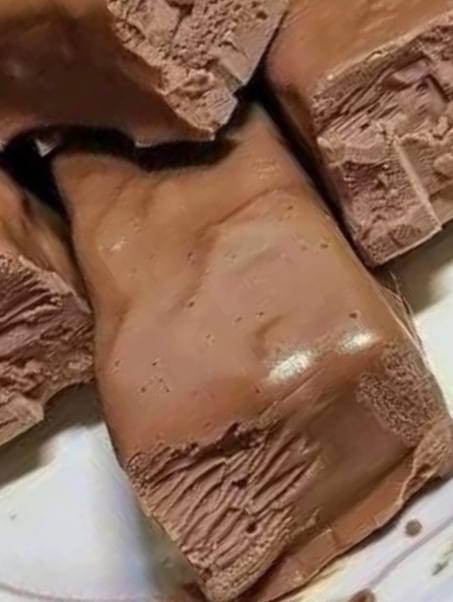
- Cut and Serve: Once completely firm, use the parchment paper overhangs to lift the solid chocolate slab out of the pan. Place it on a cutting board. Using a sharp knife, carefully cut the chocolate into your desired bar or square shapes. For cleaner cuts, you can run your knife under hot water and wipe it dry between cuts.
- Enjoy and Store: Serve immediately and enjoy your homemade chocolate bars! Store any leftovers in an airtight container in the refrigerator to maintain their firmness and freshness.
Cooking Tips and Variations
The Magic Trio: Understanding Your Ingredients
- Cocoa Powder Quality: Since cocoa powder is the star flavor here, invest in a good quality unsweetened cocoa. Dutch-processed cocoa will give a darker color and milder chocolate flavor, while natural cocoa powder offers a fruitier, more intense chocolate hit.
- Coconut Oil: Virgin coconut oil is recommended for its subtle coconut aroma and flavor, which complements chocolate beautifully. Refined coconut oil is an option if you prefer no coconut taste. The coconut oil is crucial for the “set” and texture of these no-bake bars, as it becomes solid when chilled.
- Powdered Sugar: Powdered sugar (confectioners’ sugar) is key for a smooth, melt-in-your-mouth texture. Granulated sugar won’t dissolve properly and will result in a grainy texture.
Tips for Success:
- No Lumps Allowed: Sift your cocoa powder and powdered sugar before mixing if they are prone to clumping. This will ensure a super smooth chocolate mixture.
- Don’t Overheat Coconut Oil: While you want the coconut oil melted, you don’t want it boiling hot. Just warm enough to be liquid.
- Mixing is Key: Ensure you mix thoroughly until there are absolutely no streaks of unmixed cocoa or sugar. The mixture should be uniform in color and consistency.
- Patience with Chilling: Do not rush the chilling process. If the bars aren’t fully firm, they will be messy and difficult to cut.
- Clean Cuts: For perfectly clean-edged bars, dip your knife in hot water, wipe it dry, and then make your cut. Repeat for each cut. This helps the knife glide through the cold chocolate without dragging.
- Temperature Matters: These bars are best enjoyed chilled or at cool room temperature. If they get too warm, the coconut oil will soften, and the bars will become very soft or even melt.
Customization & Variations: Get Creative!
- Add-ins Galore: Once you’ve poured the chocolate mixture into the pan, sprinkle your favorite toppings over the top before chilling.
- Nuts: Chopped almonds, walnuts, pecans, or pistachios.
- Dried Fruit: Dried cranberries, cherries, or raisins.
- Crunch: Crushed pretzels, Graham crackers, shortbread cookies, or rice crispies.
- Sprinkles: For a fun, festive touch.
- Sea Salt: A sprinkle of flaky sea salt on top before chilling enhances the chocolate flavor beautifully.
- Coconut Flakes: To lean into the coconut oil flavor.
- Flavor Twists:
- Vanilla Extract: Add 1/2 teaspoon of good quality vanilla extract to the melted coconut oil for an extra layer of flavor.
- Mint: A few drops of food-grade peppermint extract for a refreshing mint chocolate bar.
- Orange: A touch of orange zest or orange extract pairs wonderfully with chocolate.
- Spices: A pinch of cinnamon, chili powder, or cardamom can add an intriguing depth to your chocolate.
- Different Chocolate Types (with adjustments): While this recipe is for a cocoa powder base, you can adapt it.
- Dark Chocolate Bars: Melt 1 cup of high-quality dark chocolate chips or chopped dark chocolate with 1/4 cup of coconut oil. You might not need additional sugar, or just a tablespoon or two of powdered sugar, depending on the sweetness of your chocolate.
- Milk Chocolate Bars: Melt 1 cup of milk chocolate chips with 1/4 cup of coconut oil. No extra sugar needed.
- Dietary Adjustments:
- Vegan: This recipe is naturally vegan! Just ensure your cocoa powder is vegan-certified.
- Sugar-Free: Replace the powdered sugar with an equal amount of powdered erythritol or another powdered sugar substitute. Adjust to taste as different sweeteners have varying intensities.
Presentation Ideas:
- Gifting: Stack a few bars in a small decorative box or cellophane bag tied with a ribbon for a thoughtful homemade gift.
- Dessert Platter: Arrange them on a dessert platter with fresh berries or a dusting of cocoa powder.
- Mini Bites: Cut into very small squares for a bite-sized treat.
Storage and Reheating
Storage:
- Refrigerator: These homemade chocolate bars must be stored in the refrigerator due to the coconut oil content. Place them in an airtight container, separating layers with parchment paper if stacking, to prevent them from sticking together. They will stay fresh and firm for up to 2 weeks.
- Freezer: For longer storage, you can freeze the bars. Wrap individual bars tightly in plastic wrap, then place them in a freezer-safe airtight container or bag. They can be stored in the freezer for up to 2-3 months.
- Room Temperature: Avoid leaving these bars at room temperature for extended periods, especially in warm environments. The coconut oil will soften quickly, making the bars very soft, oily, and potentially messy. While they won’t necessarily spoil quickly at room temperature, their texture will be compromised.
Reheating:
- No Reheating Needed: These chocolate bars are a no-bake, chilled dessert, and they are not meant to be “reheated.” They are best enjoyed straight from the refrigerator or after a few minutes at a cool room temperature (if you prefer them slightly softer).
- Thawing from Freezer: If you’ve frozen the bars, transfer them to the refrigerator to thaw for a few hours or overnight before serving. You can also let them sit at room temperature for about 15-30 minutes for a quicker thaw, but keep an eye on them to prevent them from becoming too soft.
Frequently Asked Questions
Why are my chocolate bars too soft or melting quickly?
The most common reason for soft or melting chocolate bars is insufficient chilling time or being left out at room temperature for too long. These bars rely on coconut oil, which solidifies when cold and softens when warm. Ensure they are thoroughly chilled in the refrigerator for at least 1-2 hours (or freezer for 30-45 minutes) until completely firm before cutting and serving. Always store them in the refrigerator.
Can I use butter instead of coconut oil?
While you can use melted butter, it will result in a different texture and flavor. Butter has a lower melting point than coconut oil and contains water, so the bars might not set as firmly or last as long. The texture will be more like a soft fudge rather than a firm chocolate bar. For the best “bar-like” consistency in a no-bake recipe, coconut oil is highly recommended.
My mixture is grainy, what went wrong?
A grainy texture usually indicates that the powdered sugar or cocoa powder didn’t fully dissolve or was clumpy. To avoid this, always sift your powdered sugar and cocoa powder before adding them to the melted coconut oil. Ensure you mix the ingredients very thoroughly until the mixture is completely smooth and glossy, with no visible lumps or streaks.
How can I make these bars less sweet?
If you prefer a less sweet chocolate bar, you can slightly reduce the amount of powdered sugar. Start by reducing it by 1-2 tablespoons and taste the mixture before pouring. Remember that unsweetened cocoa powder is quite bitter, so some sweetness is needed to balance the flavor. Alternatively, using a sugar substitute like powdered erythritol allows for sweetness control with fewer calories.