Instructions
- Prepare your fruit purees: For the mango ice cream, take 1 cup of fresh or frozen mango chunks and blend them in a food processor or blender until completely smooth. If using frozen, allow them to thaw slightly first. For the strawberry ice cream, take 1 cup of fresh or frozen strawberries, add 1/4 cup of granulated sugar (or more/less to taste, depending on the sweetness of your berries), and blend until smooth. Taste and adjust sugar if needed. Set both purees aside.
- In a large, chilled mixing bowl, pour in the very cold heavy cream. Using an electric mixer (handheld or stand mixer with a whisk attachment), beat the heavy cream on medium-high speed until stiff peaks form. This means when you lift the beaters, the cream stands up firmly. Be careful not to overbeat, or it will turn grainy.
- Gently fold in the very cold sweetened condensed milk into the whipped cream. Add the vanilla extract and a pinch of salt at this stage, if using. Fold until just combined; do not overmix, as you want to maintain the airiness of the whipped cream.
- Divide the cream mixture: Carefully divide the prepared cream mixture into two separate bowls. This will allow you to create two distinct flavors.
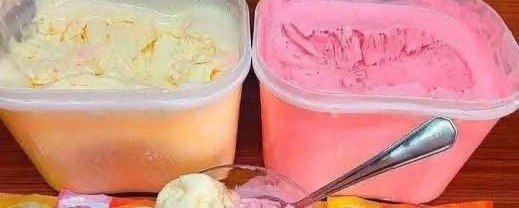
- In the first bowl, gently fold in the prepared mango puree until it is evenly incorporated and the mixture has a uniform pale orange color. Be careful not to deflate the whipped cream.
- In the second bowl, gently fold in the prepared strawberry puree until it is evenly incorporated and the mixture has a uniform pink color. Again, fold gently to maintain the light texture.
- Prepare your freezer-safe containers: Line two separate loaf pans (or similar freezer-safe containers) with plastic wrap, leaving an overhang on the sides. This will make it easier to remove the ice cream later.
- Pour the mango ice cream mixture into one prepared loaf pan and smooth the top with a spatula. Pour the strawberry ice cream mixture into the other prepared loaf pan and smooth its top.
- Cover the ice cream containers tightly with plastic wrap, ensuring no air can get in. This prevents ice crystals from forming.
- Place both containers in the freezer for at least 6-8 hours, or preferably overnight, until the ice cream is firm and scoopable.
- To serve, remove the ice cream from the freezer about 5-10 minutes before scooping to allow it to soften slightly. Enjoy your homemade, easy ice cream!
Cooking Tips and Variations
For the absolute best results, ensure all your dairy ingredients – the heavy cream and sweetened condensed milk – are thoroughly chilled before you begin. Cold ingredients whip up faster and hold their structure better, leading to a creamier ice cream. A chilled mixing bowl and whisk attachments can also significantly help, especially on warmer days. To chill your bowl, simply place it in the freezer for 10-15 minutes before you start whipping the cream. When folding in the condensed milk and fruit purees, use a gentle, upward motion with a spatula to preserve the air you’ve incorporated into the whipped cream. Overmixing at this stage can deflate the base, resulting in a denser, less airy ice cream.
The beauty of this easy ice cream recipe lies in its incredible versatility. The fruit variations are endless! Instead of mango and strawberry, consider other pureed fruits like raspberries, blueberries, peaches, or even bananas. For a rich chocolate ice cream, fold in 1/2 cup of unsweetened cocoa powder along with 1/2 cup of melted and cooled dark chocolate. For a coffee-flavored treat, dissolve 2 tablespoons of instant espresso powder in 2 tablespoons of hot water, cool it completely, and then fold it into the base. You can also add various mix-ins after folding in your flavorings: chocolate chips, chopped nuts (like pecans or walnuts), shredded coconut, crushed cookies, or even mini marshmallows. For a swirl effect, after pouring about half of your flavored base into the container, drizzle some fruit jam, chocolate sauce, or caramel sauce, then add the remaining ice cream and drizzle more sauce before gently swirling with a knife or skewer. Remember to add mix-ins towards the end of the folding process to ensure they are evenly distributed without deflating the mixture.
Another fantastic tip is to use high-quality ingredients. Since there are so few components, the flavor of each really shines through. Opt for fresh, ripe fruit for the best natural sweetness and aroma. If using frozen fruit, make sure it’s unsweetened to control the sugar content yourself. A good quality vanilla extract also makes a noticeable difference in the overall flavor profile of the base. If you’re feeling adventurous, try experimenting with different extracts like almond or peppermint for unique twists. Finally, when transferring the mixture to your freezer-safe container, ensure it’s tightly covered with plastic wrap directly touching the surface of the ice cream, and then an additional layer of foil or the container lid. This double protection is key to preventing freezer burn and the formation of crunchy ice crystals, ensuring your ice cream stays wonderfully smooth.
Storage and Reheating
Storing your easy homemade ice cream properly is crucial for maintaining its creamy texture and delicious flavor. Once the ice cream has fully set in the freezer, ensure it is stored in an airtight, freezer-safe container. If you used plastic wrap to line your loaf pan, you can lift the ice cream block out, remove the plastic wrap, and then transfer the block to a more permanent airtight container. Alternatively, if your loaf pan has a lid, simply ensure it’s sealed tightly. The goal is to minimize exposure to air, which is the main culprit behind freezer burn and the formation of ice crystals. When stored correctly, homemade ice cream can last in the freezer for up to 2-3 weeks. While it might still be edible beyond that, its texture and flavor will start to degrade.
There is no “reheating” process for ice cream in the traditional sense, as it is a frozen dessert. However, to achieve the perfect scoopable consistency, it’s often best to allow the ice cream to “temper” for a few minutes before serving. Remove the container from the freezer and let it sit on the counter at room temperature for about 5-10 minutes. The exact time will depend on how cold your freezer is and the ambient temperature of your kitchen. This brief period allows the ice cream to soften just enough to be easily scooped without being overly hard or completely melted. If the ice cream has been in the freezer for an extended period and is particularly hard, you might need to let it sit for a few minutes longer. Avoid using a microwave to soften ice cream, as this can lead to uneven melting and a less pleasant texture.
When you’re ready to serve, a sturdy ice cream scoop is your best friend. For an even smoother scooping experience, you can dip your scoop in hot water before each scoop, wiping off any excess water. This helps the scoop glide through the ice cream more easily, creating those perfect, round scoops. If you only plan to eat a portion of the ice cream, try to scoop out what you need and return the rest to the freezer as quickly as possible. Repeated thawing and refreezing can negatively impact the texture, making it icier over time. By following these simple storage and serving tips, you can enjoy your delicious, easy homemade ice cream at its very best, every single time.
Frequently Asked Questions
Can I make this recipe dairy-free?
Yes, you can absolutely adapt this recipe to be dairy-free! Instead of heavy cream, use full-fat canned coconut cream (chilled overnight in the fridge, then scoop out the thick cream from the top). For the sweetened condensed milk, look for dairy-free versions made from coconut milk or oat milk, which are now widely available in most grocery stores. The fruit purees remain the same. The texture might be slightly different due to the coconut base, but it will still be wonderfully creamy and delicious.
Why did my ice cream turn out icy instead of creamy?
Icy ice cream is typically caused by two main factors: not enough fat or too much water, and improper storage. Ensure your heavy cream is whipped to stiff peaks to incorporate plenty of air, which helps prevent ice crystals. Also, make sure your sweetened condensed milk is very cold, as this contributes to the overall fat content and creaminess. Crucially, when storing, cover the ice cream surface directly with plastic wrap before sealing the container. This prevents air from reaching the ice cream and forming ice crystals. Repeated thawing and refreezing can also lead to iciness, so try to scoop and return to the freezer quickly.
How long does it take for the ice cream to freeze solid?
This easy ice cream recipe typically needs at least 6-8 hours to freeze solid enough for scooping. For the best results and a firmer texture, we highly recommend freezing it overnight (10-12 hours). The exact freezing time can vary depending on the temperature of your freezer and the size and shape of your container. Smaller, shallower containers will freeze faster than larger, deeper ones.