Instructions
- Prepare the Tangzhong: In a small saucepan, whisk together the 3 tablespoons of bread flour and 1/2 cup of whole milk until smooth. Place the saucepan over medium-low heat and cook, stirring constantly with a whisk or rubber spatula, until the mixture thickens to a paste-like consistency, similar to a thick gravy or wallpaper paste. This should take about 3-5 minutes. The temperature should reach 149°F (65°C). Remove from heat, transfer the Tangzhong to a small bowl, cover with plastic wrap pressed directly onto the surface to prevent a skin from forming, and let it cool to room temperature.
- Combine Dry Ingredients: In the bowl of a stand mixer fitted with the dough hook attachment, combine the 2 1/2 cups bread flour, granulated sugar, salt, and yeast. Whisk briefly to combine.
- Add Wet Ingredients: Add the cooled Tangzhong, warmed 1/2 cup milk, and the large egg to the dry ingredients in the mixer bowl.
- Knead the Dough (Initial): Mix on low speed until a shaggy dough forms, about 2 minutes. The dough will be sticky. Cover the bowl with a clean kitchen towel and let it rest for 10 minutes. This resting period, called autolyse, helps the flour absorb the liquid and makes kneading easier.
- Knead the Dough (Second Stage): After resting, turn the mixer to medium-low speed and knead for 5 minutes. The dough will still be somewhat sticky.
- Incorporate Butter: Add the softened unsalted butter, one tablespoon at a time, allowing each addition to be mostly incorporated before adding the next. Once all the butter is added, increase the mixer speed to medium and knead for another 10-15 minutes, or until the dough is smooth, elastic, and passes the “windowpane test.” To perform the windowpane test, pinch off a small piece of dough and gently stretch it. If you can stretch it thin enough to see light through it without tearing, your gluten is well-developed.
- First Proof: Transfer the kneaded dough to a lightly oiled large bowl, turning it once to coat. Cover the bowl tightly with plastic wrap or a clean kitchen towel and let it rise in a warm place for 1 to 1.5 hours, or until doubled in size.
- Shape the Loaf: Gently punch down the risen dough to release the air. Transfer it to a lightly floured work surface. Divide the dough into three equal pieces.
- Shape Each Piece: Take one piece of dough and gently flatten it into a rectangle. Fold the top third of the rectangle down towards the center, then fold the bottom third up over the top. Gently press down. Turn the dough 90 degrees and roll it tightly into a log, pinching the seam closed. Repeat with the remaining two pieces of dough.
- Second Proof: Arrange the three dough logs side-by-side in a lightly greased 9×5-inch loaf pan. Cover the pan loosely with plastic wrap or a clean kitchen towel and let it rise in a warm place for 45-60 minutes, or until the dough has risen about 1 inch above the rim of the pan.
- Preheat Oven & Prepare Egg Wash: While the bread is proofing for the second time, preheat your oven to 350°F (175°C). In a small bowl, whisk together the egg yolk and 1 tablespoon of milk for the egg wash.
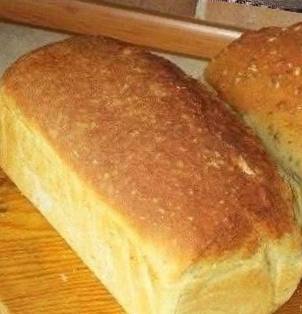
- Bake the Bread: Once the bread has fully proofed, gently brush the top with the egg wash. Bake for 30-35 minutes, or until the top is golden brown and an instant-read thermometer inserted into the center of the loaf registers 190-200°F (88-93°C).
- Cool: Remove the loaf pan from the oven and immediately transfer the bread to a wire rack to cool completely before slicing. This prevents the bottom from becoming soggy and ensures a perfect texture.
Cooking Tips and Variations
For the fluffiest milk bread, ensure your ingredients are at the correct temperature. Milk for activating yeast should be warm, not hot, to avoid killing the yeast. Eggs and butter should be at room temperature for better incorporation into the dough. Don’t rush the kneading process; developing strong gluten is crucial for that characteristic soft, airy crumb. The windowpane test is your best friend here! Also, patience during proofing is key. A warm, draft-free environment will encourage a good rise. If your kitchen is cool, you can proof dough in a slightly warmed, turned-off oven or a proofing box.
To vary your milk bread, consider adding flavorings. A teaspoon of vanilla extract or almond extract can be added with the wet ingredients for a subtle aromatic touch. For a cinnamon swirl, after flattening each dough piece in step 9, sprinkle it with a mixture of cinnamon and a little sugar before rolling it up. You can also make individual milk bread rolls by dividing the dough into 12-16 equal pieces and shaping them into balls instead of logs, then placing them in a greased 9×13-inch baking pan for the second proof. Bake rolls for 20-25 minutes. For a richer bread, substitute half of the whole milk with heavy cream in both the Tangzhong and the dough. For a slight tang, replace 1/4 cup of the milk with buttermilk.
Storage and Reheating
To keep your homemade milk bread fresh and soft, store it at room temperature in an airtight container or a large zip-top bag. It will remain wonderfully soft for 3-4 days. Avoid refrigerating milk bread, as this can actually make it go stale faster. For longer storage, milk bread freezes beautifully. Once the loaf has completely cooled, slice it and place the slices in a freezer-safe bag or wrap the entire loaf tightly in plastic wrap, then aluminum foil. It can be frozen for up to 2-3 months. To reheat, simply thaw slices at room temperature or toast them directly from frozen. A whole frozen loaf can be thawed overnight in the refrigerator or at room temperature, then warmed briefly in a 300°F (150°C) oven for about 10-15 minutes to refresh its crust and interior.
Frequently Asked Questions
Why is my milk bread not as fluffy as I expected?
Several factors can affect fluffiness. The most common reasons are insufficient kneading (which means gluten hasn’t fully developed) or under-proofing (the dough hasn’t risen enough). Ensure you perform the windowpane test to check for adequate gluten development, and allow the dough to double in size during the first proof and rise significantly in the pan during the second proof. Also, make sure your yeast is fresh and active.
Can I make this recipe without a stand mixer?
Yes, you can make milk bread by hand, but it will require more effort and time for kneading. The kneading process by hand will likely take 20-30 minutes, or even longer, to achieve the necessary gluten development. Be prepared for a sticky dough initially, and continue kneading until it’s smooth, elastic, and passes the windowpane test.
What is the Tangzhong method and why is it important?
The Tangzhong method involves cooking a small portion of the flour and liquid (milk in this case) into a paste before adding it to the rest of the dough. This process gelatinizes the starches in the flour, allowing them to absorb and retain more moisture. The result is a dough that is incredibly soft, more elastic, and produces a bread with an exceptionally tender crumb and a much longer shelf life, as the retained moisture keeps it fresh for days.