Instructions
- Heat the olive oil in a large Dutch oven or heavy-bottomed pot over medium heat.
- Add the diced onion, carrots, and celery to the pot. Sauté for 8-10 minutes, stirring occasionally, until the vegetables have softened and the onion is translucent.
- Add the minced garlic to the pot and cook for another 1-2 minutes until fragrant, being careful not to burn it.
- Stir in the diced ham and cook for 3-5 minutes, allowing it to brown slightly and release its flavors.
- Pour in the chicken or ham broth, then add the rinsed and drained white beans, diced tomatoes (with their liquid), bay leaf, dried thyme, and black pepper. If using red pepper flakes, add them now.
- Bring the soup to a gentle boil, then reduce the heat to low, cover, and let it simmer for at least 30 minutes, or up to an hour, allowing the flavors to meld. The longer it simmers, the more developed the taste will be.
- After simmering, taste the soup and adjust seasoning with salt if needed. Remember that ham and broth can be quite salty, so add salt incrementally.
- For a thicker soup, carefully remove about 1 cup of the beans and mash them with a fork or an immersion blender, then return them to the pot and stir. Alternatively, you can use an immersion blender directly in the pot for a few pulses to thicken it slightly while still leaving plenty of whole beans.
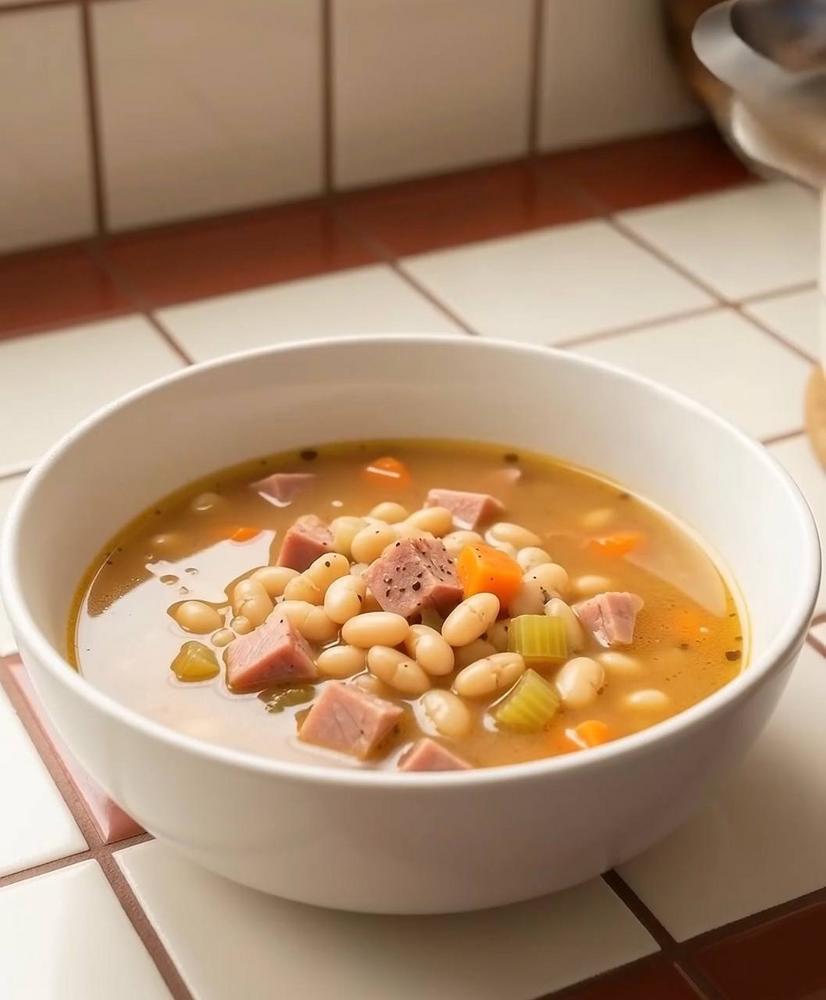
- Remove the bay leaf before serving. Ladle the hot soup into bowls and garnish with fresh chopped parsley.
Cooking Tips and Variations
To truly elevate your Ham and White Bean Soup, consider these pro tips and exciting variations. For the deepest flavor, especially if you have a leftover ham bone, simmer the ham bone in water for several hours to create a rich ham broth. Use this broth as the base for your soup. If you’re using dried white beans instead of canned, remember to soak them overnight or quick-soak them before cooking. To quick-soak, cover the beans with water by 2 inches, bring to a boil for 2 minutes, remove from heat, cover, and let stand for 1 hour. Then drain and proceed with the recipe, allowing extra simmering time (around 1.5-2 hours) for the beans to become tender. Don’t add salt to dried beans until they are nearly cooked through, as salt can toughen their skins. For an even more complex flavor profile, you can add a smoked ham hock to the broth while simmering, removing it before serving and shredding any meat off the bone to add back into the soup. This imparts a wonderful smoky depth.
When it comes to thickening, naturally mashing some of the beans against the side of the pot with the back of a spoon is an excellent way to achieve a creamier consistency without adding any flour or cornstarch. This method also enhances the bean flavor. For serving, nothing beats a hearty bowl of this soup with a side of crusty bread for dipping, or a slice of warm cornbread. A simple green salad can also provide a refreshing counterpoint to the richness of the soup. Be mindful not to overcook the vegetables, particularly the carrots and celery, in the initial sautéing stage; you want them tender-crisp rather than mushy in the final soup.
The beauty of this soup also lies in its adaptability. To add more greens and nutrients, stir in a few handfuls of fresh spinach or chopped kale during the last 10 minutes of simmering until wilted. For those who enjoy a bit more heat, increase the amount of red pepper flakes or add a dash of hot sauce to individual bowls. Experiment with different herbs; a sprig of fresh rosemary or a couple of sprigs of fresh thyme can add a lovely aromatic dimension. If you like more vegetables, consider adding diced potatoes or a cup of frozen corn during the last 15-20 minutes of cooking. A squeeze of fresh lemon juice or a splash of apple cider vinegar at the very end can brighten all the flavors and add a subtle tang that really makes the soup sing. Don’t be afraid to make this recipe your own!
Storage and Reheating
Ham and White Bean Soup is one of those dishes that often tastes even better the next day, making it an excellent candidate for meal prep or enjoying as leftovers. To store, allow the soup to cool completely to room temperature within two hours of cooking. Transfer the cooled soup to airtight containers. It will keep well in the refrigerator for up to 3-4 days. Ensure the containers are sealed tightly to prevent any absorption of refrigerator odors.
For longer storage, this soup freezes beautifully. Once cooled, portion the soup into freezer-safe containers or heavy-duty freezer bags. If using bags, lay them flat in the freezer to save space. The soup can be stored in the freezer for up to 3 months. When ready to enjoy, thaw frozen soup overnight in the refrigerator, or gently reheat from frozen on the stovetop over low heat, stirring occasionally, adding a little extra broth or water if it’s too thick.
To reheat refrigerated soup, the best method is on the stovetop. Pour the desired amount of soup into a saucepan and heat over medium-low heat, stirring occasionally, until it is hot and bubbling. You may need to add a splash of chicken broth or water if the soup has thickened considerably in the refrigerator. Alternatively, you can reheat individual servings in the microwave. Transfer the soup to a microwave-safe bowl, cover loosely, and microwave on high for 2-3 minutes, stirring halfway through, until heated through. Be cautious as ham can sometimes dry out if overheated in the microwave, so heating gently is key. Always ensure the soup is heated to an internal temperature of 165°F (74°C) before serving.
Frequently Asked Questions
Can I use any type of white beans for this soup?
Yes, absolutely! While Great Northern beans and Navy beans are classic choices for their creamy texture and mild flavor, cannellini beans (white kidney beans) also work wonderfully. Each type will offer a slightly different texture and subtlety in taste, but all will result in a delicious soup. If using dried beans, remember to soak them and allow for longer cooking times.
What if I don’t have a ham bone for broth?
No problem at all! While a ham bone adds incredible depth, you can achieve fantastic flavor using good quality store-bought chicken broth or even vegetable broth. Look for low-sodium options so you can control the salt content. If you want to enhance the smoky flavor without a ham bone, consider adding a smoked ham hock to simmer with the soup, then remove it before serving, or a very small amount of liquid smoke (just a drop or two) if you’re feeling adventurous.
My soup seems too thin/thick. How can I adjust the consistency?
If your soup is too thin, the easiest way to thicken it naturally is to remove about 1-2 cups of the soup, mash the beans with a fork or an immersion blender, and then stir the mashed mixture back into the pot. You can also use an immersion blender directly in the pot for a few quick pulses until you reach your desired consistency. If the soup is too thick, simply add more chicken broth or water, a quarter cup at a time, until it reaches your preferred consistency. Remember, soup tends to thicken as it cools, so keep that in mind when serving.