Instructions
- Begin by carefully selecting your strawberries. Choose berries that are bright red, firm, and fragrant, as these will yield the most flavorful juice. Avoid any berries that are bruised, moldy, or pale in color.
- Thoroughly wash the strawberries under cool running water. This helps to remove any dirt, pesticides, or other residues. Gently pat them dry with a clean kitchen towel or paper towels.
- Hull the strawberries by removing the green leafy tops and the small white core. A small paring knife or a strawberry huller works best for this. Once hulled, quarter the strawberries to make them easier to blend.
- Place the hulled and quartered strawberries into a high-speed blender. Add 1 cup of cold filtered water.
- Secure the lid on the blender and blend on high speed until the mixture is completely smooth and no large pieces of strawberry remain. This usually takes about 1-2 minutes, depending on the power of your blender.
- Taste the blended mixture. If you prefer a sweeter juice, now is the time to add your chosen sweetener. Start with 2 tablespoons of sugar, honey, maple syrup, or stevia, blend again briefly to combine, and then taste. Add more sweetener in small increments until it reaches your desired level of sweetness.
- If you desire a brighter, more zesty flavor, add 1 tablespoon of fresh lemon or lime juice to the blender and blend for a few more seconds.
- To achieve a smooth, pulp-free juice, you will need to strain the mixture. Place a fine-mesh sieve or a nut milk bag over a large bowl or pitcher.
- Pour the blended strawberry mixture into the sieve or nut milk bag.
- If using a sieve, use the back of a spoon or a rubber spatula to press the pulp against the mesh, forcing the juice through into the bowl below. Continue pressing until all the liquid has been extracted and only the fibrous pulp and seeds remain in the sieve.
- If using a nut milk bag, gather the top of the bag and gently squeeze the bag to extract all the juice into the bowl or pitcher. Be patient, as this might take a few minutes.
- Discard the remaining pulp and seeds.
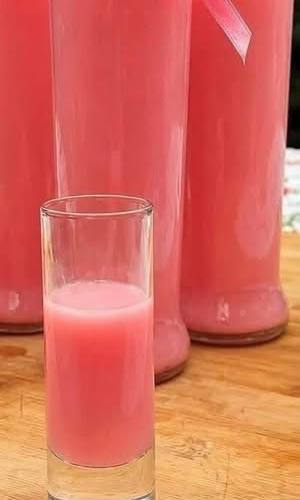
- Pour the freshly strained strawberry juice into glasses.
- Serve immediately over ice, garnished with a fresh strawberry slice or a sprig of mint, if desired.
- For optimal refreshment, chill the juice in the refrigerator for at least 30 minutes before serving.
Cooking Tips and Variations
To achieve the absolute best homemade strawberry juice, start with the freshest and ripest strawberries you can find. Farmers’ markets are often an excellent source for peak-season berries that are bursting with natural sweetness and fragrance. The quality of your strawberries directly impacts the flavor of your juice, so don’t compromise here. If your berries are exceptionally sweet, you might find you don’t need to add any sweetener at all, allowing the natural fruit flavor to truly shine. Conversely, if your berries are a bit tart, feel free to adjust the sweetener to your personal preference, adding it gradually and tasting as you go.
For a truly silky-smooth juice, don’t skimp on the straining process. A fine-mesh sieve will work, but a nut milk bag will yield an even smoother, pulp-free result. If you prefer a thicker, more smoothie-like consistency, you can skip the straining step entirely or strain only partially, leaving some of the pulp in for added fiber and texture. Experiment to find what you enjoy most. Chilling your ingredients, especially the water, before blending can also result in a colder, more refreshing juice right off the bat.
Variations:
- Berry Blast: Incorporate other berries like raspberries, blueberries, or blackberries along with the strawberries for a vibrant mixed-berry juice. Adjust the sweetness as needed, as some berries can be tarter than others.
- Tropical Twist: Add a slice or two of fresh pineapple or a small piece of mango to the blender with the strawberries for an exotic flavor profile. A squeeze of lime juice will enhance these tropical notes.
- Herbal Infusion: For a sophisticated touch, blend in a few fresh mint leaves or a sprig of basil with the strawberries. Strain as usual. The subtle herbal notes will add a refreshing complexity to the juice. You can also muddle mint leaves in the serving glass before pouring the juice.
- Ginger Zing: Add a small piece (about 1/2 inch) of peeled fresh ginger to the blender for a subtle spicy kick. Ginger pairs beautifully with strawberries and adds an invigorating warmth.
- Sparkling Strawberry: To make a sparkling juice, prepare the concentrated strawberry juice as directed but use less water in the blending stage. Then, dilute it with sparkling water or club soda when serving for a bubbly, effervescent drink.
- Strawberry Lemonade/Limeade: Increase the amount of lemon or lime juice significantly and add more sweetener to taste, turning your strawberry juice into a delightful strawberry lemonade or limeade.
Serving Suggestions:
- Serve your homemade strawberry juice well chilled, poured over plenty of ice in tall glasses.
- Garnish each glass with a fresh strawberry slice, a whole strawberry on the rim, or a sprig of fresh mint or basil for an elegant touch.
- Use it as a base for refreshing mocktails by mixing with sparkling water, a splash of lime, and some muddled mint.
- For adult beverages, it makes an excellent mixer for vodka, gin, or white rum.
- Freeze small portions in ice cube trays to add to water, lemonade, or other drinks for a burst of strawberry flavor without diluting.
Storage and Reheating
Proper storage is key to maintaining the freshness and flavor of your homemade strawberry juice. Once prepared, transfer the juice to an airtight container, such as a glass pitcher with a lid or sealed bottles. Store it promptly in the refrigerator. When stored correctly, homemade strawberry juice will remain fresh and delicious for up to 3 days. Beyond this period, the flavor may start to diminish, and the juice might begin to ferment slightly. It’s always best to consume it within this timeframe for the optimal taste experience.
Homemade strawberry juice is not typically “reheated” in the traditional sense, as it is primarily a cold beverage. However, if you’ve chilled it and want to bring it closer to room temperature before serving, simply let it sit out on the counter for 10-15 minutes. Avoid heating it on the stove or in the microwave, as this can degrade the fresh flavors and nutritional content of the strawberries. The beauty of this juice lies in its refreshing coldness.
For longer-term storage, homemade strawberry juice can be frozen. Pour the juice into freezer-safe containers, leaving a little headspace at the top as liquids expand when frozen. Alternatively, you can freeze the juice in ice cube trays. Once the cubes are solid, transfer them to a freezer-safe bag or container to save space. Frozen strawberry juice will maintain its quality for up to 2-3 months. When you’re ready to enjoy it, simply thaw the juice in the refrigerator overnight or let the ice cubes melt in a glass. Thawed juice is best consumed within 24 hours.
Frequently Asked Questions
Can I use frozen strawberries instead of fresh ones?
Yes, you can absolutely use frozen strawberries! They work wonderfully for making juice, especially when fresh strawberries are out of season or expensive. There’s no need to thaw them beforehand; simply add them to the blender along with the water and proceed with the recipe. Keep in mind that frozen strawberries might require a bit more blending time to become smooth, and the resulting juice might be slightly thicker and colder, which can be a pleasant bonus.
Do I have to strain the juice?
Straining the juice is entirely optional and depends on your personal preference. If you prefer a smooth, pulp-free, and seed-free juice, then straining through a fine-mesh sieve or a nut milk bag is highly recommended. However, if you enjoy a thicker texture with some natural pulp and fiber, you can skip the straining step altogether. This will result in a more “whole fruit” beverage, similar to a very thin smoothie, which is also delicious and retains more of the fruit’s dietary fiber.
How can I make this juice healthier or reduce the sugar content?
To make your strawberry juice even healthier, the best approach is to use very ripe and naturally sweet strawberries, which may eliminate the need for added sweeteners. If you still desire some sweetness, opt for natural alternatives like a small amount of honey, maple syrup, or a natural sugar substitute like stevia, adjusting to your taste. You can also dilute the juice with a bit more water or sparkling water to reduce the overall sugar per serving. Including a squeeze of fresh lemon or lime juice can also brighten the flavor without adding extra sugar.
What if my juice is too thick or too thin?
The consistency of your homemade strawberry juice is easily adjustable. If your juice turns out too thick after blending and straining, simply add a tablespoon or two of cold water at a time, stirring well after each addition, until it reaches your desired consistency. If, on the other hand, your juice is too thin, you can try reducing the amount of water in your next batch. For the current batch, you might consider adding a few more fresh strawberries (blend them separately with minimal water if needed) or incorporating it into a smoothie to thicken it up.