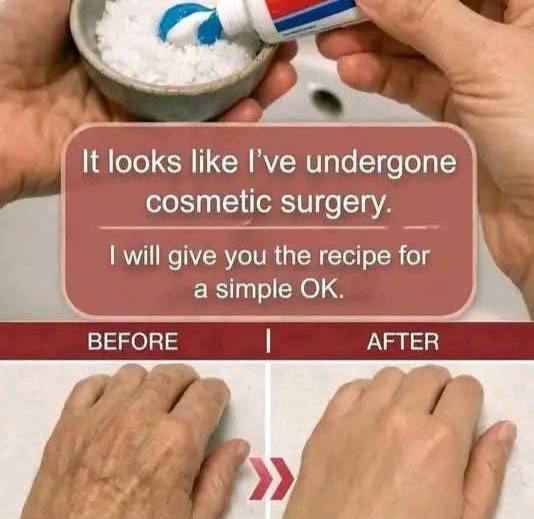
Instructions
- Prepare Your Workspace: Ensure you have a clean, well-lit area. Wash your hands thoroughly with soap and water before beginning to prevent the transfer of bacteria to your skin.
- Gather Ingredients: Collect your chosen toothpaste (white, non-gel is preferred due to fewer additives and dyes) and either fine-grain salt or granulated sugar.
- Measure Toothpaste: Dispense approximately 1 teaspoon of the toothpaste into the small, non-metallic bowl. It’s important to use a fresh squeeze of toothpaste to avoid any contamination.
- Add Exfoliant (Optional but Recommended in this context): Carefully add 1/2 teaspoon of your chosen exfoliant (salt or sugar) to the bowl with the toothpaste. The granular texture of these ingredients is often cited in these remedies for its purported exfoliating action.
- Mix Thoroughly: Using the back of a spoon or a small spatula, gently mix the toothpaste and the salt/sugar together until a relatively uniform paste is formed. Avoid over-mixing, which might dissolve the sugar or salt too much if using a liquid-based toothpaste.
- Perform a Patch Test (CRUCIAL STEP): Before applying this mixture to your face, it is absolutely vital to perform a patch test. Apply a tiny amount (about the size of a pea) of the mixture to an inconspicuous area of your skin, such as behind your ear or on the inside of your forearm. Leave it on for 5-10 minutes.
- Observe for Reactions: After the patch test duration, gently rinse off the mixture from the tested area. Wait 24 hours to observe for any adverse reactions such as redness, itching, burning, excessive dryness, or irritation. If any reaction occurs, *do not proceed* with applying this remedy to your face.
- Cleanse Your Face (If Patch Test is Successful): If your patch test showed no adverse reaction, gently cleanse your face with a mild, non-drying cleanser. Pat your skin dry with a clean towel. This ensures your skin is free of makeup, dirt, and oils, allowing for better “application” of the remedy.
- Apply to Affected Areas: Using a clean cotton swab or a clean fingertip, carefully dab a very thin layer of the toothpaste mixture directly onto the age spots or wrinkles you wish to target. Avoid applying to large areas of your face, especially sensitive areas like around the eyes or mouth.
- Allow to “Work”: Leave the mixture on the skin for a very short duration, typically no more than 5-10 minutes. For first-time users, start with an even shorter duration (2-3 minutes) to gauge your skin’s tolerance. Do not exceed 10 minutes, as prolonged contact can lead to irritation.
- Gentle Removal: After the designated time, dampen a soft cloth with lukewarm water. Gently wipe away the toothpaste mixture from your skin. Avoid harsh scrubbing or rubbing, which can irritate the skin further.
- Rinse Thoroughly: Rinse your face thoroughly with lukewarm water to ensure all traces of the toothpaste mixture are removed. Pay close attention to the areas where the mixture was applied.
- Pat Dry and Moisturize: Gently pat your face dry with a clean, soft towel. Immediately follow up with a gentle, hydrating, non-comedogenic moisturizer to help soothe and protect the skin barrier.
- Frequency of Application (with extreme caution): Due to the potential for irritation, if you choose to proceed, this “remedy” should be used very sparingly, perhaps once or twice a week at most, and only if your skin shows no signs of irritation. Discontinue use immediately if any adverse reactions occur.
Cooking Tips and Variations
While “cooking” isn’t the right term here, we can offer “application tips and variations” for this home remedy, always with a strong emphasis on caution.
Tips for Best Results (if you choose to proceed with extreme caution):
- Consistency is Key for Mixing: When mixing the toothpaste and salt/sugar, aim for a smooth, spreadable paste. If it’s too thick, it might be hard to apply evenly. If it’s too thin, it might run.
- Use Fresh Ingredients: Always use fresh toothpaste and clean salt/sugar to minimize any potential bacterial contamination.
- Apply Sparingly: Less is more with this remedy. A very thin layer is sufficient. Over-applying can increase the risk of irritation.
- Listen to Your Skin: Your skin will tell you if something is wrong. Any stinging, burning, itching, or excessive redness is a clear signal to rinse immediately and discontinue use.
- Follow with Hydration: Toothpaste can be drying. Always apply a good quality, gentle moisturizer immediately after rinsing to help restore moisture and protect your skin barrier.
Variations (for those exploring similar home remedies, again, with extreme caution):
- Toothpaste Only Application: Some variations suggest using just toothpaste, without the added exfoliant. This might reduce the physical abrasion but still carries the risk of chemical irritation from toothpaste ingredients.
- Dilution with Water: For very sensitive skin, some might suggest diluting the toothpaste slightly with a few drops of water before application to create a milder paste. However, this doesn’t eliminate the inherent risks.
- Using Baking Soda Instead of Salt/Sugar: Baking soda is another common household ingredient cited for its exfoliating and pH-altering properties. If using baking soda, mix a very small pinch with toothpaste to form a paste. Be aware that baking soda can also be very irritating and disrupt the skin’s natural pH balance.
- Adding a Drop of Lemon Juice (HIGHLY DISCOURAGED): Some home remedies suggest adding a drop of lemon juice for its purported brightening effects. This is strongly discouraged as lemon juice is highly acidic and photosensitizing, meaning it can cause severe burns, irritation, and hyperpigmentation when exposed to sunlight. Avoid at all costs.
- Using Specific Toothpaste Types: While this article recommends plain white toothpaste, some home remedies might specify toothpastes with baking soda or hydrogen peroxide. While these ingredients *can* have effects on skin (exfoliating, brightening, drying), their concentration and formulation in toothpaste are not designed for facial application and can be very harsh.
Storage and Reheating
This “remedy” is not designed for storage or “reheating.” It should always be prepared fresh immediately before each intended use. Storing a pre-mixed toothpaste and salt/sugar paste is not recommended for several reasons:
- Loss of Efficacy: The texture and properties of the mixture can change over time. Salt or sugar might dissolve, altering the exfoliating action.
- Bacterial Contamination: Once mixed and exposed to air, the paste can become a breeding ground for bacteria, especially if components like sugar are present. Applying contaminated paste to your face increases the risk of skin infections or irritation.
- Ingredient Degradation: Some active ingredients in toothpaste might degrade or become less stable when exposed to air for prolonged periods, especially when mixed with other substances.
- Hygienic Concerns: For any topical application to the skin, especially on the face, freshness and hygiene are paramount. Using a fresh batch ensures you are applying the cleanest possible mixture.
Therefore, any leftover mixture should be discarded immediately after use. Do not attempt to store it for future applications. If you decide to try this remedy again (after careful consideration and monitoring for skin reactions), always prepare a fresh batch each time.
Frequently Asked Questions
Is it safe to use toothpaste on my face for age spots and wrinkles?
No, it is generally NOT safe to use toothpaste on your face for age spots and wrinkles. Toothpaste is formulated for oral hygiene, not for topical application to the delicate skin of the face. It contains ingredients like detergents, abrasives, fluoride, and strong flavorings that can be highly irritating, drying, and potentially damaging to the skin. It can disrupt the skin’s natural pH barrier, leading to redness, burning, peeling, allergic reactions, and even post-inflammatory hyperpigmentation (dark spots) which can worsen the appearance of age spots. Always consult a dermatologist before trying unconventional skincare remedies.
What ingredients in toothpaste are believed to help with age spots and wrinkles, and what are the actual risks?
Some people believe that ingredients like baking soda (for exfoliation), hydrogen peroxide (for bleaching/brightening), or even triclosan (an antibacterial agent) found in certain toothpastes might help. However, the concentration and formulation of these ingredients in toothpaste are too harsh for facial skin. Baking soda can severely disrupt the skin’s pH, leading to dryness and irritation. Hydrogen peroxide can cause chemical burns, sensitivity, and further damage to skin cells. Even common detergents in toothpaste can strip the skin of its natural oils, compromising its protective barrier. The risks far outweigh any unproven, anecdotal benefits.
Are there any natural and safe alternatives for reducing age spots and wrinkles?
Absolutely! There are many natural and scientifically-backed alternatives that are safe and effective. For age spots, consider topical vitamin C serums, niacinamide, alpha hydroxy acids (AHAs) like glycolic acid (in appropriate concentrations), and consistent use of broad-spectrum sunscreen (SPF 30+). For wrinkles, retinoids (Vitamin A derivatives), hyaluronic acid, peptides, and antioxidants are excellent options. A diet rich in antioxidants, adequate hydration, and a healthy lifestyle also contribute significantly to skin health. Always consult a dermatologist for personalized advice on safe and effective treatments.
How often can I use this toothpaste remedy if I decide to try it despite the warnings?
Given the significant risks and lack of scientific evidence, it is strongly advised not to use this toothpaste remedy at all. However, if you choose to proceed against professional advice, it should be used with extreme caution and very sparingly. A patch test is non-negotiable, and if no adverse reaction occurs after 24 hours, apply it for a very short duration (2-5 minutes initially) to a small, targeted area, no more than once or twice a week at absolute most. Discontinue immediately if you experience any discomfort, redness, dryness, or irritation. Prioritizing your skin’s health and safety by avoiding such harsh remedies is always the best approach.