Instructions
- Prepare the Lemon Cake Layers: Preheat your oven to 350°F (175°C). Grease and flour two 8-inch round cake pans or line with parchment paper. In a medium bowl, whisk together the flour, baking powder, baking soda, and salt. Set aside.
- In a large bowl, using an electric mixer, cream together the softened butter and granulated sugar until light and fluffy, about 3-5 minutes. Beat in the eggs one at a time, incorporating each egg fully before adding the next. Stir in the lemon zest and vanilla extract.
- In a separate small bowl or measuring cup, combine the fresh lemon juice and buttermilk. Gradually add the dry ingredients to the wet ingredients in three additions, alternating with the buttermilk mixture, beginning and ending with the dry ingredients. Mix until just combined, being careful not to overmix.
- Divide the batter evenly between the two prepared cake pans. Bake for 25-30 minutes, or until a wooden skewer inserted into the center comes out clean. Let the cake layers cool in the pans for 10-15 minutes before inverting them onto a wire rack to cool completely.
- Prepare the Cheesecake Filling: Reduce oven temperature to 325°F (160°C). In a medium bowl, using an electric mixer, beat the softened cream cheese until smooth and creamy. Add the granulated sugar and mix until well combined.
- Beat in the egg, lemon juice, vanilla extract, and salt until just combined. Do not overmix. Pour the cheesecake batter into a greased 8-inch springform pan.
- Place the springform pan inside a larger roasting pan. Fill the roasting pan with about 1 inch of hot water to create a water bath. Carefully transfer to the oven.
- Bake for 45-55 minutes, or until the edges are set but the center still jiggles slightly when gently shaken. Turn off the oven and leave the cheesecake in the oven with the door ajar for 1 hour. Remove from the water bath and let cool completely on a wire rack. Once cool, cover and refrigerate for at least 4 hours, or preferably overnight, until firm.
- Prepare the Lemon Cream Cheese Frosting: In a large bowl, using an electric mixer, beat the softened cream cheese and softened butter until smooth and creamy.
- Gradually add the sifted powdered sugar, 1 cup at a time, mixing until fully incorporated after each addition.
- Stir in the fresh lemon juice, lemon zest, vanilla extract, and pinch of salt. Beat on medium-high speed until the frosting is light and fluffy, about 3-5 minutes.
- Assemble the Lemon Cheesecake Cake: Once both cake layers and the cheesecake are completely cooled and chilled, carefully remove the cheesecake from the springform pan.
- Place one lemon cake layer on your serving plate or cake stand. Spread a generous layer of lemon cream cheese frosting over the top.
- Carefully place the chilled cheesecake disc on top of the first frosted cake layer.
- Spread another layer of frosting over the cheesecake. Place the second lemon cake layer on top.
- Frost the top and sides of the entire cake with the remaining lemon cream cheese frosting. Use an offset spatula or bench scraper to smooth the frosting.
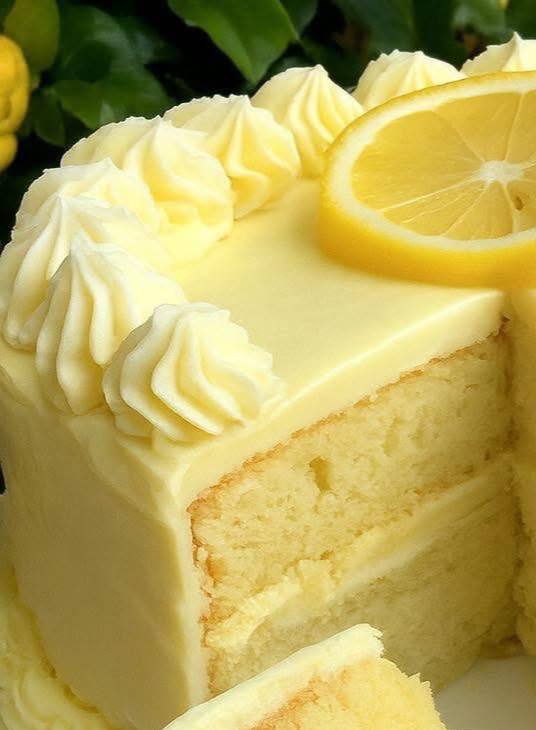
- Garnish and Serve: If desired, garnish the top of the cake with thin lemon slices and additional lemon zest.
- Refrigerate the cake for at least 30 minutes before slicing and serving to allow the frosting to set.
Cooking Tips and Variations
For the best results, always ensure your butter, eggs, cream cheese, and buttermilk are at room temperature. This helps create a smooth, emulsified batter and prevents lumps in your frosting and cheesecake, leading to a much more consistent and delicious end product. When zesting lemons, be sure to only get the yellow part of the peel, as the white pith underneath can be bitter. For an extra bright lemon flavor, you can add an additional teaspoon of lemon zest to the cake batter. To prevent your cheesecake from cracking, avoid overbaking it; it should still have a slight jiggle in the center when removed from the oven. The water bath is crucial for even baking and a smooth, crack-free surface. Also, allowing the cheesecake to cool gradually in the oven before chilling helps prevent thermal shock that can cause cracks. When frosting, chilling your cake layers for about 15-20 minutes before applying the frosting can make them firmer and easier to handle, preventing crumbling. If your frosting seems too thick, add a tiny splash of milk or cream; if it’s too thin, gradually add more sifted powdered sugar.
You can easily vary this recipe to suit your taste. For a different citrus twist, try substituting lime or orange juice and zest for the lemon. A Key Lime Cheesecake Cake or an Orange Cream Cheesecake Cake would be equally delightful. For an added texture, consider folding some finely chopped toasted pecans or walnuts into the cake batter. You could also mix some fresh blueberries or raspberries into the cheesecake batter for a fruity burst. If you prefer a lighter frosting, you can make a simple lemon glaze by whisking powdered sugar with lemon juice and drizzling it over the cake instead of a full cream cheese frosting. For an elegant presentation, pipe decorative borders or rosettes on top of the cake using a piping bag fitted with a star tip, or sprinkle some edible glitter for a touch of sparkle. A homemade berry compote or fresh berries can also be served alongside each slice for an extra layer of flavor and visual appeal.
Storage and Reheating
To keep your Lemon Cheesecake Cake fresh, store any leftovers in an airtight container in the refrigerator. Due to the cream cheese in both the cheesecake filling and the frosting, it is essential to keep this cake chilled. It will maintain its best flavor and texture for up to 3-4 days when properly stored. To serve, you can enjoy it directly from the refrigerator, or let it sit at room temperature for about 15-20 minutes to slightly soften the frosting and enhance the flavors, though this is optional. We do not recommend reheating this cake, as the delicate textures of both the cake and cheesecake would be compromised, leading to a less enjoyable experience. The beauty of this cake lies in its cool, refreshing quality, making it perfect served chilled.
Freezing this cake is possible, though it’s best to freeze individual slices rather than the whole cake for easier thawing and serving. To freeze, place slices on a baking sheet and freeze until firm, about 1-2 hours. Once firm, wrap each slice tightly in plastic wrap, then an additional layer of aluminum foil to prevent freezer burn. Store in an airtight container or freezer bag for up to 1 month. To thaw, simply unwrap a slice and let it sit in the refrigerator overnight, or at room temperature for a couple of hours until defrosted. The texture of the cake layers might be slightly softer after thawing, but the flavor will remain delicious. The frosting might also weep slightly upon thawing, but this is usually minor.
Frequently Asked Questions
Can I make the cake and cheesecake ahead of time?
Absolutely! Both the cake layers and the cheesecake can be made a day or two in advance. Once cooled, wrap the cake layers tightly in plastic wrap and store at room temperature. The cheesecake should be covered and refrigerated until firm. This allows for easier assembly on the day you plan to serve the cake and helps break down the baking process into more manageable steps.
How do I prevent my cheesecake from cracking?
Several factors contribute to cheesecake cracking. Using room temperature ingredients helps create a smooth batter without overmixing. Overmixing can incorporate too much air, which expands during baking and then collapses. Baking in a water bath provides a moist, even heat, preventing the edges from baking too quickly. Also, avoid overbaking; the cheesecake should still have a slight jiggle in the center. Finally, allowing the cheesecake to cool gradually in the oven with the door ajar before chilling helps prevent sudden temperature changes that can lead to cracks.
Can I use bottled lemon juice instead of fresh?
While bottled lemon juice can be used in a pinch, fresh lemon juice and zest are highly recommended for this recipe. Fresh lemons provide a much brighter, more vibrant, and authentic citrus flavor that truly elevates the Lemon Cheesecake Cake. The zest, in particular, contains essential oils that contribute significantly to the overall aroma and taste, which bottled juice simply cannot replicate. For the best possible flavor, always opt for fresh lemons.