Instructions
- Prepare the Fruit: In a large bowl, combine the mixed candied fruit, dark raisins, golden raisins, and currants. Pour 1 cup of brandy, rum, or orange juice over the fruit. Stir well to combine. Cover the bowl and let the fruit soak for at least 4 hours, or preferably overnight, at room temperature. If soaking overnight, stir occasionally.
- Prepare the Pan: Preheat your oven to 300°F (150°C). Grease and flour a 9-inch round springform pan or a 9×5-inch loaf pan. Line the bottom and sides with parchment paper, leaving an overhang on the sides to easily lift the cake out later. You can also double-line the outside of the pan with brown paper or foil to prevent the edges from over-browning.
- Dust the Fruit: Once the fruit has soaked, drain any excess liquid (reserve it if you plan to “feed” the cake later). In a separate bowl, toss the soaked fruit and optional chopped nuts with the 1/4 cup of all-purpose flour. This step helps prevent the fruit from sinking to the bottom of the cake during baking.
- Cream Butter and Sugar: In a large mixing bowl, using an electric mixer, cream together the softened butter and brown sugar until light and fluffy, about 3-5 minutes.
- Add Eggs and Vanilla: Beat in the eggs one at a time, mixing well after each addition. Scrape down the sides of the bowl as needed. Stir in the vanilla extract.
- Combine Dry Ingredients: In a medium bowl, whisk together the remaining 2 1/4 cups all-purpose flour, cinnamon, nutmeg, cloves, allspice, baking powder, and salt.
- Alternate Wet and Dry: Gradually add the dry ingredients to the wet ingredients in three additions, alternating with the molasses and milk. Begin and end with the dry ingredients. Mix on low speed until just combined, being careful not to overmix.
- Fold in Fruit: Gently fold in the floured fruit mixture until evenly distributed throughout the batter.
- Fill the Pan: Spoon the batter into the prepared pan, spreading it evenly. Smooth the top with a spatula.
- Bake the Cake: Place the cake pan in the preheated oven. Bake for 1 hour and 30 minutes to 2 hours, or until a wooden skewer inserted into the center comes out clean. If the top starts to brown too quickly, you can loosely cover it with aluminum foil. For extra moisture, some bakers place a shallow pan of water on the bottom rack of the oven during baking.
- Cool the Cake: Once baked, remove the cake from the oven and let it cool in the pan on a wire rack for 15-20 minutes.
- Glaze (Optional): While the cake is still warm, if desired, prepare a simple syrup glaze. In a small saucepan, combine 1/4 cup granulated sugar and 1/4 cup water. Heat over medium heat, stirring until the sugar dissolves. Bring to a simmer for 1-2 minutes. Brush this warm syrup over the top and sides of the warm fruit cake.
- Final Cooling and Wrapping: After glazing (or if not glazing), carefully remove the cake from the pan and let it cool completely on a wire rack. Once fully cooled, wrap the cake tightly in plastic wrap, then in aluminum foil.
Cooking Tips and Variations
Achieving the perfect Old-Fashioned Fruit Cake is a labor of love, and a few key techniques can make all the difference. First and foremost, soaking the fruit is crucial. This step not only plumps up the dried fruits, making them incredibly moist and flavorful, but also prevents them from absorbing moisture from your cake batter, which can lead to a dry cake. You can soak them in brandy, rum, or even orange juice for a non-alcoholic version. Aim for at least 4 hours, but overnight is ideal for maximum absorption.
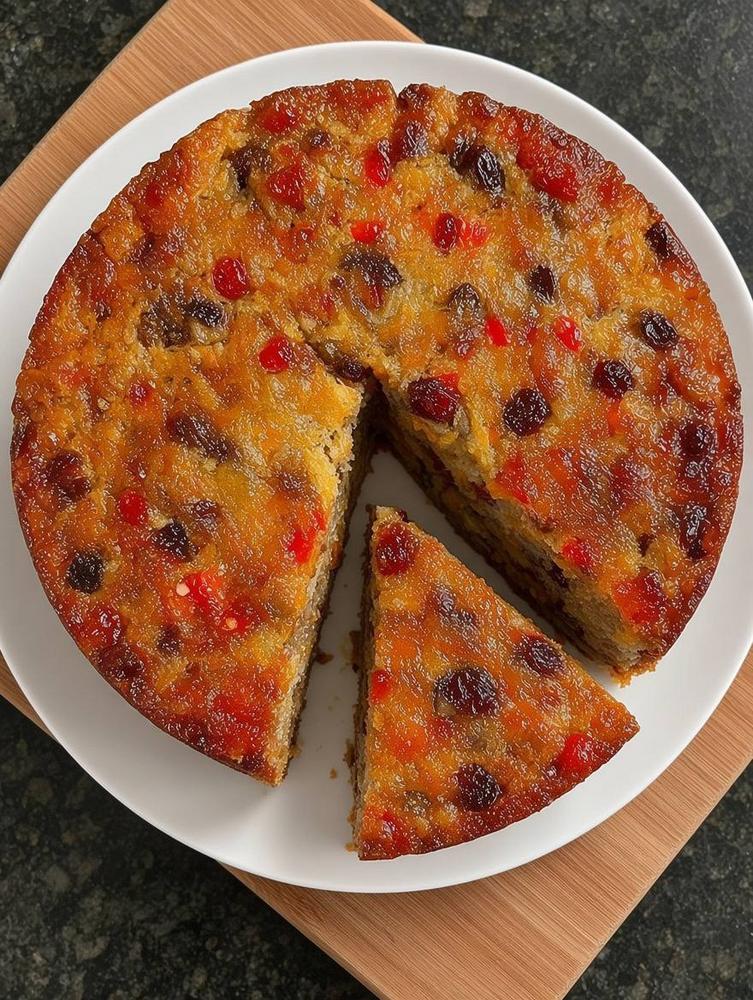
To combat the common fruit cake dilemma of all the fruit sinking to the bottom, don’t skip the step of dusting your soaked fruit with a tablespoon or two of flour. This light coating creates a barrier that helps the fruit adhere to the batter, ensuring an even distribution throughout your cake, just like the beautiful example in our image.
When it comes to baking tips, fruit cakes generally benefit from a “low and slow” approach. A lower oven temperature (around 300-325°F or 150-160°C) for a longer duration ensures that the cake cooks through evenly without drying out or burning the edges. If you notice the top browning too quickly, loosely tent it with aluminum foil. Some bakers swear by a water bath (placing the cake pan in a larger pan of hot water during baking) to introduce extra moisture, resulting in an even more tender crumb.
For a truly traditional “old-fashioned” fruit cake, consider “feeding” the cake. This involves brushing the cooled cake with additional brandy, rum, or your chosen liqueur every few days or once a week for several weeks. This process not only enhances the flavor but also keeps the cake incredibly moist and preserves it beautifully. To do this, simply unwrap the cake, use a skewer to poke small holes in the top, and drizzle or brush with a tablespoon or two of alcohol. Re-wrap tightly after each feeding.
Storage and aging recommendations are paramount. Once cooled and optionally fed, wrap your fruit cake tightly in plastic wrap, then in aluminum foil. Store it in an airtight container in a cool, dark place. Fruit cakes can be aged for several weeks or even months, with their flavors deepening and mellowing over time. For longer storage, they can also be frozen, well-wrapped, for up to a year.
When it comes to serving suggestions, a classic fruit cake is delicious on its own, but it also pairs wonderfully with a variety of accompaniments. Try it with a slice of sharp cheddar cheese – the savory notes beautifully complement the cake’s sweetness. A dollop of whipped cream, a scoop of vanilla ice cream, or a rich brandy butter can elevate the experience. For a simple yet elegant touch, a dusting of powdered sugar is always lovely.
Variations & Customization:
The beauty of fruit cake lies in its adaptability. Don’t be afraid to make it your own!
- Different fruit combinations: While candied cherries, raisins, and sultanas are classic, feel free to experiment. Add dried cranberries, apricots, figs, prunes, or even dates. Ensure the total quantity of fruit remains similar to maintain the cake’s structure.
- Nut additions: Walnuts and pecans are popular choices, but almonds (sliced or slivered) or even pistachios can add a delightful crunch and flavor. Toasting the nuts lightly before adding them can enhance their taste.
- Spices: The spice blend is key to the fruit cake’s warm, inviting aroma. Beyond cinnamon, nutmeg, cloves, and allspice, consider adding a pinch of ginger, cardamom, or even a tiny amount of black pepper for a sophisticated kick.
- Alcohol choices: Brandy and rum are traditional, but whiskey offers a bolder flavor, while Cointreau or Grand Marnier (orange liqueurs) can add a bright, citrusy note. For a non-alcoholic version, apple juice, orange juice, or strong brewed tea work well for soaking and feeding.
- Glaze or icing options: A simple sugar glaze (as suggested in the recipe) adds a lovely sheen and a touch of sweetness. For a more festive look, you could top it with marzipan or royal icing, especially popular for Christmas fruit cakes. A simple dusting of powdered sugar is also elegant.
Storage and Reheating
Proper storage is essential for maintaining the moisture, flavor, and longevity of your Old-Fashioned Fruit Cake, especially if you plan to age it. Once the cake has completely cooled (this is critical to prevent condensation and mold), wrap it tightly. First, use several layers of plastic wrap, ensuring no air can get in. Then, wrap it again in aluminum foil. This double layer provides excellent protection against drying out and absorbing odors from its surroundings. Store the well-wrapped cake in an airtight container in a cool, dark place, such as a pantry or cellar. Avoid refrigeration unless your kitchen is exceptionally warm, as refrigeration can sometimes dry out cakes.
If you’re “feeding” your cake with alcohol, unwrap it, poke holes, brush with alcohol, and re-wrap tightly after each feeding. This process helps preserve the cake and deepens its flavors. A properly stored fruit cake can last for several weeks at room temperature, and with regular feeding, it can last for months. For longer-term storage, fruit cake freezes exceptionally well. Wrap it as described above, then place it in a freezer-safe bag or container. It can be frozen for up to a year. To thaw, simply unwrap the cake and let it come to room temperature on a wire rack for several hours or overnight.
Reheating fruit cake is generally not necessary, as it is best enjoyed at room temperature. However, if you prefer a warm slice, you can gently heat individual portions. Place a slice on a microwave-safe plate and microwave on low power for 10-20 seconds, just until slightly warm. Be careful not to overheat, as this can dry out the cake. Alternatively, you can warm slices in a toaster oven or conventional oven at a low temperature (around 250°F / 120°C) for 5-10 minutes, until just heated through. A warm slice is particularly delightful with a scoop of vanilla ice cream or a dollop of brandy butter.
Frequently Asked Questions
What makes an “Old-Fashioned” fruit cake different from a modern one?
An “Old-Fashioned” fruit cake is typically denser, richer, and packed with a higher proportion of dried and candied fruits, often soaked in alcohol. It’s designed to be aged, allowing the flavors to meld and deepen over time, resulting in a more complex and moist cake. Modern fruit cakes can sometimes be lighter, less fruit-dense, and not intended for aging.
Can I make this fruit cake without alcohol?
Absolutely! For a non-alcoholic version, simply substitute the brandy or rum with an equal amount of orange juice, apple juice, or strong brewed tea for soaking the fruits. You can also use these liquids for “feeding” the cake if you still wish to age it for flavor development, though the preservative qualities will be less pronounced.
How do I prevent the fruit from sinking to the bottom of the cake?
The key to even fruit distribution is to toss the soaked and drained fruits with a small amount of flour (about 1/4 cup for this recipe) before folding them into the batter. This light coating helps the fruits adhere to the batter and prevents them from sinking during baking. Also, ensure your batter is thick enough; a too-thin batter makes sinking more likely.
How long does this fruit cake last, and how should I store it?
When properly wrapped and stored in a cool, dark place, this Old-Fashioned Fruit Cake can last for several weeks, or even months if regularly “fed” with alcohol. For long-term storage, it can be frozen for up to a year. Always ensure the cake is completely cool before wrapping it tightly in plastic wrap and then aluminum foil to prevent it from drying out or absorbing odors.