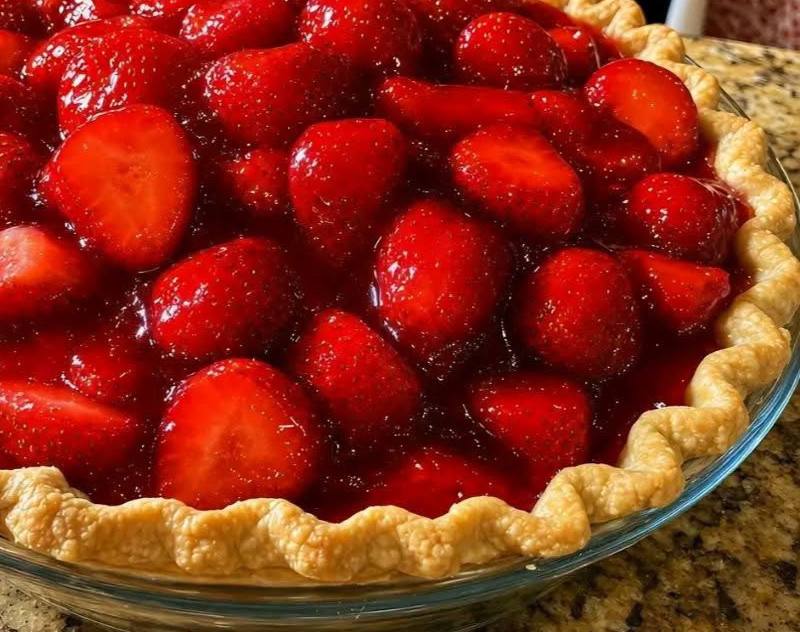
Instructions
Part 1: Prepare the Flaky Pie Crust
- In a large bowl, whisk together the flour and salt.
- Add the very cold, cubed butter to the flour mixture. Using a pastry blender, your fingertips, or a food processor, cut the butter into the flour until the mixture resembles coarse crumbs with some pea-sized pieces of butter remaining.
- Gradually add the ice water, one tablespoon at a time, mixing until the dough just comes together. Be careful not to overmix, as this can make the crust tough. The dough should be shaggy but hold together when squeezed.
- Divide the dough in half, flatten each half into a disc, wrap tightly in plastic wrap, and refrigerate for at least 30 minutes, or up to 2 days.
- On a lightly floured surface, roll out one disc of dough into a 12-inch circle. Carefully transfer the dough to a 9-inch pie plate. Trim the edges, leaving about a ½-inch overhang.
- Crimp the edges decoratively. Prick the bottom of the crust all over with a fork.
- If blind baking, line the crust with parchment paper and fill with pie weights or dried beans. Bake in a preheated oven at 400°F (200°C) for 15 minutes. Remove the weights and parchment, then bake for another 5-10 minutes, or until lightly golden. Let cool completely.
- The second disc of dough can be used for a top crust (if desired), decorative cutouts, or frozen for later use. For this recipe, we are making an open-faced pie, so the second disc is not needed.
Part 2: Prepare the Strawberry Filling
- In a medium saucepan, combine 4 cups of the quartered strawberries with the granulated sugar, lemon juice, and a pinch of salt.
- In a small bowl, whisk together the cornstarch and ¼ cup of water until smooth to create a slurry.
- Place the saucepan over medium heat and bring the strawberry mixture to a gentle simmer, stirring occasionally. Cook for about 5-7 minutes, until the strawberries have softened slightly and released some of their juices.
- Slowly whisk the cornstarch slurry into the simmering strawberry mixture. Continue to cook, stirring constantly, until the mixture thickens and becomes translucent, about 2-3 minutes. It should be thick enough to coat the back of a spoon.
- Remove the saucepan from the heat. Stir in the vanilla extract and the small pieces of butter until melted and fully incorporated.
- Gently fold in the remaining 2 cups of fresh, uncooked quartered strawberries. This adds a wonderful fresh texture and vibrant color to the finished pie.
- Pour the warm strawberry filling into the cooled, pre-baked pie crust.
- Spread the filling evenly and allow it to cool completely at room temperature, then refrigerate for at least 4 hours, or preferably overnight, to allow the filling to set fully.
Cooking Tips and Variations
For the flakiest pie crust, always keep your ingredients, especially the butter and water, as cold as possible. Chilling the dough twice (once after mixing, and again after placing it in the pie plate if you have time) helps prevent shrinkage and results in a more tender crust. If you’re short on time, a good quality store-bought pie crust can be a convenient substitute, just be sure to blind bake it according to package directions before adding the filling.
When selecting strawberries, prioritize ripe, firm, and fragrant berries for the best flavor. Taste a few before you start; if they are very sweet, you might reduce the sugar in the filling slightly. If they are tart, you might add a little more. The lemon juice in the filling is crucial as it brightens the strawberry flavor and helps balance the sweetness, so don’t skip it!
To prevent a soggy bottom crust, blind baking is key for this type of pie where the filling is not baked with the crust. Ensure your crust is fully cooked and golden before adding the filling. If you notice the edges of your crust browning too quickly during blind baking, you can gently cover them with strips of aluminum foil or a pie shield.
For variations, you can experiment with the thickening agent. While cornstarch provides a clear, glossy finish, you could also use arrowroot powder (use slightly less than cornstarch) for a similar effect, or even a small amount of unflavored gelatin for an even firmer set. To make a mixed berry pie, substitute 1-2 cups of strawberries with other berries like raspberries, blueberries, or blackberries. For an extra touch of flavor, a pinch of cinnamon or a tiny dash of balsamic vinegar can deepen the strawberry notes, but use sparingly to avoid overpowering the fresh fruit.
If you prefer a pie that is baked with the filling, you would typically combine all the strawberries (without pre-cooking), sugar, cornstarch, lemon juice, and vanilla in a bowl, then pour into an unbaked pie crust. Dot with butter and bake at 425°F (220°C) for 15 minutes, then reduce heat to 375°F (190°C) and bake for another 35-45 minutes, or until the crust is golden and the filling is bubbly. However, this old-fashioned recipe celebrates the fresh texture of uncooked berries folded into a cooked glaze.
Serving suggestions include a generous dollop of freshly whipped cream, a scoop of vanilla bean ice cream, or a drizzle of balsamic glaze for a sophisticated twist. The pie is best enjoyed chilled, as the flavors meld and the filling sets to the perfect consistency.
Storage and Reheating
This Old-Fashioned Strawberry Pie is best stored in the refrigerator. Once completely cooled and set, cover the pie loosely with plastic wrap or aluminum foil. It will keep well in the refrigerator for 3-4 days. For optimal flavor and texture, it is recommended to consume it within this timeframe, as the crust can start to soften over time.
Due to its fresh berry filling and the nature of the blind-baked crust, this pie does not typically freeze well once assembled. The thawed strawberries can become mushy, and the crust may become soggy. If you wish to prepare ahead, you can freeze the unbaked pie crust discs for up to 3 months, tightly wrapped. Thaw in the refrigerator overnight before rolling out and baking.
This pie is traditionally served chilled, so reheating is generally not recommended or necessary. Reheating would likely cause the fresh strawberries to break down further and the filling to become too liquid, compromising the texture. If you prefer a slightly less cold pie, simply remove it from the refrigerator about 15-20 minutes before serving to allow it to come closer to room temperature, but avoid prolonged exposure to warmth.
Frequently Asked Questions
What makes this “old-fashioned” compared to other strawberry pies?
The “old-fashioned” aspect typically refers to a simpler approach, often involving a cooked, thickened glaze that’s combined with fresh, uncooked strawberries. This method highlights the fresh fruit texture and vibrant color, rather than baking all the strawberries into the pie, which can sometimes result in a softer, less vibrant filling. It’s about letting the natural goodness of the berries shine through with minimal fuss.
Can I use frozen strawberries for this recipe?
While fresh strawberries are highly recommended for the best flavor and texture in this old-fashioned pie, you can use frozen strawberries in a pinch. If using frozen, thaw them completely and drain off any excess liquid before using them in the cooked filling. However, for the “fresh” portion of the filling (the 2 cups folded in at the end), it’s crucial to use fresh berries, as thawed frozen berries will be too soft and watery for that component.
How do I prevent my pie crust from getting soggy?
Preventing a soggy crust is key for this type of pie. The main steps are blind baking the crust until it’s fully golden and crisp before adding the filling, and ensuring the filling has completely cooled and set before serving. Pricking the bottom of the crust with a fork before blind baking also helps prevent bubbling. Additionally, some bakers brush the inside of the cooled, blind-baked crust with a thin layer of egg white or melted white chocolate, which creates a barrier against moisture, though this is optional.
Why did my strawberry filling not set properly?
There are a few common reasons why a strawberry filling might not set. The most frequent culprit is not cooking the cornstarch slurry long enough after adding it to the strawberries. Cornstarch needs to reach a certain temperature and simmer for a few minutes to fully activate its thickening properties. Make sure the mixture is actively simmering and thickens to coat the back of a spoon. Another reason could be using too much liquid from very juicy strawberries, or not enough cornstarch for the amount of fruit. Lastly, ensure the pie is properly chilled for the recommended time (at least 4 hours, preferably overnight) as the filling continues to set as it cools.