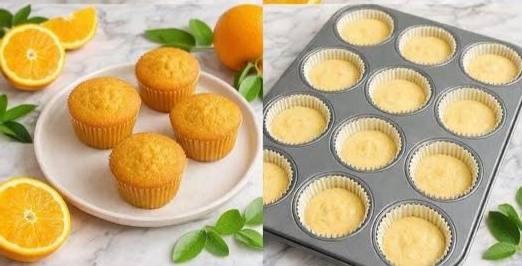
Instructions
- Preheat your oven to 350°F (175°C). Line a 12-cup muffin tin with paper cupcake liners.
- In a medium bowl, whisk together the all-purpose flour, baking powder, and salt. Set aside.
- In a large bowl, using an electric mixer, cream together the softened unsalted butter and granulated sugar until light and fluffy, about 2-3 minutes.
- Add the eggs one at a time, beating well after each addition. Stir in the vanilla extract and orange zest.
- In a separate small bowl, combine the buttermilk and ¼ cup of the fresh orange juice.
- Gradually add the dry ingredients to the wet ingredients, alternating with the buttermilk/orange juice mixture, beginning and ending with the dry ingredients. Mix on low speed until just combined. Be careful not to overmix the batter.
- Evenly distribute the cupcake batter among the prepared cupcake liners, filling each about two-thirds full.
- Bake for 18-22 minutes, or until a wooden skewer or toothpick inserted into the center of a cupcake comes out clean.
- Remove the cupcakes from the oven and let them cool in the muffin tin for 5 minutes before transferring them to a wire rack to cool completely.
- While the cupcakes are cooling, prepare the optional orange glaze. In a small bowl, whisk together the powdered sugar and 2 tablespoons of fresh orange juice until smooth. If the glaze is too thick, add more orange juice, a teaspoon at a time, until it reaches your desired consistency.
- Once the cupcakes are completely cool, drizzle or spread the orange glaze over the tops.
- Serve immediately or store for later enjoyment.
Cooking Tips and Variations
For the absolute best results, always ensure your butter and eggs are at room temperature. This allows them to emulsify better with the sugar, creating a smoother, more uniform batter that results in a lighter and fluffier cupcake texture. Cold ingredients can cause the batter to curdle and lead to a denser crumb. Remember, don’t overmix the batter once you’ve added the dry ingredients. Overmixing develops the gluten in the flour too much, which can lead to tough, chewy cupcakes instead of the tender, moist ones we’re aiming for. Mix until just combined, with a few small lumps being perfectly fine.
The secret to truly bursting orange flavor lies in using fresh orange zest and juice. Bottled juice simply won’t provide the same vibrant, aromatic punch. When zesting, be sure to only get the bright orange part of the peel and avoid the white pith underneath, as the pith can be bitter. For the perfect dome on your cupcakes, fill each liner about two-thirds full. This allows enough room for the cupcakes to rise beautifully without overflowing or creating flat tops. Test for doneness by inserting a toothpick into the center; if it comes out clean or with a few moist crumbs attached, they’re ready. Overbaking can dry out your cupcakes, so keep an eye on them towards the end of the baking time.
To elevate your Orange Cupcakes, consider a few delightful variations. For a richer, creamier topping, instead of a simple glaze, whip up a batch of cream cheese frosting infused with a little orange zest. The tang of the cream cheese complements the citrus perfectly. Alternatively, a classic buttercream frosting with a splash of orange extract or more zest would be equally delicious. For a textural contrast, try adding a tablespoon of poppy seeds to the dry ingredients for a subtle crunch and visual appeal, turning them into Orange Poppy Seed Cupcakes. White chocolate chips folded into the batter can also add a lovely sweetness and creamy texture that pairs wonderfully with orange.
Garnishing can make your cupcakes even more appealing. A simple sprinkle of extra orange zest, a thin slice of fresh orange, or even a delicate curl of candied orange peel will add a touch of elegance. For a pop of color, a few fresh mint leaves can also be a beautiful and aromatic garnish. These cupcakes are wonderfully versatile and perfect for any occasion: a sunny brunch, a festive party, a thoughtful treat for a bake sale, or simply a delightful everyday indulgence. They also make a fantastic edible gift for friends and neighbors.
Storage and Reheating
To keep your Orange Cupcakes fresh and moist, store them in an airtight container at room temperature. They will maintain their best quality for up to 2-3 days. If your kitchen is particularly warm or humid, or if your cupcakes are topped with a cream cheese frosting, it’s best to store them in the refrigerator. In the fridge, they will last for up to 4-5 days. If refrigerated, allow them to come to room temperature for about 15-20 minutes before serving for the best flavor and texture.
For longer storage, Orange Cupcakes can be frozen. If they are unfrosted, wrap each cupcake individually in plastic wrap, then place them in a freezer-safe airtight container or bag. They can be frozen for up to 2-3 months. To thaw, simply remove them from the freezer and let them sit at room temperature for a few hours until fully defrosted. If they are frosted, you can still freeze them, but it’s best to freeze them uncovered on a baking sheet until the frosting is firm (about 1-2 hours), then wrap individually and store. This prevents the frosting from sticking to the wrap. Thaw frosted cupcakes in the refrigerator overnight or at room temperature for a few hours.
Reheating cupcakes is generally not recommended as it can dry them out. However, if you prefer a slightly warm cupcake, you can gently warm an unfrosted cupcake in the microwave for 10-15 seconds. Be careful not to overheat, as this can make them tough. For frosted cupcakes, it’s best to enjoy them at room temperature as reheating will melt the frosting.
Frequently Asked Questions
Can I use bottled orange juice instead of fresh?
While you certainly can use bottled orange juice in a pinch, we highly recommend using fresh orange juice and zest. Fresh oranges provide a much more vibrant, natural, and aromatic flavor that truly makes these cupcakes shine. Bottled juice often contains preservatives and lacks the bright, zesty notes that come from fresh zest, which is crucial for the overall taste profile of these Orange Cupcakes.
My cupcakes came out dense. What went wrong?
A common reason for dense cupcakes is overmixing the batter. Once you add the dry ingredients to the wet, mix only until they are just combined. Overmixing develops the gluten in the flour, leading to a tough and dense texture. Another factor could be using cold ingredients; ensure your butter and eggs are at room temperature for a lighter, fluffier result. Also, make sure your baking powder is fresh and active.
How can I make sure my cupcakes are moist?
Several tips ensure a moist cupcake. First, avoid overmixing the batter. Second, do not overbake! Keep a close eye on the baking time and test for doneness with a toothpick. Third, using room temperature ingredients, especially butter and eggs, helps create a more emulsified batter that retains moisture better. The addition of buttermilk also contributes significantly to a moist and tender crumb.
Can I add other fruits or flavors to these cupcakes?
Absolutely! These Orange Cupcakes are a fantastic base for experimentation. You could fold in some cranberries for an orange-cranberry combination, or even some finely chopped dried apricots. For other flavor variations, consider adding a touch of almond extract along with the vanilla, or even a pinch of ground ginger or cardamom to complement the orange. Just be mindful not to add too many wet ingredients if adding fresh fruit, as this can alter the batter consistency.