Instructions
- Preheat your oven to 400°F (200°C).
- Place a 9-inch cast iron skillet in the oven with 2 tablespoons of butter (or bacon grease/vegetable oil) and allow it to preheat for at least 10-15 minutes. The fat should be shimmering and smoking slightly when you remove it. This step is crucial for the crispy crust.
- In a large mixing bowl, whisk together the cornmeal, all-purpose flour, granulated sugar, baking powder, baking soda, and salt. Make sure there are no lumps and all dry ingredients are well combined.
- In a separate medium mixing bowl, whisk together the buttermilk and lightly beaten eggs until smooth.
- Pour the wet ingredients into the dry ingredients. Add the ½ cup of melted butter.
- Stir with a spoon or spatula until just combined. Be careful not to overmix the batter; a few small lumps are perfectly fine. Overmixing can lead to tough cornbread.
- Carefully remove the hot skillet from the oven. Swirl the melted fat around to coat the bottom and sides of the skillet evenly.
- Pour the cornbread batter directly into the hot, greased skillet. The batter should sizzle when it hits the hot fat – this is exactly what you want for that incredible crust.
- Return the skillet to the preheated oven.
- Bake for 20-25 minutes, or until the top is golden brown and a wooden skewer or toothpick inserted into the center comes out clean.
- Once baked, carefully remove the skillet from the oven. Let the cornbread cool in the skillet for about 5-10 minutes before slicing into wedges. This allows it to set and makes it easier to remove without crumbling.
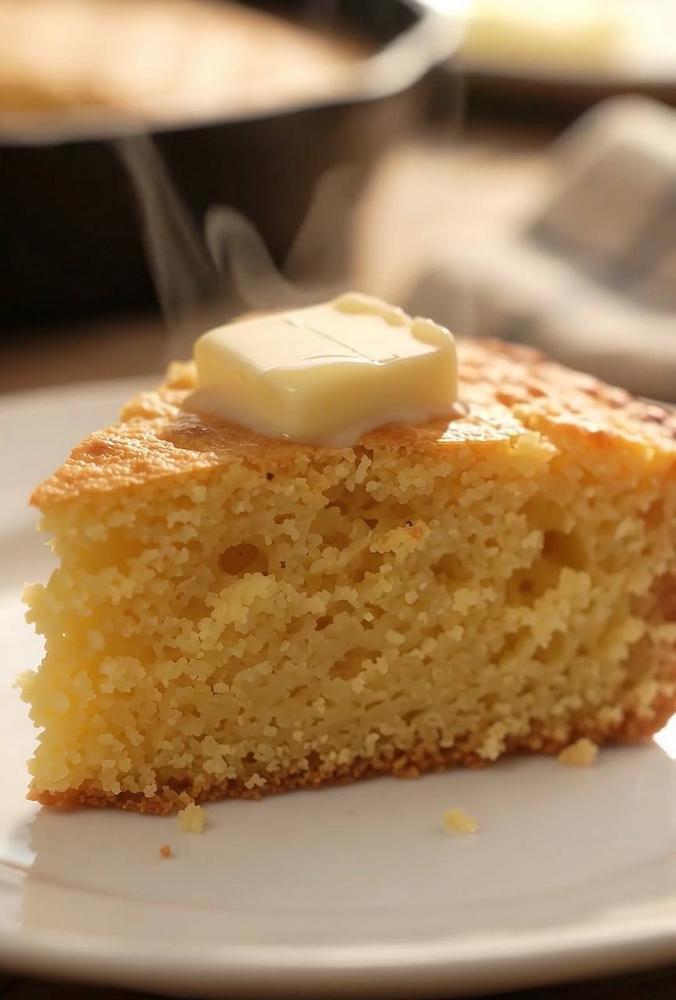
- Serve warm with a pat of butter, a drizzle of honey, or alongside your favorite meal.
Cooking Tips and Variations
To achieve the ultimate crispy crust, don’t skimp on preheating your cast iron skillet with fat. The hotter the skillet and the fat, the better the sizzle and the crispier the bottom of your cornbread will be. For the cornmeal, a medium grind offers a delightful texture that’s neither too fine nor too coarse, providing a pleasant bite. However, fine cornmeal will give a more cake-like texture, while coarse will be more rustic and crumbly. When it comes to sweetness, this recipe leans slightly sweet, which is a popular preference, especially outside of the Southern US. For a more traditional, savory Southern-style cornbread, reduce the sugar to 1-2 tablespoons or omit it entirely. You can also swap out the butter for bacon grease for an intensely savory flavor and even crisper crust.
The type of fat you use in the skillet and in the batter can significantly impact the flavor. While melted butter offers a rich, classic taste, bacon grease adds a smoky depth that is truly phenomenal, especially if you’re pairing your cornbread with savory dishes like chili or collard greens. Vegetable oil is a neutral option that still provides a great crust. Remember, the key to tender cornbread is to avoid overmixing the batter. Stir just until the wet and dry ingredients are combined; a few lumps are fine. Overworking the gluten in the flour will result in a tough, dense cornbread. Always check for doneness with a toothpick; it should come out clean, and the top should be beautifully golden brown.
For delicious variations, consider adding ½ cup of shredded sharp cheddar cheese and 1-2 finely diced jalapeños (seeds removed for less heat) to the batter for a spicy, cheesy kick. Fresh or frozen corn kernels (thawed if frozen) can also be folded in for extra texture and corn flavor. Cooked and crumbled bacon bits or finely chopped green onions are other fantastic additions that elevate the savory profile. If you don’t have buttermilk, you can easily make your own by adding 1 ½ tablespoons of white vinegar or lemon juice to 1 ½ cups of regular milk and letting it sit for 5 minutes until it curdles slightly. This acidity reacts with the baking soda to create a lighter, more tender crumb.
Storage and Reheating
Once your skillet cornbread has cooled completely, store any leftovers in an airtight container at room temperature for up to 2-3 days. For longer storage, you can refrigerate it for up to a week. To freeze, wrap individual slices or the entire cooled cornbread tightly in plastic wrap, then in aluminum foil, and store in the freezer for up to 3 months. Thaw in the refrigerator overnight before reheating.
To reheat, the best method to revive that crispy crust is in the oven. Place slices of cornbread directly on a baking sheet and heat at 350°F (175°C) for 10-15 minutes, or until warmed through and the edges are crisp again. You can also briefly reheat it in a dry cast iron skillet on the stovetop over medium heat for a few minutes per side. For a quicker option, individual slices can be microwaved for 30-60 seconds, though this will soften the crust. Always serve reheated cornbread warm for the best flavor and texture, perhaps with another pat of butter!
Frequently Asked Questions
Why is my cornbread dry and crumbly?
Dry and crumbly cornbread is often a result of overbaking or using too much cornmeal in proportion to the liquid and fat. Ensure you’re baking it just until a toothpick comes out clean, and no longer. Also, make sure your measurements for wet ingredients are accurate, and consider adding a little extra buttermilk or melted butter next time if it’s consistently dry. Not enough fat in the recipe can also contribute to dryness.
Can I make this recipe in a regular baking pan?
Yes, you can certainly bake this cornbread in a regular 9×9 inch baking pan if you don’t have a cast iron skillet. However, you will miss out on the signature crispy, golden-brown crust that a preheated cast iron skillet provides. To compensate slightly, you can preheat your baking pan with some fat in the oven before pouring in the batter, but the results won’t be quite the same as with cast iron.
What’s the difference between Northern and Southern cornbread?
Traditionally, Southern cornbread is often made without sugar, or with very little, and relies heavily on buttermilk and bacon grease for flavor and texture. It tends to be more savory, robust, and commonly baked in a cast iron skillet. Northern cornbread, on the other hand, frequently includes a significant amount of sugar and often uses regular milk or less buttermilk, resulting in a sweeter, more cake-like consistency. This recipe offers a delicious middle ground, allowing for adjustments to suit your preference.
Can I use self-rising cornmeal?
If you use self-rising cornmeal, you will need to adjust the leavening agents in the recipe. Self-rising cornmeal typically contains baking powder and salt. If using it, omit the 1 tablespoon of baking powder and the ½ teaspoon of salt from the recipe. Keep the ½ teaspoon of baking soda, as it reacts with the buttermilk to create a tender crumb. Always check the ingredients list on your self-rising cornmeal to be sure what leavening agents it already contains.