Instructions
- Prepare the Pork: Pat the pork shoulder dry with paper towels. Trim any excessive large chunks of fat, but leave a good amount for flavor and moisture.
- Make the Dry Rub: In a small bowl, combine the brown sugar, smoked paprika, garlic powder, onion powder, kosher salt, black pepper, and cayenne pepper (if using). Mix well until thoroughly combined.
- Season the Pork: Generously rub the spice mixture all over the pork shoulder, ensuring it’s completely coated on all sides. Don’t be shy; really press the rub into the meat.
- Prepare the Slow Cooker: Place the seasoned pork shoulder into the slow cooker.
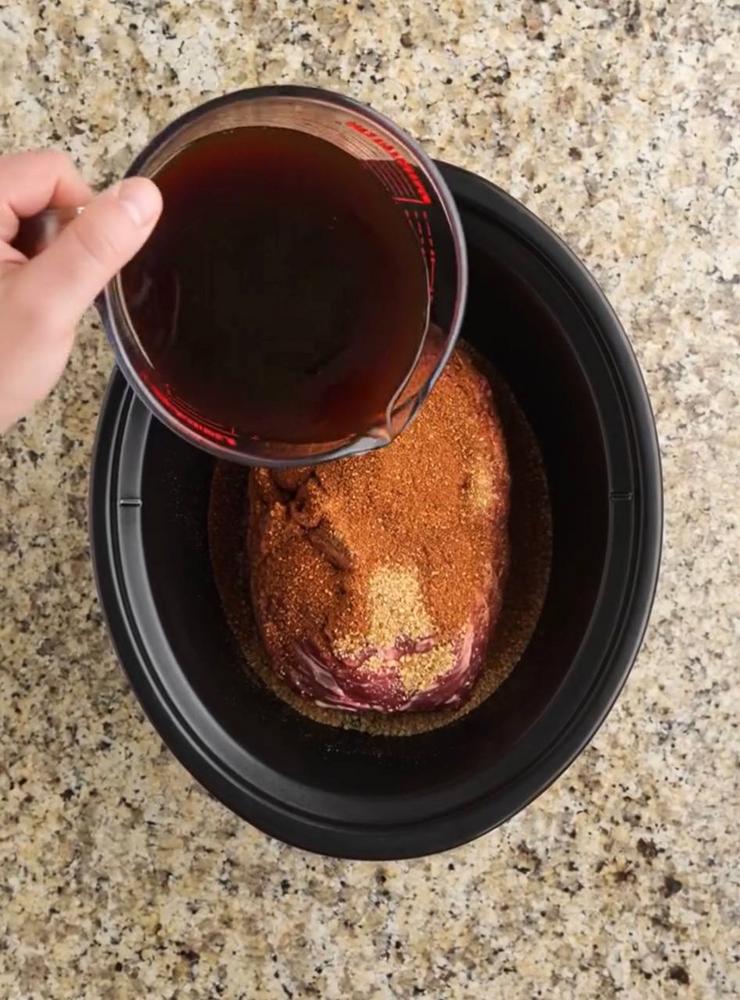
- Add the Liquids: Pour the chicken broth (or apple cider vinegar), Worcestershire sauce, and liquid smoke (if using) around the pork in the slow cooker.
- Cook on Low: Cover the slow cooker and cook on low for 6-8 hours, or until the pork is incredibly tender and easily shreds with a fork. Alternatively, you can cook on high for 3-4 hours, but low and slow generally yields more tender results.
- Shred the Pork: Once cooked, carefully remove the pork shoulder from the slow cooker and place it on a large cutting board or in a shallow dish. The meat should be falling apart. Using two forks, shred the pork into desired pieces, discarding any large pieces of fat.
- Combine with Sauce: Skim any excess fat from the cooking liquid in the slow cooker. You can either return the shredded pork to the slow cooker with some of the cooking liquid and stir in your favorite BBQ sauce, or simply mix the BBQ sauce directly with the shredded pork in a separate bowl. Add enough BBQ sauce to reach your desired consistency and flavor.
- Serve: Serve the warm brown sugar BBQ pulled pork on buns with coleslaw, pickles, or your favorite toppings. It’s also fantastic in tacos, on nachos, or over baked potatoes.
Cooking Tips and Variations
For the most tender and flavorful pulled pork, a bone-in pork shoulder (also known as Boston butt or pork butt) is highly recommended. The bone adds extra flavor, and the higher fat content ensures the meat stays moist and succulent during the long cooking process. While boneless works, bone-in often yields a richer result. Don’t be afraid of the fat; it renders down and helps create that melt-in-your-mouth texture.
While not strictly necessary for this slow cooker recipe, searing the pork shoulder on all sides in a hot pan before placing it in the slow cooker can add an incredible depth of flavor. This process, known as the Maillard reaction, creates a delicious browned crust that locks in juices and adds complexity to the final dish. If you have an extra 10-15 minutes, it’s a step worth taking.
To achieve the perfect shred, ensure the pork is truly fork-tender. If it’s resisting at all, it needs more time in the slow cooker. Once it’s ready, two forks are your best friends. Simply pull them in opposite directions to easily shred the meat. For larger batches, consider investing in a pair of meat claws, which make the shredding process incredibly fast and efficient.
The beauty of this recipe is its adaptability. Love a spicier kick? Increase the cayenne pepper in the rub or add a dash of your favorite hot sauce to the finished pulled pork. Prefer a smokier flavor? Don’t skip the liquid smoke, or use a smoked paprika with a more intense flavor profile. For a tangier twist, incorporate more apple cider vinegar into the liquid, or finish with a vinegar-based BBQ sauce. You can also experiment with different types of brown sugar; dark brown sugar will provide a deeper molasses flavor.
When it comes to the braising liquid, you have options. Chicken broth provides a neutral base, while apple cider vinegar adds a pleasant tang that helps cut through the richness of the pork. Some recipes even use cola or root beer for an extra layer of sweetness and tenderization. Feel free to experiment with what you have on hand or what suits your taste preferences.
Don’t overfill your slow cooker! For optimal cooking, your slow cooker should be between half and two-thirds full. Overfilling can lead to uneven cooking and can even damage some older slow cooker models. If you have a larger cut of pork, consider cutting it into two pieces to fit better.
After cooking, let the pork rest for 10-15 minutes before shredding. This allows the juices to redistribute throughout the meat, ensuring a more tender and flavorful result. Skipping this step can lead to drier pulled pork.
While the recipe calls for your favorite BBQ sauce, don’t hesitate to make your own! A simple homemade BBQ sauce can be a game-changer. A basic recipe might include ketchup, apple cider vinegar, brown sugar, Worcestershire sauce, mustard, and a few spices. This allows you to customize the sweetness, tang, and spice level precisely to your liking.
This recipe is incredibly versatile in terms of serving. Beyond the classic sandwich bun, consider using your pulled pork for delicious tacos with a vibrant slaw, loaded nachos with all the fixings, stuffed baked potatoes, or even as a topping for a hearty salad. It’s also excellent in quesadillas or as a pizza topping. The possibilities are endless!
Storage and Reheating
Slow Cooker Brown Sugar BBQ Pulled Pork is an excellent candidate for meal prep and freezing, making it perfect for busy weeks or unexpected cravings. To store leftovers, allow the pulled pork to cool completely before transferring it to an airtight container. It will keep beautifully in the refrigerator for up to 3-4 days. For best results, store it with some of its cooking liquid or a little extra BBQ sauce to prevent it from drying out.
For longer storage, pulled pork freezes exceptionally well. Once cooled, transfer it to freezer-safe bags or containers, ensuring to remove as much air as possible to prevent freezer burn. You can freeze it in individual portions for quick meals or in larger batches. Properly stored, frozen pulled pork will maintain its quality for up to 2-3 months. Thaw frozen pulled pork overnight in the refrigerator before reheating.
When reheating, gently warm the pulled pork to retain its moisture and flavor. If reheating from the refrigerator, you can do so in a saucepan on the stovetop over medium-low heat, stirring occasionally, until heated through. Add a splash of broth or water if it seems dry. For larger quantities, or if reheating from frozen, placing it in a covered oven-safe dish at 300°F (150°C) for 20-30 minutes, or until warm, works well. You can also use a microwave for smaller portions, heating in 30-second intervals and stirring in between, until hot. Always ensure the internal temperature reaches 165°F (74°C) for food safety.
Frequently Asked Questions
What kind of pork is best for pulled pork?
The best cut of pork for pulled pork is a pork shoulder, often labeled as “Boston butt” or “pork butt.” This cut has a good amount of fat and connective tissue, which breaks down during long, slow cooking, resulting in incredibly tender, juicy, and flavorful pulled pork. You can use either bone-in or boneless, with bone-in often providing a slightly richer flavor.
Do I need to add liquid to my slow cooker for pulled pork?
Yes, it’s generally recommended to add some liquid to your slow cooker for pulled pork. While pork shoulder does release its own juices, a base liquid like chicken broth, apple cider vinegar, or even water helps create steam, keeps the meat moist, and prevents it from drying out or burning. It also contributes to the flavor profile, especially if you use a flavorful broth or a tangy liquid like apple cider vinegar.
How do I know when my pulled pork is done?
Pulled pork is done when it is fork-tender, meaning you can easily shred it with two forks without much resistance. The internal temperature should reach at least 195°F (90°C) to 205°F (96°C) for the collagen to break down sufficiently, allowing it to “pull” apart effortlessly. Don’t rely solely on temperature for doneness; the “fork test” is the ultimate indicator of perfectly cooked pulled pork.
Can I make this recipe in an Instant Pot or pressure cooker?
Yes, you can adapt this recipe for an Instant Pot or pressure cooker. While the slow cooker provides a long, gentle cook, a pressure cooker can achieve similar tenderness in a fraction of the time. You would typically cook a 3-4 pound pork shoulder for about 60-75 minutes at high pressure, followed by a natural pressure release. You would still follow the same steps for seasoning and shredding, and you might need slightly less liquid in the pressure cooker. Always refer to your specific appliance’s manual for precise instructions and liquid requirements.