Instructions
- Prepare the Ribs: If not already done, remove the thin membrane from the back of the pork ribs. To do this, slide a knife under the membrane on one end of the rack, then grip it with a paper towel and pull it off. Cut the racks into 2-3 bone sections.
- Season the Ribs: In a small bowl, combine the smoked paprika, onion powder, garlic powder, dried thyme, dried rosemary, 1 teaspoon salt, and ½ teaspoon black pepper. Rub this seasoning mixture generously all over the pork rib sections.
- Sear the Ribs (Optional but Recommended): Heat the olive oil in a large, heavy-bottomed skillet or Dutch oven over medium-high heat. Working in batches if necessary, sear the seasoned rib sections for 3-4 minutes per side, until deeply golden brown. This step adds significant flavor and color. Remove the seared ribs from the skillet and set aside.
- Sauté Aromatics: Reduce the heat to medium. Add the sliced onions to the same skillet (add a little more oil if needed). Sauté for 5-7 minutes until the onions begin to soften and turn translucent.
- Add Mushrooms and Garlic: Add the sliced mushrooms to the skillet with the onions. Cook for another 5-7 minutes, stirring occasionally, until the mushrooms have released their liquid and started to brown. Stir in the minced garlic and cook for 1 minute more until fragrant.
- Deglaze (Optional): If there are browned bits (fond) stuck to the bottom of the skillet, pour in a splash of beef broth (about ¼ cup) and scrape the bottom of the pan with a wooden spoon to release all those flavorful bits.
- Assemble the Slow Cooker: Place the seared rib sections into the slow cooker in an even layer.
- Make the Gravy Base: In a medium bowl, whisk together the condensed cream of mushroom soup, remaining beef broth, Worcestershire sauce, and soy sauce until smooth.
- Layer and Pour: Spoon the sautéed onion and mushroom mixture over and around the ribs in the slow cooker. Pour the prepared gravy mixture evenly over everything, ensuring the ribs are well-coated.
- Slow Cook: Cover the slow cooker and cook on LOW for 6-8 hours or on HIGH for 3-4 hours, or until the ribs are fork-tender and easily pull away from the bone. The cooking time may vary slightly depending on your slow cooker and the thickness of the ribs.
- Adjust Gravy Consistency (Optional): Once the ribs are cooked, carefully remove them from the slow cooker and set them aside on a platter, loosely tented with foil to keep warm. If the gravy is too thin for your liking, you can thicken it. In a small bowl, whisk together the cornstarch and cold water to form a smooth slurry. Pour the slurry into the hot gravy in the slow cooker, whisking constantly. Cook on HIGH for another 15-20 minutes, or until the gravy has thickened to your desired consistency.
- Taste and Season: Taste the gravy and adjust seasonings as needed, adding more salt, pepper, or other spices to your preference.
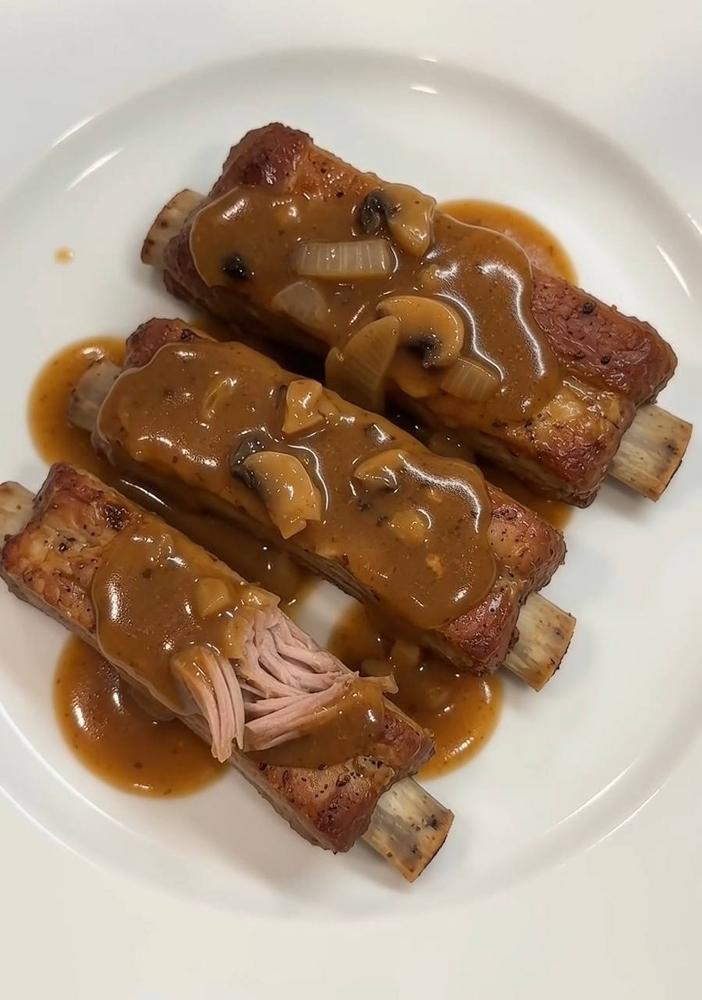
- Serve: Return the ribs to the slow cooker (or pour gravy over them on individual plates). Garnish with fresh chopped parsley, if desired. Serve hot with your favorite sides.
Cooking Tips and Variations
To truly elevate your Slow Cooker Smothered Pork Ribs, consider these expert tips and exciting variations. First and foremost, do not skip the optional searing step for the ribs. While it adds an extra 10-15 minutes to your prep, the deep golden-brown crust created by searing locks in flavor and creates a beautiful caramelization that significantly enhances the final taste and appearance of the dish. It’s a flavor booster you won’t regret. Similarly, sautéing the onions and mushrooms before adding them to the slow cooker allows them to develop a richer, more concentrated flavor, contributing to a more complex and delicious gravy.
For maximum tenderness, resist the urge to peek! Opening the slow cooker lid frequently releases heat and steam, extending the overall cooking time and potentially impacting the tenderness of your ribs. Let the slow cooker do its job uninterrupted. When it comes to gravy perfection, tasting and adjusting seasoning is key. After the ribs are cooked, taste the gravy and add more salt, pepper, or a pinch of sugar if it tastes too acidic or needs balancing. If you want a thicker gravy, the cornstarch slurry method is quick and effective. For a thinner gravy, simply stir in a splash more broth until it reaches your desired consistency. You can also make a roux with butter and flour in a separate pan, then whisk it into the slow cooker liquid for a richer thickening method.
Experiment with different rib types. While spare ribs and baby back ribs are excellent choices, you can also use country-style ribs for a meatier, boneless option, though cooking time might be slightly shorter. For a different flavor profile, consider adding a tablespoon of apple cider vinegar or a squeeze of fresh lemon juice to the gravy at the end to brighten the flavors. If you enjoy a bit of heat, a pinch of red pepper flakes added with the seasonings will give your ribs a subtle kick. For an even more robust gravy, replace a portion of the beef broth with a dry red wine, like a Cabernet Sauvignon, adding it during the sautéing stage to deglaze the pan. If you prefer a homemade cream sauce instead of canned soup, you can easily make a béchamel sauce: melt 2 tablespoons butter, whisk in 2 tablespoons flour, cook for 1 minute, then gradually whisk in 1 ½ cups milk until thickened, seasoning with salt, pepper, and a pinch of nutmeg.
Don’t forget about fresh herbs! While dried herbs are convenient for slow cooking, a sprinkle of fresh chopped parsley, chives, or even a few sprigs of fresh thyme added at the very end can brighten the dish and add a lovely aromatic finish. Another tip for success is to ensure the membrane is removed from the ribs. This thin, silverskin layer doesn’t break down during cooking and can make the ribs tough or chewy. A quick pull with a paper towel makes for truly fall-off-the-bone results. Finally, for an extra layer of umami, consider adding a teaspoon of Dijon mustard to the gravy base. Its tanginess complements the richness of the ribs beautifully.
Storage and Reheating
Storing and reheating your Slow Cooker Smothered Pork Ribs is straightforward, ensuring you can enjoy the delicious leftovers for days to come. Once the ribs and gravy have cooled to room temperature, transfer them to an airtight container. Make sure to include plenty of gravy, as it helps keep the ribs moist and flavorful. Properly stored in the refrigerator, these ribs will stay fresh and delicious for 3-4 days. For longer storage, you can freeze the cooked ribs and gravy. Place them in a freezer-safe airtight container or heavy-duty freezer bags, removing as much air as possible to prevent freezer burn. Frozen, they will maintain their quality for up to 3 months.
When you’re ready to reheat, there are a few excellent methods to choose from. For refrigerated ribs, the stovetop is often the best option. Transfer the ribs and gravy to a saucepan or skillet over medium-low heat. Cover and simmer gently, stirring occasionally, until the ribs are heated through and the gravy is bubbling. You may need to add a splash of broth or water if the gravy has thickened too much. Alternatively, you can reheat them in the oven. Place the ribs and gravy in an oven-safe dish, cover tightly with foil, and bake at 300°F (150°C) for 20-30 minutes, or until thoroughly heated. This method helps prevent drying out and keeps the ribs tender. For convenience, individual portions can be reheated in the microwave. Place a serving of ribs and gravy in a microwave-safe dish, cover loosely, and heat on medium power for 2-4 minutes, stirring halfway through, until hot. Be careful not to overheat, as this can make the ribs tough.
If reheating from frozen, it’s best to thaw the ribs and gravy in the refrigerator overnight before proceeding with one of the reheating methods described above. If you’re short on time, you can reheat from frozen in the oven: place the frozen ribs and gravy in an oven-safe dish, cover tightly with foil, and bake at 325°F (160°C) for 45-60 minutes, or until completely heated through, stirring gently halfway. Adding a little extra broth can help maintain moisture if reheating from frozen.
Frequently Asked Questions
Can I use boneless pork ribs for this recipe?
Yes, absolutely! Boneless country-style pork ribs work wonderfully in this recipe. They tend to be meatier and cook a bit faster than bone-in ribs, so you might want to check for tenderness after about 4-5 hours on low or 2.5-3 hours on high. The flavor profile will remain just as delicious.
Do I really need to sear the ribs first?
While searing is listed as optional, it is highly recommended for the best flavor and appearance. Searing the ribs creates a delicious browned crust through the Maillard reaction, which adds a significant depth of savory flavor that you won’t get from simply putting raw ribs into the slow cooker. It also gives the ribs a more appealing color. If you’re truly pressed for time, you can skip it, but the final dish will be even better with this step.
My gravy is too thin/too thick. How can I fix it?
If your gravy is too thin, the easiest fix is to make a cornstarch slurry: whisk 1 tablespoon of cornstarch with 1 tablespoon of cold water until smooth. Stir this slurry into the hot gravy in the slow cooker, turn the heat to high, and cook for another 15-20 minutes, stirring occasionally, until it thickens. Repeat with another slurry if needed. If your gravy is too thick, simply whisk in a splash more beef broth or water, a tablespoon at a time, until it reaches your desired consistency.
What are the best side dishes to serve with these smothered ribs?
Slow Cooker Smothered Pork Ribs are incredibly versatile and pair well with many classic comfort food sides. Creamy mashed potatoes are a top choice, perfect for soaking up all that delicious gravy. Other excellent options include egg noodles, rice, polenta, or even crusty bread. For vegetables, consider serving with steamed green beans, roasted asparagus, glazed carrots, or a simple side salad to add a fresh contrast.