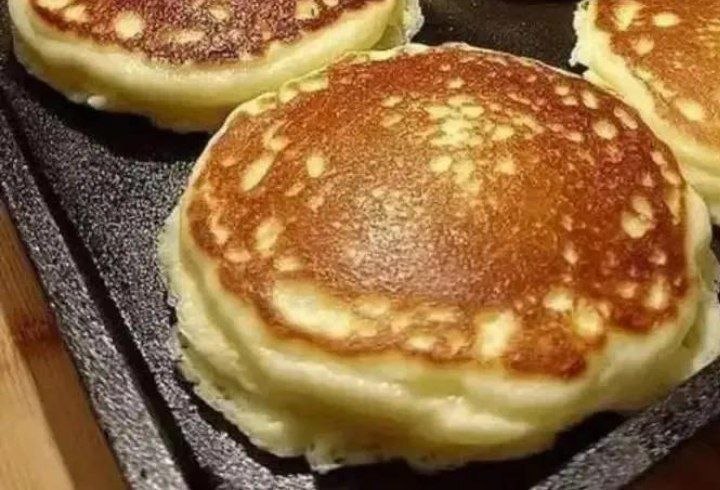
Instructions
- In a large bowl, whisk together the all-purpose flour, granulated sugar, baking powder, baking soda, and salt. Make sure there are no lumps and the dry ingredients are well combined.
- In a separate medium bowl, whisk together the buttermilk, whole milk, egg yolks, melted butter, and vanilla extract until smooth and fully incorporated.
- Pour the wet ingredients into the dry ingredients. Stir gently with a whisk or spatula until just combined. The batter should still be lumpy; do not overmix. Overmixing will develop the gluten and result in tough pancakes.
- In a clean, separate bowl, using an electric mixer (handheld or stand mixer with a whisk attachment), beat the egg whites on medium-high speed until stiff peaks form. This means when you lift the whisk, the egg whites hold their shape firmly.
- Gently fold about one-third of the beaten egg whites into the pancake batter to lighten it. Use a rubber spatula and a gentle lifting motion from the bottom of the bowl.
- Carefully fold in the remaining egg whites in two additions, continuing with the gentle lifting motion. Be careful not to deflate the air from the egg whites. The goal is to incorporate them without overmixing, keeping the batter light and airy.
- Heat a large non-stick griddle or frying pan over medium-low heat. Lightly grease with a little butter or cooking spray. You want the griddle to be hot enough that a drop of water sizzles, but not so hot that the butter immediately burns.
- Pour or scoop about ¼ cup of batter for each pancake onto the hot griddle. Leave some space between them so they don’t stick together.
- Cook for 2-3 minutes on the first side, or until bubbles begin to form on the surface of the pancakes and the edges look set and slightly dry. The bottom should be golden brown.
- Carefully flip the pancakes with a spatula and cook for another 1-2 minutes on the second side, or until golden brown and cooked through.
- Transfer the cooked pancakes to a plate. To keep them warm while you cook the rest, you can place them on a wire rack set over a baking sheet in a preheated oven at 200°F (95°C).
- Repeat with the remaining batter, greasing the griddle lightly between batches as needed.
- Serve immediately with your favorite toppings such as maple syrup, fresh berries, whipped cream, or a dusting of powdered sugar.
Cooking Tips and Variations
Don’t Overmix the Batter: This is arguably the most crucial tip for achieving light and airy pancakes. Lumps in the batter are perfectly fine, even desirable. Overmixing develops the gluten in the flour, leading to tough, chewy pancakes rather than soft, fluffy ones. Mix just until the dry ingredients are moistened.
Separating Eggs is Key: While it adds an extra step, separating the egg yolks and whites, then whipping the whites into stiff peaks, is the secret weapon for these “extra light & airy” pancakes. The whipped egg whites introduce a significant amount of air into the batter, which expands during cooking, creating that incredible cloud-like texture.
Use Fresh Leavening Agents: Baking powder and baking soda are responsible for the lift. Ensure yours are fresh by checking the expiration date. If in doubt, you can test baking powder by adding a teaspoon to hot water – it should fizz vigorously. For baking soda, add a teaspoon to a tablespoon of vinegar – it should also fizz a lot.
The Right Griddle Temperature: This takes a bit of practice but is vital for evenly cooked, beautifully golden pancakes. Too hot, and the outside will burn before the inside cooks through. Too cool, and they’ll be pale and potentially greasy. Medium-low heat is usually ideal. You’ll know it’s right when a drop of water sizzles and evaporates immediately, but not violently. Adjust the heat as you go.
Resting the Batter (Briefly): After mixing the wet and dry ingredients (before folding in the egg whites), letting the batter rest for 5-10 minutes can allow the flour to fully hydrate and the gluten to relax slightly, potentially leading to a more tender pancake. However, once the egg whites are folded in, cook immediately to preserve the airiness.
Buttermilk for Tenderness: The acidity in buttermilk reacts with the baking soda, creating more carbon dioxide bubbles that contribute to the pancake’s rise and tenderness. If you don’t have buttermilk, you can easily make a substitute by adding 1 tablespoon of lemon juice or white vinegar to a measuring cup, then filling the rest with regular milk until it reaches 1 cup. Let it sit for 5 minutes before using.
Variations to Try:
- Blueberry Pancakes: Gently fold in ¾ cup of fresh or frozen (not thawed) blueberries into the batter just before cooking.
- Chocolate Chip Pancakes: Add ½ cup of mini chocolate chips to the batter for a sweet treat.
- Lemon Ricotta Pancakes: Add ¼ cup of ricotta cheese and 1 tablespoon of lemon zest to the wet ingredients for an even richer, tangier pancake.
- Spiced Pancakes: Include ½ teaspoon of ground cinnamon or a pinch of nutmeg with the dry ingredients for a warm, aromatic flavor.
- Almond Extract: Substitute ½ teaspoon of vanilla extract with ½ teaspoon of almond extract for a different flavor profile.
Serving Suggestions: Beyond the classic maple syrup, consider fresh berries, sliced bananas, a dollop of whipped cream, a sprinkle of powdered sugar, a spoonful of fruit compote, chocolate sauce, or even a savory twist with bacon and a fried egg on the side. The possibilities are endless!
Storage and Reheating
Storage:
Allow any leftover pancakes to cool completely to room temperature. Stacking warm pancakes can create condensation, making them soggy. Once cool, place them in an airtight container or a freezer-safe bag. You can place parchment paper between pancakes to prevent them from sticking together, especially if you plan to freeze them.
Refrigeration: Pancakes will keep well in the refrigerator for up to 2-3 days.
Freezing: For longer storage, pancakes freeze beautifully. They will last for up to 1-2 months in the freezer. This is an excellent option for meal prepping quick breakfasts during the week.
Reheating:
Reheating pancakes properly ensures they retain their soft texture and don’t become rubbery or dry. Avoid microwaving for too long, as this can make them tough.
- Toaster or Toaster Oven: This is one of the best methods for reheating individual pancakes, especially if they are frozen. Place pancakes directly into the toaster slots or on a tray in the toaster oven. Toast on a medium setting until heated through and slightly crisp on the edges.
- Oven: Preheat your oven to 350°F (175°C). Place pancakes in a single layer on a baking sheet. Cover loosely with aluminum foil to prevent drying out. Heat for 5-10 minutes, or until warmed through. This method is great for reheating a larger batch.
- Microwave: While convenient, use with caution. Place 1-2 pancakes on a microwave-safe plate. Heat on high for 20-30 seconds, or until just warm. Overheating will make them rubbery. This method is best for very quick reheating when texture is less of a priority.
- Griddle or Frying Pan: Heat a non-stick pan over medium-low heat. Add a tiny bit of butter or cooking spray. Place pancakes in the pan and heat for 1-2 minutes per side, until warmed through and slightly crispy on the exterior. This method can revive some of that fresh-off-the-griddle feel.
Frequently Asked Questions
Why are my pancakes flat and not airy?
Flat pancakes are usually a result of a few common issues. The most frequent culprit is overmixing the batter, which develops gluten and deflates the air. Another reason could be expired or inactive baking powder or baking soda, so always check their freshness. Lastly, not whipping the egg whites to stiff peaks, or deflating them when folding into the batter, will also prevent the pancakes from getting that desired lift.
Can I make the batter ahead of time?
For this specific “extra light & airy” recipe, it’s best to cook the pancakes immediately after the batter is fully prepared (especially after folding in the whipped egg whites). The air incorporated into the egg whites is delicate and will deflate over time, leading to less fluffy pancakes. If you need to prep ahead, you can mix the dry ingredients, and combine the wet ingredients (minus the egg whites) separately. Whip the egg whites and combine everything just before cooking.
What’s the best way to ensure even cooking and browning?
The key to even cooking and browning is consistent griddle temperature. Use medium-low heat and give your griddle plenty of time to preheat evenly. A good non-stick surface helps, and remember to lightly grease it between batches if needed. Don’t crowd the griddle; leave space between pancakes for even heat distribution. Also, resist the urge to constantly lift and peek; wait for bubbles to form on the surface and the edges to look set before flipping.
My pancakes are burning on the outside but still raw on the inside. What am I doing wrong?
This is a clear sign that your griddle or pan is too hot. The high heat is caramelizing the sugars on the outside of the pancake too quickly before the heat has a chance to penetrate and cook the interior. Reduce your heat to medium-low, and be patient. It’s better to cook pancakes a little slower at a lower temperature to ensure they cook through evenly without burning the exterior.