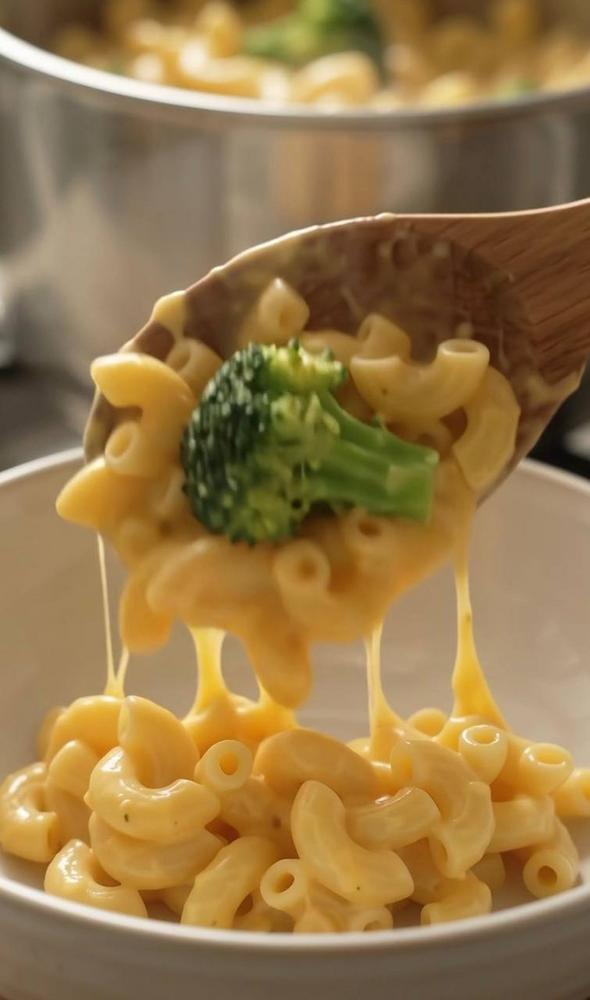
Instructions
- Bring a large pot of salted water to a rolling boil. Add the elbow macaroni and cook according to package directions until al dente.
- During the last 3 minutes of the pasta cooking time, add the broccoli florets to the boiling pasta water. This will ensure the broccoli is tender-crisp.
- Once the pasta and broccoli are cooked, drain them thoroughly in a colander. Do not rinse the pasta; the starches will help the sauce adhere. Set aside.
- While the pasta is cooking, prepare the cheese sauce. In the same large pot (or a separate large, heavy-bottomed pot), melt the unsalted butter over medium heat.
- Once the butter is melted and sizzling, sprinkle in the all-purpose flour. Whisk continuously for 1-2 minutes to create a smooth roux. It should be light golden in color and smell slightly nutty.
- Gradually pour the warmed milk into the roux, whisking constantly to prevent lumps. Continue to whisk until the sauce is smooth and begins to thicken, about 5-7 minutes. It should be thick enough to coat the back of a spoon.
- Reduce the heat to low. Stir in the salt, black pepper, dry mustard powder (if using), garlic powder, and cayenne pepper (if using).
- Remove the pot from the heat. Begin adding the freshly shredded cheddar cheese and Gruyère cheese (if using) in handfuls, stirring constantly until each addition is fully melted and incorporated before adding more. This gradual process, off the heat, helps prevent the sauce from becoming grainy.
- Once all the cheese is melted and the sauce is smooth and creamy, return the pot to very low heat if needed to keep it warm, but do not let it boil.
- Add the drained macaroni and broccoli to the cheese sauce. Stir gently but thoroughly until all the pasta and broccoli are evenly coated with the rich, creamy sauce.
- Taste and adjust seasonings if necessary. Serve immediately in warm bowls, garnished with fresh parsley or chives if desired.
Cooking Tips and Variations
For the ultimate creamy and smooth cheese sauce, always shred your own cheese from a block. Pre-shredded cheeses often contain anti-caking agents like cellulose, which can prevent them from melting smoothly and result in a grainy sauce. A good quality sharp cheddar is key for robust flavor, and adding a touch of Gruyère or even a smoked Gouda can elevate the complexity of the sauce.
When making the roux, ensure you cook the flour and butter for at least a minute or two to cook out the raw flour taste. The roux should be pale golden. When adding the milk, warm it slightly first; cold milk can cause lumps. Whisk vigorously and continuously as you add the milk to create a perfectly smooth béchamel base. The secret to a velvety cheese sauce is to add the cheese off the heat or over very low heat, stirring until fully melted. High heat can cause the cheese proteins to seize, leading to a grainy texture.
Do not overcook your pasta! Cook it until it’s just al dente, as it will continue to cook slightly when mixed into the hot cheese sauce. This prevents mushy mac and cheese. Adding the broccoli to the pasta water during the last few minutes ensures it’s tender-crisp and perfectly integrated into the dish. If you prefer a softer broccoli, you can cook it a minute or two longer. For an even more vibrant green, you can blanch the broccoli separately in boiling water for 2-3 minutes, then immediately plunge it into an ice bath before draining and adding to the mac and cheese.
To deepen the flavor of your cheese sauce, a pinch of dry mustard powder is a game-changer. It doesn’t make the sauce taste like mustard but rather amplifies the savory notes of the cheddar. A tiny pinch of cayenne pepper can also add a subtle warmth without making the dish spicy. For a richer, tangier sauce, a tablespoon of cream cheese or a splash of white wine can be stirred in at the end. Don’t be afraid to experiment with different cheese combinations; Monterey Jack, Colby, or even a little Parmesan can be excellent additions.
For a true one-pot experience, you can cook the pasta and broccoli, drain, then use the same pot to make the cheese sauce. Once the sauce is ready, return the pasta and broccoli to the pot. This minimizes cleanup. If you want to add protein, cooked shredded chicken, crispy bacon bits, or sautéed mushrooms would be fantastic. For a vegetarian protein boost, consider stirring in some white beans or chickpeas. A sprinkle of toasted breadcrumbs on top can add a lovely textural contrast, though it would require a quick trip under the broiler or a pan-fry for crispiness.
Storage and Reheating
Leftover Stovetop Broccoli Cheddar Mac is a delicious treat, though the sauce may thicken considerably upon cooling. To store, transfer any remaining mac and cheese to an airtight container and refrigerate promptly. It will keep well for up to 3-4 days.
When reheating, the key is to restore that creamy texture. For individual servings, the microwave works well. Place a portion in a microwave-safe bowl, add a splash or two of milk (about 1-2 tablespoons per cup of mac and cheese), and stir. Heat in 30-60 second intervals, stirring in between, until heated through and creamy again. The added milk helps to loosen the sauce and prevent it from drying out. For larger quantities, or if you prefer stovetop reheating, transfer the mac and cheese to a saucepan over low heat. Add a generous splash of milk, and stir frequently until heated through and the sauce has returned to its desired consistency. Avoid high heat, as it can cause the cheese to separate or become oily. If the sauce seems too thick, continue to add small amounts of milk until it’s just right.
Frequently Asked Questions
Can I use frozen broccoli instead of fresh?
Yes, you can absolutely use frozen broccoli florets. There’s no need to thaw them beforehand. Simply add the frozen broccoli to the boiling pasta water during the last 3-4 minutes of the pasta’s cooking time. They might take a minute longer to cook than fresh florets, so keep an eye on their tenderness. Ensure they are well-drained along with the pasta before adding to the cheese sauce.
What kind of pasta works best for this recipe?
Elbow macaroni is the classic choice for mac and cheese because its small, curved shape is perfect for trapping and holding onto the creamy sauce. However, other small pasta shapes like cavatappi, shells (conchiglie), ditalini, or even penne can work wonderfully. Choose a pasta with ridges or curves to maximize sauce adherence and ensure every bite is packed with cheesy goodness.
My cheese sauce turned out grainy. What went wrong?
A grainy cheese sauce usually happens for a few reasons. The most common culprit is using pre-shredded cheese, which contains anti-caking agents that can hinder smooth melting. Always shred your own cheese from a block. Another reason could be adding the cheese to the sauce over too high heat or letting the sauce boil once the cheese has been added. Cheese should be incorporated gradually, off the heat or over very low heat, stirring constantly until fully melted. Overcooking the cheese can also cause the fats to separate, leading to a grainy or oily texture.
Can I make this recipe ahead of time?
While mac and cheese is always best served fresh, you can certainly prepare components ahead of time. You can cook the pasta and broccoli, drain them, and store them separately in the refrigerator for up to a day. You can also make the béchamel sauce (before adding the cheese) and store it in an airtight container in the fridge for 1-2 days. When you’re ready to serve, gently reheat the béchamel, stir in the cheese, then add the cooked pasta and broccoli. This helps ensure a fresher, creamier result than making the entire dish and reheating it later.