Instructions
- Preheat your oven to 350°F (175°C). Grease and flour a 9×5-inch loaf pan, or line with parchment paper, leaving an overhang on the long sides for easy removal.
- In a medium bowl, whisk together the flour, baking powder, baking soda, salt, and cinnamon (if using). Set aside.
- In a large bowl, using an electric mixer, cream together the softened butter, granulated sugar, and brown sugar until light and fluffy, about 2-3 minutes.
- Beat in the eggs one at a time, mixing well after each addition. Stir in the vanilla extract.
- Gradually add the dry ingredients to the wet ingredients, alternating with the buttermilk, starting and ending with the dry ingredients. Mix on low speed until just combined. Be careful not to overmix; a few lumps are okay.
- In a small bowl, toss 1 cup of the chopped pecans with 1 tablespoon of the flour mixture (from step 2) to help prevent them from sinking. Gently fold these floured pecans into the batter.
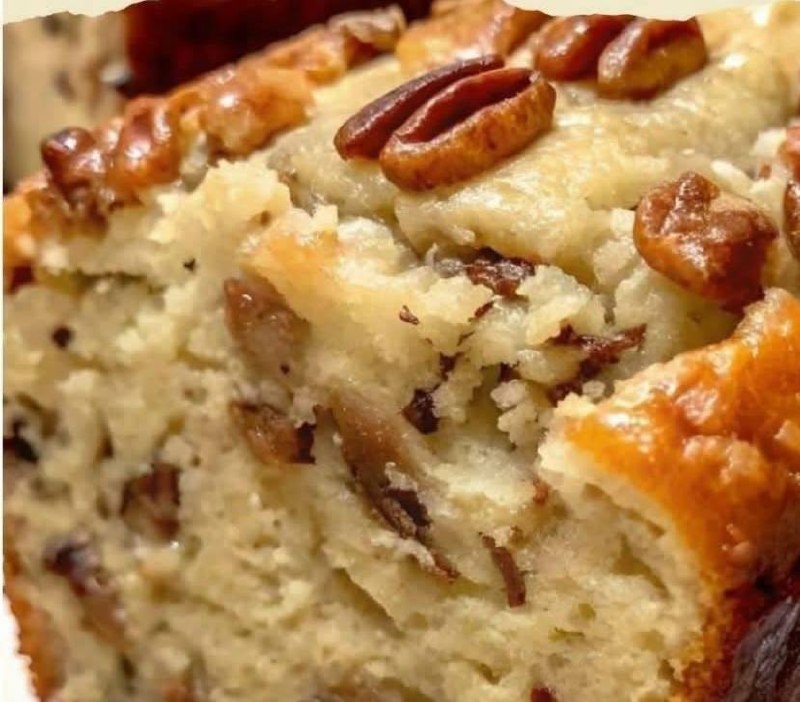
- Pour the batter into the prepared loaf pan and spread evenly. Sprinkle the remaining 1/2 cup of chopped pecans over the top of the batter.
- Bake for 50-60 minutes, or until a wooden skewer or toothpick inserted into the center comes out clean or with a few moist crumbs. If the top starts to brown too quickly, you can loosely tent it with aluminum foil.
- Remove the loaf from the oven and let it cool in the pan for 10-15 minutes before carefully transferring it to a wire rack to cool completely.
- Prepare the Glaze: In a small bowl, whisk together the powdered sugar, milk, and vanilla extract (if using) until smooth and pourable. If too thick, add more milk a teaspoon at a time. If too thin, add more powdered sugar.
- Once the bread is completely cool, drizzle the glaze evenly over the top. Allow the glaze to set for about 15-20 minutes before slicing and serving.
Cooking Tips and Variations
To ensure your Sweet Alabama Pecan Bread turns out perfectly every time, here are some helpful tips. First, always use room temperature ingredients for the butter and eggs. This allows them to cream together more smoothly, resulting in a lighter and more uniform batter. When mixing, avoid overworking the batter once the flour is added. Overmixing can develop the gluten too much, leading to a tough, dry bread. Mix until just combined; a few small lumps are perfectly fine.
For enhanced pecan flavor, lightly toast your pecans before adding them to the batter. Spread the pecans on a baking sheet and toast in a preheated 350°F (175°C) oven for 5-7 minutes, or until fragrant. Let them cool completely before chopping and adding them to the batter. This simple step truly deepens their nutty profile. To prevent the pecans from sinking to the bottom of the loaf, toss them with a tablespoon of flour from your measured dry ingredients before folding them into the batter. The flour coating helps them suspend more evenly throughout the bread.
When checking for doneness, a toothpick or wooden skewer inserted into the center should come out clean or with only a few moist crumbs attached. If it comes out wet with raw batter, continue baking for a few more minutes. If your bread is browning too quickly on top before it’s cooked through, simply tent it loosely with aluminum foil for the remainder of the baking time.
For variations, consider adding a teaspoon of ground nutmeg or a half teaspoon of allspice along with the cinnamon for a warmer, more complex spice profile, especially during the fall months. You could also fold in a half cup of dried cranberries or golden raisins with the pecans for an extra burst of fruitiness and chew. For a decadent twist, stir in a half cup of mini chocolate chips along with the pecans. If you prefer a less sweet bread, you can omit the glaze entirely, or simply dust the cooled loaf with powdered sugar.
Storage and Reheating
Once your Sweet Alabama Pecan Bread has cooled completely and the glaze has set, it can be stored at room temperature for up to 3-4 days. To keep it fresh, wrap the loaf tightly in plastic wrap or aluminum foil, or store it in an airtight container. If your kitchen is particularly warm or humid, or if you plan to keep it longer, you can store it in the refrigerator for up to a week. Be aware that refrigeration can sometimes alter the texture slightly, making it a bit firmer.
For longer storage, this pecan bread freezes beautifully. Once completely cooled and glazed (if desired), wrap the entire loaf or individual slices tightly in plastic wrap, then an additional layer of aluminum foil. Place the wrapped bread in a freezer-safe bag or container. It will keep well in the freezer for up to 2-3 months. To thaw, simply remove from the freezer and let it come to room temperature on the counter, still wrapped, for several hours or overnight. Individual slices can be thawed more quickly in the microwave or toaster oven.
To reheat, if you desire a warm slice, you can gently warm individual slices in the microwave for 15-30 seconds, or in a toaster oven until just heated through. Be careful not to overheat, as this can dry out the bread. If reheating a whole loaf, you can warm it in a preheated oven at 300°F (150°C) for about 10-15 minutes, again, wrapped loosely in foil to prevent drying.
Frequently Asked Questions
Can I use different types of nuts in this recipe?
While this recipe celebrates pecans, you can certainly substitute them with other nuts like walnuts, almonds, or even a mix of your favorite nuts. The flavor profile will change, but the texture and basic structure of the quick bread will remain similar. Just be sure to chop them to a similar size as the pecans.
My bread is dry, what went wrong?
A dry quick bread is often a result of overmixing the batter or overbaking. When you overmix, you develop the gluten in the flour too much, leading to a tough and dry texture. Overbaking can also evaporate too much moisture. Ensure you mix only until the ingredients are just combined, and always check for doneness with a toothpick at the earlier end of the baking time range.
Do I have to use buttermilk?
Buttermilk is highly recommended as it reacts with the baking soda to create a tender crumb and helps activate the leavening agents. If you don’t have buttermilk on hand, you can easily make a substitute: simply pour 1 tablespoon of lemon juice or white vinegar into a liquid measuring cup, then fill the rest of the cup with regular milk (any fat percentage) until it reaches the 1-cup line. Let it sit for 5 minutes until it slightly curdles, then use as directed.
How can I make sure the glaze isn’t too thin or too thick?
The key to a perfect glaze is adjusting the consistency gradually. Start with the minimum amount of liquid (2 tablespoons milk in this recipe) and mix well. If it’s too thick to drizzle, add more milk a teaspoon at a time, mixing thoroughly after each addition, until it reaches your desired consistency. If you accidentally add too much liquid and it becomes too thin, simply whisk in a bit more powdered sugar until it thickens up.